
Currencies play a major role in the global economy, influencing international trade, investment, and financial stability. The value of a currency is determined by factors such as economic strength, inflation rates, and government policies. Many investors and traders closely follow exchange rates to understand market trends and economic performance. When discussing which country has the highest currency, attention is often focused on nations with strong economies, stable financial systems, and high demand for their currencies in global markets. Understanding currency value helps investors evaluate purchasing power and international financial opportunities.
What is Currency Strength?
Understanding currency strength is fundamental for anyone involved in international trade, travel, or investment. When we talk about a currency being “strong” or “weak,” we’re referring to its value relative to other currencies in the global market. A strong currency means it can buy more of another currency, while a weak currency requires more units to purchase the same amount. For example, if one U.S. dollar could buy 3.5 Brazilian reals yesterday but now buys 4, the dollar has strengthened against the real.
The strength of a currency is influenced by several economic factors, including:
- Interest rates
- Inflation levels
- Political stability
- Economic performance
Countries with low inflation, high interest rates, and stable governments tend to have stronger currencies because investors and traders perceive them as safer bets. On the other hand, currencies from countries facing economic crises, high inflation, or political unrest often weaken as confidence erodes.
For those exploring global finance, platforms like Evest provide valuable insights into how these dynamics play out in real-world scenarios. Whether you’re a trader, a traveler, or simply curious about global economics, grasping these concepts can help you make informed decisions.
What Does It Mean When a Currency Is Strong or Weak?
A currency’s strength or weakness is determined by its exchange rate, which is the price at which one currency can be exchanged for another. If a currency strengthens, its exchange rate rises, meaning it takes fewer units of that currency to buy one unit of another. Conversely, a weakening currency requires more units to purchase the same amount of another currency.
For instance, if the Japanese yen appreciates against the U.S. dollar, it means the yen is stronger, and you’d need fewer yen to buy a dollar. This can be beneficial for Japanese importers, as their goods become cheaper for foreign buyers, but it can hurt exporters who rely on a weaker yen to make their products more competitive globally.
Weak currencies, however, can have their advantages:
- A weaker currency makes a country’s exports more affordable for foreign buyers, potentially boosting economic growth through increased demand for domestically produced goods.
- However, it can also lead to higher import costs, which may result in inflationary pressures.
What Makes a Currency Strong?
Several key factors contribute to a currency’s strength. Understanding these can help explain why certain currencies dominate global markets. Here are the primary drivers:
- Interest Rates: Higher interest rates attract foreign investors seeking better returns, increasing demand for the currency and strengthening it.
- Economic Stability: Countries with stable economies, low unemployment, and consistent growth tend to have stronger currencies.
- Inflation Rates: Low inflation is a hallmark of strong currencies, as it preserves purchasing power and attracts investors.
- Political Stability: Governments with strong institutions and low corruption risk are more likely to maintain currency strength.
- Trade Balance: A country with a trade surplus, meaning it exports more than it imports, often sees a stronger currency due to high demand for its goods and services.
- Reserves and Central Bank Policies: Countries with substantial foreign reserves and proactive central banks can influence their currency’s strength through interventions.
For a deeper dive into how these factors interact, Evest offers comprehensive analyses tailored to both beginners and seasoned investors.
Which Country Has the Highest Currency?
When discussing which country has the highest currency, we’re typically referring to currencies with the highest exchange rates relative to the U.S. dollar or other major currencies. These currencies are often pegged to the dollar or backed by strong economic fundamentals. Below are some of the most valuable currencies in the world, ranked by their strength and global recognition.
Kuwaiti Dinar (KWD)
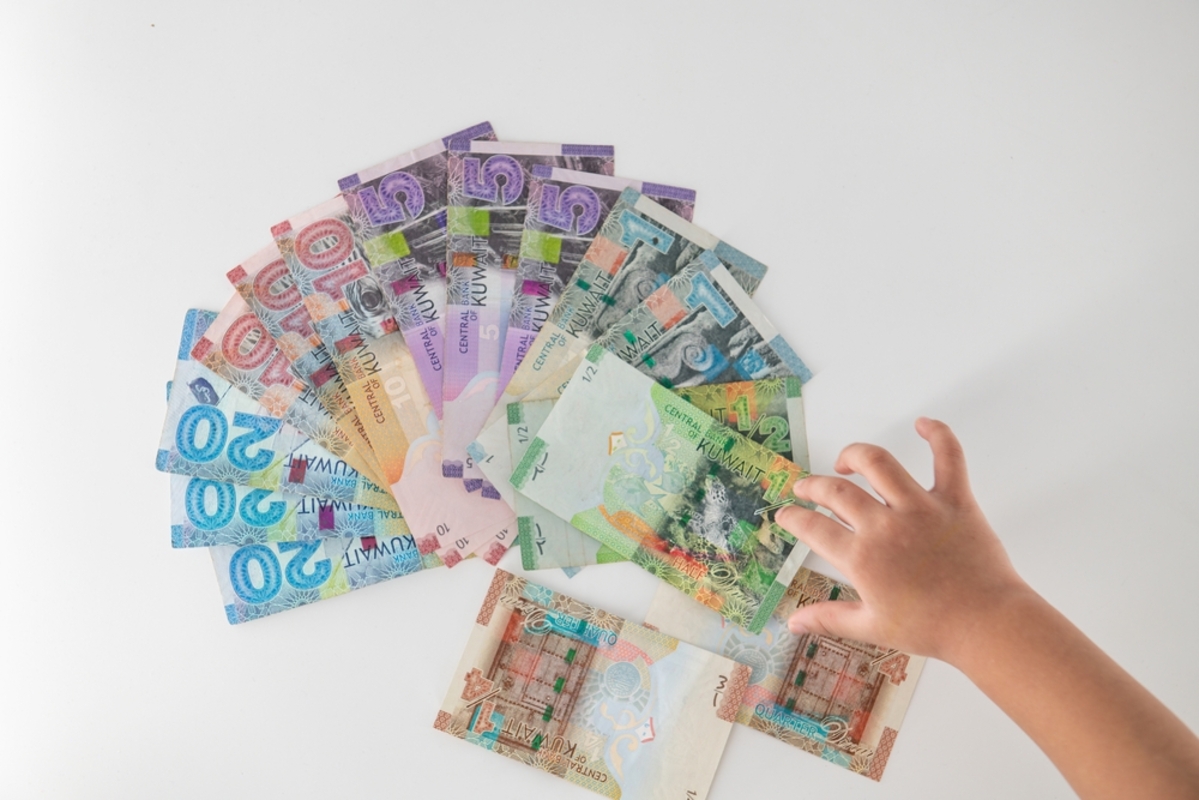
The Kuwaiti dinar is widely regarded as the most valuable currency in the world. As of recent data, one Kuwaiti dinar is equivalent to approximately 3.25 U.S. dollars, making it the strongest world currency in terms of purchasing power and exchange rate. This strength is largely due to Kuwait’s vast oil reserves, which have fueled economic stability and high foreign reserves.
Kuwait’s economy is heavily reliant on oil exports, and its central bank maintains strict monetary policies to preserve the dinar’s value. The Kuwaiti dinar value is further bolstered by:
- Low inflation rates that attract foreign investment.
- Political stability that builds confidence in the currency.
For those interested in global finance, understanding the dynamics behind the Kuwaiti dinar can provide insights into how commodity wealth influences currency strength. Platforms like Evest often highlight such economic relationships in their analyses.
Why Is the Kuwaiti Dinar So Strong?
Several factors contribute to the Kuwaiti dinar’s dominance as the top currency in the world:
- Crude Oil Wealth: Kuwait’s massive oil reserves provide a steady source of foreign exchange, allowing the central bank to maintain a strong currency.
- Fixed Exchange Rate: The dinar is pegged to a basket of currencies, including the U.S. dollar, which limits volatility.
- Low Inflation: Kuwait consistently maintains low inflation rates, preserving the dinar’s purchasing power.
- High Foreign Reserves: The country holds substantial foreign reserves, which act as a buffer against economic shocks.
- Stable Political Environment: Political stability in Kuwait reduces risks that could weaken the currency.
The combination of these factors makes the Kuwaiti dinar a benchmark for the most powerful currencies globally.
Bahraini Dinar (BHD)
The Bahraini dinar is another Middle Eastern currency that ranks among the strongest in the world. Historically, one Bahraini dinar was equivalent to about 2.65 U.S. dollars, though its value has fluctuated slightly over time. Bahrain’s economy, like Kuwait’s, is heavily dependent on oil, but it has also diversified into finance and tourism, which adds to the dinar’s stability.
Key points about the Bahraini dinar:
- Bahrain’s central bank plays a crucial role in maintaining the dinar’s strength by managing foreign reserves and implementing prudent monetary policies.
- The country’s strategic location in the Persian Gulf enhances its economic ties with global markets, contributing to the dinar’s resilience.
For investors looking to understand how geopolitical factors influence currency strength, the Bahraini dinar serves as a compelling case study. Resources like Evest platform often explore such connections in detail.
Omani Rial (OMR)
The Omani rial is another Gulf currency that holds significant value, with one rial equivalent to roughly 2.6 U.S. dollars. Oman’s economy, while also oil-dependent, has undergone diversification efforts to reduce reliance on hydrocarbons. This strategic shift has helped stabilize the rial and attract foreign investment.
Oman’s central bank maintains a fixed exchange rate system, which limits volatility and supports the rial’s strength. Additionally, Oman’s role as a regional hub for trade and logistics contributes to the demand for its currency.
Why Is the Omani Rial So Strong?
The Omani rial’s strength can be attributed to:
- Oil Revenue: Despite diversification efforts, oil remains a cornerstone of Oman’s economy, providing steady foreign exchange earnings.
- Fixed Exchange Rate: The rial is pegged to a basket of currencies, reducing speculative risks.
- Diversification: Investments in tourism, manufacturing, and logistics have reduced economic vulnerability.
- Stable Monetary Policy: Oman’s central bank adopts conservative policies to maintain currency stability.
- Geopolitical Stability: Oman’s neutral stance in regional politics enhances investor confidence.
The Omani rial’s performance is a testament to how balanced economic strategies can reinforce currency strength, even in resource-dependent economies.
Jordanian Dinar (JOD)
The Jordanian dinar is the highest-valued currency in the Middle East and North Africa (MENA) region, with one dinar equivalent to approximately 1.41 U.S. dollars. Jordan’s economy faces unique challenges, including:
- Limited natural resources.
- A high reliance on imports.
Despite these hurdles, the dinar remains strong due to Jordan’s strategic alliances and economic reforms. Jordan’s central bank has implemented policies to control inflation and manage foreign reserves, which have helped stabilize the dinar. Additionally, Jordan’s role as a transit hub for regional trade contributes to the demand for its currency.
For those exploring how smaller economies maintain currency strength, the Jordanian dinar offers valuable lessons in resilience and adaptability.
British Pound (GBP)
The British pound is one of the most traded currencies in the world and holds a prominent position in global finance. While it may not be the highest-valued currency, its strength is rooted in:
- The United Kingdom’s historical economic influence.
- Robust financial markets.
- Political stability.
The pound’s value is influenced by factors such as Brexit negotiations, interest rate decisions by the Bank of England, and the overall health of the UK economy. Despite occasional fluctuations, the GBP remains a key player in international trade and investment.
Is the British Pound the Strongest Currency?
While the British pound is a major global currency, it is not the strongest world currency in terms of exchange rate. Currencies like the Kuwaiti dinar and Bahraini dinar hold higher values relative to the U.S. dollar. However, the pound’s strength lies in its liquidity and widespread use in global transactions.
In What Country Is GBP Worth the Most?
The British pound’s value varies significantly depending on the country, but it tends to be strongest in regions where demand for sterling is high due to historical trade ties, financial services, or political alliances. Here are some key observations:
- Gibraltar: As a British Overseas Territory, Gibraltar uses the GBP, and its proximity to Spain and North Africa creates unique economic dynamics. The pound’s value here is often slightly higher than in the UK due to Gibraltar’s status as a tax haven and financial hub.
- Jersey and Guernsey: These Channel Islands also use the GBP and maintain strong economic ties with the UK. Their currencies are pegged to sterling, ensuring stability and often a premium in exchange rates.
- Hong Kong: While Hong Kong uses the Hong Kong dollar (HKD), its financial markets are deeply integrated with London, making the GBP highly liquid and often valued at a premium in trading Currency pairs like GBP/HKD.
- Singapore and Switzerland: In these financial powerhouses, the GBP is widely traded, and its value can spike during periods of political or economic uncertainty in the UK, reflecting its role as a safe-haven currency.
For travelers or investors, understanding these nuances can be crucial. For instance, exchanging GBP in Gibraltar might yield a slightly better rate than in London, depending on market conditions. Platforms like Evest often provide real-time insights into such opportunities.
Gibraltar Pound (GIP)
The Gibraltar pound is a unique case because it is pegged to the British pound at a fixed exchange rate of 1 GBP = 1 GIP. However, due to Gibraltar’s status as a British Overseas Territory with its own currency, the GIP can sometimes trade at a slight premium or discount to the GBP in certain markets. This discrepancy arises from Gibraltar’s economic policies, such as its low corporate tax rates and status as a financial center, which attract foreign investment and capital flows.
The Gibraltar Financial Services Commission regulates the territory’s financial sector, ensuring transparency and stability. This regulatory environment, combined with Gibraltar’s strategic location, makes the GIP a currency of interest for those exploring niche financial opportunities.
Why Is the Gibraltar Pound Unique?
Several factors make the Gibraltar pound stand out in the global currency landscape:
- Fixed Peg to GBP: The 1:1 peg with the British pound ensures stability and predictability, making it a reliable currency for trade and investment within Gibraltar.
- Tax Incentives: Gibraltar’s low corporate tax rates and financial services sector attract international businesses, increasing demand for the GIP.
- Strategic Location: Positioned at the southern tip of Europe, Gibraltar serves as a gateway between Europe, Africa, and the Middle East, enhancing the GIP’s relevance in regional trade.
- Legal and Regulatory Framework: Gibraltar’s robust legal system and financial regulations provide confidence to investors, reinforcing the GIP’s strength.
- Tourism and Gaming: The territory’s thriving tourism and online gaming industries contribute to economic diversity, reducing reliance on a single sector and stabilizing the GIP.
For those interested in micro-economies and currency pegs, the Gibraltar pound offers a fascinating case study in how small, strategically positioned territories can maintain currency strength through innovation and policy.
Cayman Islands Dollar (KYD)
The Cayman Islands dollar is another currency pegged to the U.S. dollar at a fixed rate of 1 USD = 1 KYD. While it may not be the highest-valued currency in the world, the KYD holds significant importance due to the Cayman Islands’ status as a global financial hub. The territory is renowned for its offshore banking and investment funds, which attract substantial capital flows and contribute to the stability of the KYD.
The Cayman Islands Monetary Authority regulates the financial sector, ensuring compliance with international standards and maintaining investor confidence. This regulatory environment, combined with the territory’s reputation for financial secrecy and tax efficiency, makes the KYD a currency of interest for high-net-worth individuals and institutional investors.
Key Factors Influencing the Cayman Islands Dollar:
- Fixed Peg to USD: The 1:1 peg with the U.S. dollar ensures that the KYD remains stable and predictable, which is critical for a financial center.
- Offshore Financial Services: The Cayman Islands is home to a significant portion of the world’s hedge funds and private equity firms, driving demand for the KYD.
- Low Taxation: The territory’s lack of direct taxation on corporate income and capital gains makes it an attractive destination for global investors.
- Strong Legal Framework: The Cayman Islands offers a well-established legal system that protects investors and enforces contracts, enhancing confidence in the KYD.
- Tourism and Real Estate: While not as dominant as financial services, tourism and luxury real estate also contribute to the economy, providing additional stability to the KYD.
The Cayman Islands dollar’s strength lies in its ability to serve as a stable medium of exchange in a highly specialized economic environment. For those exploring global finance, the KYD exemplifies how a small jurisdiction can leverage its unique advantages to maintain a strong currency.
Swiss Franc (CHF)
The Swiss franc is one of the world’s most stable and strongest currencies, often serving as a safe-haven asset during times of global economic uncertainty. Switzerland’s reputation for political neutrality, economic stability, and a strong financial sector contributes to the CHF’s resilience. The Swiss National Bank (SNB) plays a crucial role in maintaining the franc’s strength through careful monetary policy and foreign exchange interventions.
The CHF is widely used in international trade and finance, particularly in Europe, where it is often paired with the euro (EUR/CHF). Its strength is further reinforced by:
- Switzerland’s high standard of living.
- Low inflation.
- Robust banking system.
During periods of crisis, such as the 2008 financial crisis or the COVID-19 pandemic, the Swiss franc tends to appreciate as investors flock to its safety.
Why Is the Swiss Franc So Strong?
Several factors contribute to the Swiss franc’s status as one of the strongest currencies in the world:
- Safe-Haven Status: Investors turn to the CHF during global crises, driving up its demand and value.
- Political Neutrality: Switzerland’s long-standing neutrality enhances stability and reduces geopolitical risks.
- Strong Banking Sector: Swiss banks are among the most trusted in the world, attracting global capital.
- Low Inflation: The SNB maintains tight control over inflation, preserving the franc’s purchasing power.
- High Foreign Reserves: Switzerland holds substantial foreign exchange reserves, allowing the SNB to intervene in markets as needed.
- Stable Economy: Switzerland’s diversified economy, with strong sectors in pharmaceuticals, machinery, and finance, reduces vulnerability to economic shocks.
The Swiss franc’s performance is a testament to how a combination of political stability, economic strength, and monetary policy can create one of the world’s most resilient currencies. Traders looking to follow CHF movements can rely on platforms like Evest for real-time data and analysis.
Euro (EUR)
The euro is the second most widely held reserve currency in the world after the U.S. dollar and is used by 20 of the 27 European Union member states. As the currency of the Eurozone, the euro’s strength is tied to the economic performance of the region’s largest economies, such as Germany, France, and Italy. The European Central Bank (ECB) manages monetary policy for the euro, aiming to maintain price stability and support economic growth.
The euro’s value is influenced by a variety of factors, including interest rate decisions, economic data from Eurozone countries, and geopolitical events. While the euro may not be the highest-valued currency, its liquidity and widespread use make it a cornerstone of global finance. For example, the EUR/USD exchange rate is one of the most traded currency pairs in the world, reflecting the euro’s importance in international markets.
Factors Influencing the Euro’s Strength:
- Economic Performance of the Eurozone: Strong GDP growth, low unemployment, and stable inflation in key Eurozone economies support the euro’s value.
- Monetary Policy by the ECB: Interest rate decisions and quantitative easing programs directly impact the euro’s strength.
- Political Stability: The Eurozone’s ability to navigate political challenges, such as Brexit or the migration crisis, affects investor confidence in the euro.
- Trade Balances: A strong trade surplus in the Eurozone can increase demand for the euro, while a deficit may weaken it.
- Safe-Haven Status: During periods of global uncertainty, the euro can gain strength as investors seek stability in European markets.
- Energy and Commodity Prices: Fluctuations in oil prices, which are critical for Eurozone economies, can influence the euro’s exchange rate.
The euro’s strength lies in its role as a global currency, its deep integration into European economies, and its ability to adapt to changing economic conditions. For traders and investors, understanding these dynamics is essential for navigating the complexities of the forex market. Evest provides dedicated resources and tools to help traders stay on top of euro movements and Eurozone developments.
United States Dollar (USD)
The U.S. dollar is the world’s most dominant currency, serving as the primary reserve currency for central banks and the medium of exchange in global trade. As the backbone of the global financial system, the dollar’s strength is rooted in the size and stability of the U.S. economy, the depth of its financial markets, and the trust placed in it by governments and institutions worldwide. The Federal Reserve (Fed) manages monetary policy for the dollar, aiming to maintain price stability, control inflation, and support sustainable economic growth.
The dollar’s value is influenced by a variety of factors, including interest rate decisions, employment data, GDP growth, and geopolitical developments. While other currencies may hold higher exchange rates, the USD’s unmatched liquidity and universal acceptance make it the cornerstone of international trade, commodity pricing, and foreign exchange reserves. For example, the USD/EUR and USD/JPY pairs are among the most traded currency pairs in the world, reflecting the dollar’s central role in global markets.
Factors Influencing the U.S. Dollar’s Strength:
- Federal Reserve Policy: Interest rate decisions and quantitative easing or tightening programs directly impact the dollar’s value in global markets.
- Economic Performance: Strong GDP growth, low unemployment, and stable inflation reinforce confidence in the dollar and attract foreign investment.
- Global Reserve Currency Status: Central banks worldwide hold the USD as their primary reserve currency, creating consistent and sustained demand.
- Geopolitical Influence: The United States’ political and military standing enhances global confidence in the dollar, particularly during periods of uncertainty.
- Commodity Pricing: Major commodities such as oil and gold are priced in U.S. dollars, ensuring constant global demand regardless of economic conditions.
- Trade and Capital Flows: The volume of U.S. imports, exports, and foreign direct investment creates substantial demand for the dollar across all major markets.
FAQs
What is the weakest currency in the world?
The weakest currency in the world is usually determined by its low exchange value compared to major global currencies like the US dollar. Currencies from countries facing high inflation, economic instability, or political crises often lose value significantly. Exchange rates can change over time depending on economic conditions and government policies.
What is the most traded currency in the world?
The US dollar is the most traded currency in the world and is involved in the majority of global forex transactions. It is widely used in international trade, investments, and as a global reserve currency. Major currency pairs such as EUR/USD and USD/JPY are among the most actively traded in financial markets.
How is foreign currency priced?
Foreign currency prices are determined by supply and demand in the global foreign exchange market. Factors such as interest rates, inflation, economic growth, and political stability influence exchange rates. Central bank policies and global market sentiment also play a major role in currency valuation.
What is the most stable global currency?
Currencies such as the Swiss franc and the US dollar are considered among the most stable global currencies. Their stability comes from strong economies, reliable financial systems, and investor confidence during periods of market uncertainty. Stable currencies are often used as safe-haven assets during economic crises.
What is the strongest currency pair?
Major currency pairs like EUR/USD, GBP/USD, and USD/JPY are considered the strongest and most actively traded pairs in the forex market. These pairs have high liquidity, tighter spreads, and significant daily trading volume. Traders prefer them because they offer better market efficiency and trading opportunities.
How do I know which currency is stronger?
A stronger currency usually has higher purchasing power and greater value compared to other currencies. Economic indicators such as GDP growth, low inflation, interest rates, and political stability help determine currency strength. Traders also compare exchange rate performance and market demand to evaluate which currency is stronger.