
Gold Price Forecasts: Latest Trends & Market Outlook

Gold has been a cornerstone of wealth and financial security for centuries, serving as both a store of value and a hedge against economic uncertainty. Today, investors, traders, and institutions closely monitor gold price forecasts to make informed decisions about buying, selling, or holding this precious metal. With markets becoming increasingly interconnected and influenced by a myriad of factors, understanding the latest trends and future projections is crucial.

The purpose of this article is to provide a comprehensive overview of gold price forecasts, covering key factors that influence gold prices, trends predicted for 2025, and strategies for both short-term traders and long-term investors. 

What is Gold and What Affects Its Price?

Gold is a precious metal that has long been regarded as a symbol of wealth and security. Unlike fiat currencies, it cannot be printed or artificially manipulated, making it a finite and tangible asset. Its price is determined by a combination of factors that reflect global economic conditions, investor sentiment, and supply-demand dynamics.

Primary factors influencing gold prices include:

  1. Global Economic Conditions and Inflation: Gold is often seen as a hedge against inflation. When currencies lose purchasing power, investors turn to gold, driving its price higher. Economic instability, recession fears, or fiscal crises tend to increase demand for gold as a safe-haven asset.
  2. Interest Rates and Currency Fluctuations: Rising interest rates generally increase the opportunity cost of holding gold, leading to lower demand. Conversely, when interest rates are low or negative, gold price forecasts often show an upward trajectory. Additionally, fluctuations in major currencies, particularly the U.S. dollar, directly affect gold prices, as it is primarily traded in USD.
  3. Geopolitical Tensions and Market Uncertainty: Conflicts, political instability, or tensions between nations often lead investors to flock to gold. Events like wars, sanctions, or international disputes create uncertainty, making gold a preferred choice for capital preservation.
  4. Supply and Demand Dynamics: The production of gold from mines, recycling of old jewelry, and industrial demand all affect prices. When demand outpaces supply, prices rise; conversely, an oversupply can suppress gold price expectations.

Understanding these fundamentals is crucial for interpreting gold price predictions and forming strategies to capitalize on market movements.

Factors Influencing Gold Prices

A complex interplay of economic, financial, and geopolitical factors influences the movement of gold prices. Here’s a deeper look:

  • Global Economic Conditions and Inflation: Persistent inflation reduces the real value of cash, making gold a preferred store of value. Historical data suggests that during periods of high inflation, gold price forecasts tend to indicate bullish trends.
  • Interest Rates and Currency Fluctuations: Low-interest rates reduce the yield on bonds and savings accounts, pushing investors toward gold. Fluctuations in the U.S. dollar also have a significant impact. A weaker USD generally results in higher gold prices, while a stronger USD can depress them.
  • Geopolitical Tensions and Market Uncertainty: Global events like trade wars, military conflicts, and political instability increase the appeal of gold as a hedge. Investors often respond by buying gold, affecting both spot prices and futures contracts.
  • Supply and Demand Dynamics: Gold mining output, the sale of gold reserves by central banks, and consumer demand for jewelry and technology all play critical roles. Seasonal demand, particularly in countries like India and China, can also impact gold market forecasts.

By monitoring these factors, traders can align their decisions with broader market trends and refine their gold price predictions for both short-term trading and long-term investment.

Gold Market Forecast 

Looking ahead to 2026, analysts and financial institutions provide gold market forecasts based on a combination of historical trends, current economic indicators, and geopolitical events.

  • Predicted Trends: Experts expect gold to continue its role as a safe-haven asset, with price fluctuations linked closely to inflation, interest rate movements, and geopolitical stability. Short-term volatility may arise from unexpected economic announcements, while long-term trends suggest steady appreciation in response to global uncertainty.
  • Short-Term vs Long-Term Forecasts: Short-term gold price predictions are often influenced by daily market sentiment, currency movements, and trading volume. Long-term forecasts, however, focus on macroeconomic conditions, monetary policy trends, and structural changes in supply and demand.
  • Key Signals to Watch: Traders should observe central bank announcements, inflation reports, bond yields, and significant geopolitical developments. Evest Technical analysis tools like gold charts and USD correlation graphs also provide critical insight into potential price movements.

Overall, the 2025 outlook for gold remains cautiously optimistic, with potential for both strategic investment gains and hedging benefits.

Gold Price Forecasts Expectations

Setting realistic gold price expectations requires a blend of historical analysis, current market trends, and forward-looking indicators.

  • Using Historical Data: Past price movements provide context for future predictions. Patterns, cyclical trends, and historical highs and lows inform gold price forecasts.
  • Analytical Tools: Investors rely on gold charts, gold graphs, and market signals to interpret price action. Technical indicators like moving averages, RSI, and MACD help gauge market sentiment.
  • Impact of Financial News: Global economic updates, central bank reports, and trade announcements influence expectations. Markets react swiftly to news, affecting both spot and futures prices.

By incorporating these tools, investors can develop informed gold price predictions that guide their trading and long-term investment strategies.

Gold Investment Forecast

A well-researched gold investment forecast considers opportunities for both traders and long-term investors:

  • Opportunities: Gold offers portfolio diversification, risk mitigation, and potential capital appreciation. It can be invested in physical form, ETFs, futures contracts, or gold mining stocks.
  • Risks: Despite its safe-haven status, gold is subject to market volatility, geopolitical events, and currency fluctuations. Investors should be prepared for potential short-term losses.
  • Comparisons: When evaluating gold, investors often compare it with other commodities, equities, or bonds. Gold typically performs well during economic uncertainty, making it a defensive asset in turbulent markets.

A thoughtful approach to gold investment forecasts allows investors to balance risk and reward effectively.

How to Use Gold Price Predictions

Using gold rate forecasts effectively requires a combination of strategy, timing, and risk management:

  • Buying and Selling Decisions: Investors can plan entry and exit points using technical analysis and market indicators. Gold price predictions inform whether to buy during dips or sell during rallies.
  • Trading Strategies: Incorporating forecasts into trading strategies can enhance decision-making. Trend-following, swing trading, and hedging strategies benefit from accurate projections.
  • Investment Planning: Long-term investors use gold price expectations to structure their portfolios, ensuring allocation aligns with risk tolerance and market outlook.

By leveraging forecasts, traders and investors can make informed decisions, maximize returns, and minimize exposure to adverse market movements.

Conclusion

Gold price forecasts play a critical role in shaping investment strategies for traders and long-term investors alike. By understanding the factors that influence gold prices, monitoring market signals, and using historical data for reference, investors can make informed decisions and better manage risk.

FAQs

What are gold price forecasts, and why are they important?

Gold price forecasts are predictions of future gold price movements based on historical data, economic indicators, and market trends. They help investors make informed buying and selling decisions and manage risk.

How do experts predict future gold prices?

Experts use a combination of technical analysis, macroeconomic indicators, historical trends, and geopolitical developments to generate gold price predictions.

What factors most influence gold price predictions?

Inflation, interest rates, currency strength, geopolitical tensions, and supply-demand dynamics are the primary factors influencing gold market forecasts.

How accurate are gold market forecasts?

While forecasts provide valuable insights, they are not guarantees. Gold prices can be affected by sudden economic events or geopolitical crises, so forecasts should be used alongside risk management strategies.

Your Guide to the Vanguard 500 Index Fund ETF

The Vanguard 500 Index Fund ETF has become one of the most recognized investment vehicles in the financial world. This exchange-traded fund (ETF) is designed to replicate the performance of the S&P 500, a benchmark index representing 500 of the largest U.S. publicly traded companies. For investors seeking exposure to the U.S. equity market, understanding the intricacies of the Vanguard 500 Index Fund ETF is crucial.

Understanding the Vanguard S&P 500 ETF

The Vanguard S&P 500 ETF is designed to track the performance of the S&P 500 index. The S&P 500 is widely regarded as a benchmark for the U.S. stock market, representing approximately 80% of the total market capitalization of U.S. equities. This ETF provides investors with a simple way to gain exposure to the broader U.S. economy without having to purchase individual stocks.

Key features of the Vanguard S&P 500 Index ETF include:

  • Diversification: By investing in 500 companies, the ETF reduces the risk associated with individual stock fluctuations.
  • Cost-effectiveness: Vanguard ETFs are known for low expense ratios, making them attractive to both retail and institutional investors.
  • Liquidity: The ETF can be traded on major exchanges, allowing investors to buy and sell shares throughout the trading day.
  • Performance Tracking: The fund closely mirrors the performance of the S&P 500, providing returns aligned with the broader U.S. stock market trading.

Investors can monitor the ETF S&P 500 Vanguard performance through charts and graphs, comparing it with other indices or benchmarks. Understanding the structure and objectives of the ETF is the first step in integrating it into a well-rounded investment strategy.

Vanguard 500 Index Fund (VOO) Details

The Vanguard 500 Index Fund, commonly referred to as VOO stock, is one of the flagship ETFs offered by Vanguard. Launched to provide investors with efficient exposure to the S&P 500, VOO has steadily gained popularity due to its low fees, transparency, and reliability.

Key Details Include:

  • Expense Ratio: VOO has one of the lowest expense ratios among S&P 500 ETFs, typically under 0.05%, allowing investors to keep more of their returns.
  • Dividend Yield: Investors receive dividends from the underlying stocks, which are distributed periodically, providing a consistent income stream.
  • Market Capitalization Weighting: The ETF weights its holdings based on market capitalization, giving larger companies like Apple, Microsoft, and Amazon a more significant influence on performance.
  • Accessibility: VOO is easily accessible through major brokers and trading platforms, making it simple for both beginners and experienced investors to trade.

Investing in Vanguard S&P 500 through VOO ensures exposure to a wide array of industries, including technology, healthcare, finance, and consumer goods. The fund’s design allows investors to benefit from long-term market growth while mitigating the risk of individual stock volatility.

How To Invest in the Vanguard 500 Index Fund ETF?

Investing in the Vanguard 500 Index Fund ETF is straightforward, but it requires understanding several steps:

  1. Select a Brokerage Account: Choose a brokerage platform that offers access to ETFs. Look for low trading fees, easy-to-use interfaces, and research tools.
  2. Fund Your Account: Deposit sufficient funds into your brokerage account to purchase VOO shares. Vanguard ETFs can be bought in whole or fractional shares, depending on the platform.
  3. Place an Order: Investors can use market orders, limit orders, or stop orders to buy VOO. Market orders execute immediately at the current price, while limit orders allow investors to set a preferred purchase price.
  4. Monitor Your Investment: Track the VOO stock performance through charts, news, and updates. Regular monitoring ensures alignment with investment goals and risk tolerance.
  5. Reinvest Dividends: Investors can choose to reinvest dividends automatically to take advantage of compounding returns.

By following these steps, investors can gain exposure to the Vanguard S&P 500 ETF efficiently while minimizing costs and administrative hurdles.

Why Vanguard ETFs Remain Popular with UK Investors in 2025?

Vanguard ETFs, including the Vanguard 500 Index Fund ETF, continue to attract UK investors due to several key factors:

  • Low Costs: Vanguard’s commitment to minimal expense ratios appeals to investors seeking maximum returns.
  • Diversification: ETFs provide exposure to hundreds of companies, reducing reliance on individual stock performance.
  • Regulatory Trust: Vanguard is globally recognized, with strong compliance standards that reassure UK investors.
  • Tax Efficiency: ETFs often generate lower capital gains distributions than mutual funds, providing potential tax advantages.
  • Ease of Access: UK investors can purchase Vanguard ETFs through multiple trading platforms, making investment convenient and flexible.

The Vanguard S&P 500 ETF is beautiful because it provides international exposure to the U.S. market, historically one of the strongest-performing equity markets.

Top Vanguard ETFs for Broad Market Exposure

Beyond VOO, Vanguard offers a range of ETFs that provide broad market exposure:

  • Vanguard Total Stock Market ETF (VTI): Covers the entire U.S. stock market, including small-cap and mid-cap stocks.
  • Vanguard FTSE All-World ETF (VEU): Offers international equity exposure across developed and emerging markets.
  • Vanguard Growth ETF (VUG): Focuses on high-growth U.S. companies with potential for long-term capital appreciation.

Investors looking to diversify beyond the S&P 500 can consider these options to balance their portfolios and reduce reliance on a single index.

Dividend & Income: Top Vanguard ETFs for Yield Seekers

For income-focused investors, several Vanguard ETFs offer attractive dividends:

  • Vanguard High Dividend Yield ETF (VYM): Focuses on U.S. companies with above-average dividend yields.
  • Vanguard Dividend Appreciation ETF (VIG): Invests in companies with a history of consistently increasing dividends.

These ETFs provide steady income streams, making them suitable for investors seeking golden dividends while still enjoying exposure to the broader market.

Example Vanguard ETF Portfolios by Risk Level

Example Vanguard ETF portfolios by risk level show how different combinations of funds can match various investment goals. They help illustrate general asset allocation approaches without specific financial advice.

Higher Risk – Chasing Returns

Aggressive investors may focus heavily on growth-oriented ETFs like VUG and VOO, aiming for high returns while accepting greater volatility.

Medium Risk – Balanced Approach

A balanced portfolio could combine VOO, VTI, and VIG, providing growth potential alongside moderate income and reduced volatility.

Lower Risk – Targeting Steady Growth

Conservative investors may prefer a mix of VOO, VIG, and bond ETFs, prioritizing steady growth and income with lower exposure to market swings.

Conclusion

The Vanguard 500 Index Fund ETF represents a cornerstone investment for both new and experienced investors seeking exposure to the U.S. equity market. Its low costs, diversification, and ease of access make it a powerful tool for building a balanced portfolio. Whether investors are focused on growth, income, or a combination, VOO and other Vanguard ETFs provide flexibility and efficiency.

By understanding Vanguard s&p 500 trading, monitoring VOO stock, and leveraging tools like the ETF S&P 500 Vanguard, investors can make informed decisions to achieve long-term financial goals. Vanguard ETFs continue to remain popular due to their transparency, reliability, and strong historical performance.

Faqs

How To Invest in the Vanguard S&P 500 ETF

Invest through a brokerage account, fund it, place market or limit orders, and monitor your investment regularly. Reinvest dividends for compounding growth.

What Vanguard ETF Tracks the S&P 500?

The Vanguard 500 Index Fund ETF (VOO) directly tracks the performance of the S&P 500.

Which Is Better, S&P 500 or VOO?

VOO provides direct, low-cost exposure to the S&P 500, making it an efficient vehicle to replicate index performance.

Is the Vanguard S&P 500 ETF Good for Diversification?

Yes, it offers diversified exposure to 500 U.S. companies across various sectors.

How Does the Vanguard S&P 500 ETF Compare to Other S&P 500 Index Funds?

VOO is known for its low expense ratio, high liquidity, and strong tracking of the S&P 500, making it a preferred choice among investors globally.

Trading account types

For anyone starting in forex trading, understanding trading account types is fundamental to building a successful trading journey. Choosing the correct account can significantly affect your trading experience, risk exposure, and potential profitability. Evest, a trusted online trading platform, offers a wide range of account options that cater to beginners, intermediate, and advanced traders.

A trading account type determines critical aspects such as leverage, spreads, minimum deposit requirements, and available instruments. 

What Are Trading Account Types?

A trading account type is the structure under which a trader accesses financial markets through a broker. It defines the rules, conditions, and features available for trading, such as spreads, leverage, commissions, and instruments.

In forex market trading, the account type is crucial because it directly impacts trading costs, execution speed, and risk management. Selecting the wrong account type can lead to unnecessary losses or limit the trader’s ability to execute strategies efficiently.

How Trading Accounts Work?

Trading accounts function as a bridge between the trader and the financial markets. Funds deposited into the account are used to open positions on currency pairs, commodities, indices, or other instruments. The account type determines the way orders are executed, the trading tools available, and the broker’s level of involvement in the transaction.

For example, some accounts offer fixed spreads, while others have variable spreads influenced by market conditions. Similarly, leverage levels vary between accounts, affecting potential profits and losses.

Differences Between Standard Trading Accounts vs Forex-Specific Accounts

While standard trading accounts may offer access to multiple financial instruments like stocks, commodities, and ETFs, forex-specific accounts are optimized for currency trading. Forex accounts typically offer:

  • Higher leverage options are suitable for forex markets.
  • Specialized order execution and trading platforms designed for forex.
  • Access to minor and exotic currency pairs.
  • Tailored spreads to reduce trading costs for high-volume currency trades.

Understanding these differences helps beginners choose an account that aligns with their trading goals and risk tolerance.

Forex Trading Account Types Explained

Forex trading account types are designed to suit different trading needs and experience levels. They provide users with options to access the market in ways that match their goals and trading style.
What Makes Forex Accounts Unique?

What Makes Forex Accounts Unique?

Forex accounts are specifically designed to trade currency pairs efficiently. Unlike standard trading accounts, they offer:

  • Flexible leverage: Forex accounts often provide higher leverage than stock trading accounts, allowing traders to control larger positions with a smaller capital outlay.
  • Narrow spreads: Forex trading typically has tighter spreads, which reduces trading costs.
  • Currency pair diversity: Access to major, minor, and exotic pairs, enabling diversified trading strategies.

Overview of Common Forex Account Structures

Most brokers, including Evest, offer several forex trading account types, such as:

  1. Standard Accounts – For experienced traders seeking competitive spreads and moderate leverage.
  2. Mini/Micro Accounts – Ideal for beginners or low-capital traders, allowing smaller trade sizes and lower risk exposure.
  3. Islamic Accounts – Swap-free accounts for traders observing Islamic finance principles.
  4. Demo Accounts – Risk-free accounts for beginners to practice strategies and get familiar with platforms.

Each type serves a distinct purpose, catering to different levels of experience, risk tolerance, and trading goals.

Standard Account

Features

Professional and active traders commonly use standard accounts. Features include:

  • Variable spreads or tight fixed spreads.
  • Leverage options range from 1:50 to 1:500.
  • Access to a broad range of currency pairs, commodities, and indices.
  • Professional-level trading platforms with advanced charting tools.

Ideal Users

These accounts are suitable for traders who have experience in forex, are comfortable with leverage, and aim for higher trading volumes.

Pros and Cons

Pros:

  • Competitive spreads and execution speeds.
  • Access to advanced analytical tools.
  • Greater potential for profit due to leverage.

Cons:

  • Higher risk due to leverage exposure.
  • Minimum deposit requirements may be higher than beginner accounts.

Minimum Deposit & Spread Levels

Evest’s standard accounts typically require a moderate initial deposit, with spreads that vary according to market conditions and account type. Traders benefit from better trading conditions as their volume and experience increase.

Islamic Forex Accounts

Swap-Free Structure

Islamic accounts, also known as swap-free accounts, comply with Sharia law by eliminating overnight interest charges on positions. This structure is ideal for long-term traders who wish to maintain positions without paying or earning interest.

Who Should Choose an Islamic Trading Account

Traders who practice Islamic finance or those seeking to hold positions longer without accumulating swap charges benefit from these accounts. Evest provides fully compliant swap-free accounts with access to standard online trading tools and platforms, making it easier for traders to participate ethically and efficiently.

Demo Accounts for Beginners

Importance of Demo Trading Before Opening a Real Forex Account

Demo accounts are essential for beginners to practice trading without financial risk. They allow users to:

  • Familiarize themselves with platform features.
  • Understand spreads, leverage, and order execution.
  • Test various forex trading account types before committing real funds.

How to Test Strategies

Demo accounts provide an ideal environment to develop, backtest, and refine trading strategies. Traders can simulate different market conditions and risk scenarios, ensuring their strategies are robust before going live.

Connecting With: Trade Forex Account Transition

Once confident, traders can smoothly transition from a demo account to a live trade forex account, applying lessons learned without unnecessary stress. Evest’s demo-to-live transition process is seamless, allowing users to migrate balances and experience with minimal friction.

How to Choose the Best Forex Account

Key Factors: Spreads, Leverage, Commission, Platform

Selecting the best forex account depends on several factors:

  • Spreads: Lower spreads reduce trading costs.
  • Leverage: Balance leverage with risk tolerance.
  • Commission: Account for transaction fees and commissions.
  • Platform: Ensure the platform offers intuitive charts, indicators, and execution speed.

Trading Style Consideration

The ideal account should align with your trading style—scalping, day trading, swing trading, or long-term investing.

Recommended Best Forex Account Options for New Traders

Beginners often benefit from demo accounts, mini/micro accounts, or swap-free accounts to learn trading basics safely while gradually increasing capital and experience.

Trading Account Types Comparison

Account Type Ideal For Minimum Deposit Leverage Spread Type Swap-Free
Standard Account Experienced Traders Moderate 1:50 – 1:500 Variable/Tight No
Mini/Micro Account Beginners Low 1:10 – 1:100 Variable Optional
Islamic Account Sharia-compliant Moderate 1:50 – 1:200 Variable/Tight Yes
Demo Account All Levels None Simulated Simulated N/A

This comparison helps traders select the account type that best suits their experience level and trading goals.


Final Tips for Selecting the Right Account Type

Choosing the correct trading account involves considering personal goals, experience level, and market preferences. Making an informed selection can help traders manage their activities more effectively and confidently.

Evaluating Your Capital

Assess your available funds and risk tolerance before choosing a trading account. Small capitals benefit from mini or demo accounts.

Your Experience Level

Beginners should prioritize demo accounts and micro accounts to learn without significant risk, while experienced traders may opt for standard accounts.

Your Trading Style: Scalping, Day Trading, Swing Trading

Scalpers require accounts with tight spreads and fast execution. Swing traders benefit from flexible leverage, while day traders may prioritize low commissions and high liquidity.

Conclusion

Understanding trading account types is crucial for a successful forex trading journey. Evest offers a range of accounts—standard, Islamic, demo, and micro—that cater to different experience levels and trading styles. Beginners benefit from demo trading accounts and micro accounts to learn risk management and platform navigation. Experienced traders gain advanced features, leverage, and diverse instruments in standard accounts. Selecting the correct account aligns trading strategies with risk tolerance and financial goals, creating a foundation for long-term success in forex trading.

FAQs

What are the most common forex trading account types available for beginners?

The most common accounts include demo accounts, micro/mini accounts, and swap-free Islamic accounts.

Which trading account type offers the lowest spreads?

Standard accounts typically offer the tightest spreads, especially for major currency pairs.

What is the difference between a standard account and a micro account?

A standard account allows larger trade sizes, higher leverage, and tighter spreads, whereas a micro account is ideal for beginners, with smaller trade sizes and lower risk.

Are Islamic trading accounts available in forex?

Yes, many brokers, including Evest, offer swap-free accounts to comply with Islamic finance principles.

What is the best forex account type for beginners?

Demo accounts or micro accounts are generally recommended for beginners to learn trading basics and build confidence before trading real money.

Start Trading Safely with Forex Demo Accounts

For anyone entering the world of forex trading, the concept of forex demo accounts is a critical starting point. Forex trading involves significant financial risk, and beginners often face steep learning curves as they try to navigate currency pairs, Leverage, and complex trading strategies. A forex trading demo account allows traders to practice without risking real money, providing a safe and effective learning environment.

How Demo Trading Differs from Live Trading?

Forex demo accounts mimic live trading environments but have some crucial differences that traders need to understand. In a demo account, traders use virtual money to execute trades. While the market conditions—prices, spreads, and volatility—are generally reflective of fundamental markets, there are key psychological and practical distinctions.

  1. No Financial Risk: The most apparent difference is the absence of real financial exposure. This eliminates fear and emotional stress, which are significant factors in live trading mistakes. Beginners often underestimate the psychological challenges in trading real money, where emotions like fear and greed influence decisions.
  2. Execution Speed: Some brokers simulate order execution in demo accounts, which may differ slightly from real-time market execution. For instance, slippage may not always be replicated, which can give beginners a slightly distorted view of real trading conditions.
  3. Psychological Experience: Trading with a demo account cannot fully replicate the emotional pressure associated with real trading. While one can practice strategy and decision-making, the adrenaline of potential losses or gains is absent.
  4. No Market Impact: Large trades in live accounts can influence market prices slightly, especially in less liquid instruments. In demo trading, all trades are executed without any market impact.
  5. Risk-Free Experimentation: Demo accounts allow traders to test extreme strategies without worrying about capital loss. This flexibility is beneficial when experimenting with different forex trading strategies, such as scalping, swing trading, or trend following.

Understanding these differences ensures traders use demo accounts effectively as a learning tool, bridging the gap between theoretical knowledge and real trading experience.

Making Forex Demo Accounts More Realistic

To maximize the value of forex demo accounts, traders should aim to simulate real trading as closely as possible. Evest’s demo accounts offer features that enhance realism and prepare traders for live markets.

  1. Using Realistic Account Balances: Set your demo account balance to mirror what you would realistically invest. This helps in understanding position sizing, Leverage, and risk management in forex trading more accurately.
  2. Applying Leverage Wisely: Demo accounts often allow traders to use maximum Leverage. It’s crucial to practice with realistic leverage ratios to understand both potential profits and risks.
  3. Trading on Real-Time Data: Ensure the demo account updates in real-time, reflecting current market spreads, price movements, and economic news impacts. Evest’s platform offers live data feeds, which help simulate authentic trading conditions.
  4. Tracking Emotions: Even though demo accounts use virtual money, treat it as real capital. Maintaining discipline in following stop-loss levels, risk management strategies, and trading plans helps in developing strong trading habits.
  5. Simulating Different Market Conditions: Actively monitor market volatility, news releases, and economic events while trading your demo account. This approach provides experience in handling sudden price swings and understanding market behavior.

By making a demo currency trading account more realistic, traders can develop skills and habits that directly translate into live trading confidence and competence.

Advantages of Starting Forex Trade with a Demo Account

There are numerous benefits to starting your trading journey with forex demo accounts:

  1. Risk-Free Learning: Beginners can understand trading basics, practice technical analysis, and execute demo account trading in forex without risking capital.
  2. Familiarity with Platforms: Demo accounts allow traders to explore Evest’s interface, charting tools, and order types. Familiarity with the trading platform improves efficiency when moving to real accounts.
  3. Testing Strategies: Traders can experiment with different forex trading strategies, including scalping, swing trading, or news-based approaches, and refine them before applying them in live markets.
  4. Confidence Building: Repeated practice in demo accounts develops confidence in decision-making, risk assessment, and trade execution.
  5. Understanding Market Mechanics: Demo accounts expose traders to spreads, slippage, margin requirements, and leverage effects, helping them learn practical aspects of forex trading that are often overlooked in theory.
  6. Safe Introduction to Volatility: Market fluctuations can be daunting. Using a forex trading demo account allows traders to experience volatility without the financial pressure, helping them develop patience and discipline.
  7. Evaluation of Performance: Traders can track their performance over time, identify strengths and weaknesses, and adjust strategies accordingly.

Starting with a demo trade account is a strategic step for anyone aiming for long-term success in forex trading.

How to Select the Right Broker for Creating a Demo Account?

Selecting the right broker is critical for a practical forex trading demo account experience. Key considerations include:

  1. Regulation and Trustworthiness: Choose a broker regulated by reputable financial authorities to ensure safety and reliability.
  2. Demo Account Features: Ensure the demo account includes realistic spreads, leverage options, and access to all platform features.
  3. Asset Availability: A good broker should allow trading across multiple currency pairs and instruments, providing a complete learning experience.
  4. Support and Resources: Check if the broker offers educational resources, tutorials, and customer support for demo users.
  5. Ease of Transition to Live Trading: Ensure the broker allows seamless transfer from demo to live accounts to avoid complications when you start real trading.

Evest’s demo trading accounts are designed with all these considerations, making it easier for beginners and intermediate traders to develop essential skills.

When Should You Transition from Forex Demo Accounts to a Real Account?

While forex demo accounts are invaluable for learning, transitioning to a live account is necessary to gain a whole trading experience. Indicators for readiness include:

  1. Consistent Profits: Demonstrating the ability to make consistent gains in a demo account over several months shows readiness for live trading.
  2. Understanding of Risk Management: Mastery of stop-loss placement, position sizing, and leverage management indicates preparation.
  3. Emotional Preparedness: If you can follow trading plans in a demo without impulsive decisions, you are better equipped to handle real market pressures.
  4. Familiarity with Platform: Comfort with all features of the trading platform ensures smooth execution during live trading.
  5. Testing Strategies: Once strategies have been validated in the demo environment, transitioning to a live account allows testing under real conditions with real financial stakes.

Demo Account Features

A forex trading demo account includes several features that mirror live trading environments:

  1. Real-Time Quotes: Access to live market prices ensures realistic trading conditions.
  2. Order Types: Execute market, limit, stop-loss, and take-profit orders.
  3. Leverage Options: Practice using Leverage safely to understand its effects on potential gains and losses.
  4. Analytical Tools: Charts, indicators, and trend analysis tools help refine trading strategies.
  5. Performance Tracking: Keep track of profits, losses, and trading metrics to evaluate skill development.
  6. Multiple Currency Pairs: Trade major, minor, and exotic currency pairs to diversify learning.

These features collectively make the best forex demo account a powerful educational resource for beginners and experienced traders alike.

What Can You Trade with a Demo Account?

With a demo digital currency trading account, traders can access a wide variety of instruments, including:

  1. Major Forex Pairs: USD/EUR, USD/JPY, USD/CHF, etc.
  2. Minor and Exotic Pairs: These pairs offer exposure to global currencies with varying liquidity.
  3. Indices and Commodities: Some demo accounts allow practice trading on global indices, gold, oil, and other commodities.
  4. Cryptocurrencies: For brokers offering crypto trading, demo accounts provide a safe environment to understand this volatile market.

This diversity allows traders to explore different markets, learn trading nuances, and test strategies comprehensively.

Skill Development Through Demo Trading

Demo trading provides a practical way to develop trading skills in a risk-free environment. It allows users to practice and gain experience while becoming more comfortable with market platforms and tools.

Technical Analysis

Demo accounts let traders practice chart reading, using indicators, and identifying trends without risking capital. Mastery of technical analysis is crucial for profitable trading.

Strategy Development and Backtesting

Traders can develop strategies, backtest them against historical data, and refine their approach to optimize performance.

Risk and Money Management

Practicing risk management techniques, such as calculating lot sizes and setting stop-loss levels, is critical in preparing for live markets.

Emotional Control

Even in a demo account, traders can simulate the discipline required for live trading by sticking to plans and avoiding impulsive decisions.

Conclusion

Forex demo accounts provide an essential learning platform for traders at all levels. They offer a risk-free environment to practice strategies, understand trading platforms, and develop critical skills like technical analysis, risk management, and emotional discipline.

Online trading platform by Evest deliver realistic market conditions, advanced tools, and supportive resources that bridge the gap between theory and real trading. Using a demo account effectively prepares traders for the challenges and opportunities of live forex trading, ensuring a smoother and more confident transition.

FAQs

How long do forex demo accounts last?

Most brokers, including Evest, offer demo accounts with unlimited access or predefined durations, often ranging from 30 days to 90 days. Some allow renewal at any time.

Can I renew my demo account?

Yes, demo accounts can typically be renewed or reactivated, allowing continued practice and skill development.

What is the difference between a demo account and a live trading account?

The key difference is financial risk. A demo account uses virtual funds for practice, whereas a live account involves real money, requiring strict risk management and emotional discipline.

What Is USD to CHF? Essential Basics for Traders & Investors

Understanding forex trading starts with knowing the major currency pairs and how their exchange rates operate. One such pair that draws attention among traders worldwide is the USD/CHF, representing the value of the US dollar against the Swiss franc. For traders, knowing what USD to CHF is is crucial, as this pair is widely used for hedging, speculation, and safe-haven investments.

The USD/CHF currency pair is highly liquid, offers consistent price movements, and provides a unique opportunity to analyze global economic dynamics. Platforms like Evest offer advanced tools, charts, and signals to help traders monitor USD CHF charts, track trends, and execute trades efficiently.

What Does USD CHF Mean?

USD/CHF refers to a commonly traded currency pair in the global foreign exchange market, representing the relationship between two major world currencies:

Definition of USD/CHF as a Forex Currency Pair

USD/CHF is a currency pair where the US dollar (USD) is the base currency and the Swiss franc (CHF) is the quote currency. The exchange rate represents how many Swiss francs are needed to purchase one US dollar. For example, if USD/CHF is 0.9250, it means 1 USD equals 0.9250 CHF.

Why the US Dollar and Swiss Franc Are Commonly Traded?

The US dollar is the most traded currency in the world due to its global acceptance, economic influence, and status as a reserve currency. The Swiss franc is considered a safe-haven currency due to Switzerland’s economic stability, low inflation, and strong banking system. The combination of these two currencies attracts traders who seek both liquidity and stability.

How Traders Interpret the Price of USD/CHF?

Traders use USD/CHF prices to gauge market sentiment. A rising USD/CHF rate indicates a stronger US dollar relative to the Swiss franc, while a declining rate shows franc strength. Understanding these movements, alongside economic and geopolitical factors, is essential for making informed trading decisions.

How Does USD/CHF Trading Work?

USD/CHF trading involves analyzing the price movement between two major currencies within the foreign exchange market.

Base Currency vs Quote Currency

In USD/CHF, the US dollar is the base currency and the Swiss franc is the quote currency. Buying USD/CHF means buying USD while selling CHF, and selling USD/CHF involves selling USD to buy CHF.

How to Read USD/CHF Price?

The price shows how much of the quote currency (CHF) is required to purchase one unit of the base currency (USD). Traders use this information to plan entries and exits in forex positions.

Liquidity and Volatility of the Pair

USD/CHF is moderately volatile compared to other major pairs, providing opportunities for both short-term traders and long-term investors. Its liquidity ensures tight spreads and efficient trade execution, which is crucial for effective risk management.

Factors That Influence the USD/CHF Exchange Rate

The USD/CHF exchange rate is shaped by a range of global and market-related factors that affect currency movements:

US Economic Data

Economic indicators like GDP, unemployment rates, and consumer spending affect the USD. Positive data strengthens the USD, whereas weaker data can lead to depreciation.

Swiss Economic Stability

Switzerland’s stable economy and prudent fiscal policies make the CHF a preferred safe-haven. Changes in Swiss economic conditions influence USD/CHF movements.

Safe-Haven Demand for the Swiss Franc

During global uncertainty, investors flock to CHF due to its reputation as a low-risk currency. This demand can strengthen CHF relative to USD, impacting the USD/CHF rate.

Interest Rates from the Federal Reserve & Swiss National Bank

Monetary policies, including interest rate adjustments, directly impact currency valuation. Higher US interest rates tend to strengthen the USD, while changes in Swiss rates affect the CHF demand.

How to Exchange USD to CHF? 

Exchanging USD to CHF involves converting one currency into another through recognized financial channels:

Where and How to Exchange the Currency?

USD can be exchanged for CHF via banks, forex brokers, or online trading platforms like Evest. Each method has its own costs, spreads, and execution speeds.

Costs, Spreads, and Conversion Fees

Traders should consider the cost of transactions, including spreads (the difference between buying and selling prices) and additional fees. Lower costs improve profitability in forex trading.

Online Tools to Check Live Conversion

Platforms like Evest offer live USD CHF charts and conversion tools, making it easier for traders to monitor rates and execute trades efficiently.

USD CHF Chart: How to Read It? 

A USD/CHF chart visually shows how the exchange rate moves over time in the financial markets. It helps users observe price changes and understand general market direction without focusing on detailed analysis.

Types of Charts

Line charts show overall trends, while candlestick charts provide detailed insights into price movements with open, high, low, and close data.

Price Movement Basics

Charts help traders identify bullish or bearish trends, detect volatility, and plan trade entries and exits.

Timeframes for Analysis

Traders analyze charts across different timeframes—short-term for scalping trading or day trading, long-term for swing or position trading—to align strategies with market behavior.

Understanding What Is USD to CHF Graph Is

Understanding a USD to CHF graph helps illustrate how the exchange rate between the two currencies changes over time.

Trend Analysis (Uptrend, Downtrend, Sideways)

The USD CHF graph helps identify prevailing trends. Uptrends indicate USD strength, downtrends indicate CHF strength, and sideways movements signal consolidation.

Support and Resistance

Support and resistance levels indicate price points where the market may reverse or stall, providing valuable signals for trading decisions.

What the Graph Reveals About Market Sentiment

Analyzing the graph shows trader behavior, investor confidence, and market expectations, helping traders anticipate potential price movements.

USD CHF Signals: Should You Use Them?

USD/CHF signals are tools used to highlight potential market movements based on general market activity. Traders often reference them to gain insight into possible trends without relying on detailed decision-making.

What are Trading Signals? 

USD CHF signals are alerts generated based on technical indicators or market analysis, suggesting potential trade opportunities.

Technical Indicators Commonly Used for USD/CHF

Indicators such as moving averages, RSI, MACD, and Bollinger Bands help traders identify trends, momentum, and potential reversals.

Pros & Cons of Following Forex Signals

Signals can guide inexperienced traders, but relying solely on them without understanding the market can be risky. Combining signals with personal analysis improves decision-making.

Best Trading Strategies for USD/CHF

Choosing suitable trading strategy for USD/CHF focuses on understanding how this currency pair behaves in different market conditions. Traders often look at overall trends and market dynamics to guide their approach.

Trend-Following Strategies

Following the prevailing trend helps traders capture profits from sustained movements in USD/CHF.

Breakout Trading

Traders look for key support or resistance levels to anticipate breakout moves and take advantage of sharp price changes.

Safe-Haven Reaction Strategies

During global uncertainty, CHF tends to strengthen. Traders may use this knowledge to hedge positions or exploit volatility.

Risk Management for USD/CHF Traders

Setting stop-loss orders, managing lot sizes, and monitoring exposure help mitigate potential losses in USD/CHF trading.

Is USD/CHF a Good Pair for Beginners?

USD/CHF is often considered by many traders as a commonly followed currency pair in the forex market. Its regular activity and market presence make it a familiar option for those starting to explore currency trading.

Why Do Some Traders Prefer It? 

Moderate volatility and high liquidity make USD/CHF attractive for beginners learning forex trading strategies.

Risk Level

Compared to other major pairs, USD/CHF has manageable risk when traders use proper position sizing and risk management.

Daily Price Ranges

Understanding average daily ranges helps beginners plan trades and avoid overexposure.

Conclusion

The USD/CHF pair offers a unique blend of stability and trading opportunities. By understanding what USD to CHF is, monitoring USD CHF charts and USD CHF signals, and applying disciplined strategies, traders can navigate this currency pair confidently. Platforms like Evest provide the tools, analytics, and educational resources to help both beginners and advanced traders make informed decisions. Using demo accounts initially and gradually transitioning to live trading ensures a safe and effective learning curve.

FAQs

What does USD to CHF mean in currency trading?

USD/CHF represents the exchange rate between the US dollar (USD) and the Swiss franc (CHF), showing how many CHF are needed to buy 1 USD.

How does the USD to CHF exchange rate work?

The exchange rate reflects supply and demand, economic data, interest rates, and global investor sentiment affecting the USD and CHF.

What factors influence the USD CHF price movement?

Factors include US and Swiss economic performance, interest rate policies, safe-haven demand, geopolitical events, and market sentiment.

How can I exchange USD to CHF safely and at the best rate?

Use reliable banks, regulated brokers, or online platforms like Evest that provide competitive spreads and secure transactions.

Is USD CHF a major forex pair?

Yes, USD/CHF is a major currency pair known for liquidity, moderate volatility, and widespread trading interest.

what is forex trading

Forex trading, short for foreign exchange trading, is one of the most dynamic and accessible financial markets in the world. It allows traders to buy and sell currencies to profit from fluctuations in exchange rates. But what is forex trading exactly, and why has it become increasingly popular among beginners and experienced investors alike? This guide by Evest provides a comprehensive overview to answer that question while giving practical insights for anyone starting their forex journey.

How Forex Trading Works?

Forex trading revolves around the concept of exchanging one currency for another with the goal of making a profit. Understanding its mechanics is crucial for anyone asking, What is forex trading.

Currency Pairs and Exchange Rates

Currencies are traded in pairs, such as EUR/USD or USD/JPY. The first currency is the base currency, while the second is the quote currency. The exchange rate shows how much of the quote currency is needed to purchase one unit of the base currency. For example, if EUR/USD is 1.1000, it means 1 euro equals 1.10 U.S. dollars. Forex trading platforms display real-time quotes and allow traders to execute buy or sell orders based on these rates.

What Causes Currency Prices to Move?

Currency prices fluctuate due to a variety of factors, including economic indicators, geopolitical events, central bank policies, interest rate changes, and market sentiment. Traders monitor news releases, such as inflation data, employment reports, and trade balances, to anticipate price movements. Understanding these dynamics helps traders develop effective forex trading strategies.

Major vs Minor vs Exotic Pairs

Major currency pairs include the most traded currencies like USD, EUR, JPY, GBP, AUD, and CHF. Minor pairs involve less common combinations, while exotic pairs combine a primary currency with a smaller economy’s currency. Each type has its own level of liquidity, volatility, and risk, which directly influences trading opportunities.

Key Market Sessions (London, New York, Asian)

The forex market operates in three main sessions: Asian, European (London), and North American (New York). Each session has distinct characteristics in terms of volatility and trading volume. Traders often time their entries and exits based on the session with the highest activity for their chosen currency pair.

Why People Trade Forex?

Forex trading attracts millions worldwide because of its unique features and profit potential.

Profit Opportunities

The primary motivation for trading forex is profit. Price fluctuations, even small ones, can create opportunities for gains when combined with proper leverage. Both short-term and long-term strategies can be employed to capitalize on these movements.

High Liquidity

The forex market is the most liquid financial market globally, with an average daily turnover exceeding $6 trillion. High liquidity ensures tighter spreads and faster execution, which is beneficial for all types of traders.

Leverage Benefits and Risks

Leverage allows traders to control larger positions with smaller amounts of capital. While this can magnify profits, it also increases potential losses. Understanding leverage is essential for responsible trading.

Accessibility Through Online Platforms

Modern forex trading platforms like Evest enable traders to access global markets with just a few clicks. Features such as real-time charts, technical indicators, and one-click execution make trading convenient and efficient, even for beginners.

What is Forex Trading for Beginners?

Beginners must understand the foundational concepts to navigate the forex market successfully.

Essential Concepts (Pips, Lots, Leverage, Margin)

  • Pips: The slightest price movement in a currency pair, used to measure profit and loss.
  • Lots: Standardized trade sizes. Whole lot equals 100,000 units, mini lot 10,000, micro lot 1,000.
  • Leverage: Borrowed capital to increase exposure.
  • Margin: Funds required to open a leveraged position.

How to Read Forex Charts?

Charts display price movements over time. Line charts show closing prices, while candlestick charts provide detailed data on open, high, low, and close prices. Understanding these charts is crucial for implementing effective forex trading strategies.

Common Mistakes Beginners Make

New traders often over-leverage, ignore risk management, or trade emotionally. Using a forex trading demo account can help beginners practice without risking real money.

How Beginners Can Start Safely?

Starting with small positions, using demo accounts, and following simple strategies helps beginners build confidence and skills before engaging in live trading.

Forex Trading Platforms

Forex trading platforms are digital tools that enable users to buy and sell currencies in the market. They provide access to real-time data, trading features, and resources to help traders navigate the forex market effectively.

What is a Forex Platform?

A forex trading platform is software that allows traders to access the forex market. It enables order placement, account management, and market analysis.

Features to Look For

Key features include real-time charts, technical indicators, fast execution speed, customizable layouts, and risk management tools. Platforms should also offer demo accounts for safe practice.

Popular Platform Examples

Popular platforms, without naming brands, generally provide desktop, web, and mobile access, allowing traders to execute trades anywhere and anytime.

Forex Trading Strategies

Effective forex trading strategies help traders capitalize on market opportunities while managing risks.

Scalping

Scalping involves making multiple trades to capture small price movements. It requires quick decision-making and tight risk controls.

Day Trading

Day traders open and close positions within a single trading day, avoiding overnight risks and capitalizing on daily market volatility.

Swing Trading

Swing trading targets short- to medium-term price swings over several days. Traders use technical and fundamental market analysis to identify opportunities.

Trend Following

Trend following involves identifying and trading in the direction of prevailing market trends. Traders use indicators like moving averages and trend lines.

Fundamental & News Trading

This strategy relies on economic data releases, geopolitical events, and news reports to predict currency price movements.

Forex Trading Demo Account

A forex trading demo account allows users to practice trading currencies without risking real money. It helps beginners and experienced traders alike to test strategies and become familiar with the trading platform.

What is a Demo Account?

A forex trading demo account allows beginners to trade virtual funds in real market conditions.

Benefits for Beginners

Demo accounts help traders practice strategies, understand platforms, and learn forex trading for beginners without risking capital.

How to Practice Without Risking Money?

Traders can experiment with different forex trading strategies, analyze results, and build confidence before transitioning to live accounts.

Is Forex Trading Halal or Haram?

The question of whether forex trading is halal or haram is often discussed in the context of Islamic finance principles. 

Islamic Perspective

Some scholars permit forex trading if it complies with Islamic finance principles, avoiding interest (riba) and excessive speculation.

What Makes a Forex Trade Halal?

Trades must be immediate (spot) and free from interest charges.

Islamic (Swap-Free) Trading Accounts

Platforms like Evest offer swap-free accounts that adhere to Islamic law, allowing traders to participate without earning or paying interest.

Risks of Forex Trading

Forex trading carries various risks that can affect both new and experienced traders. Understanding these risks helps individuals make informed decisions and manage their exposure in the market.

Leverage Risks

High leverage amplifies gains and losses, making it essential to manage exposure carefully.

Market Volatility

Currency markets can be unpredictable, influenced by geopolitical events and economic announcements.

Emotional Trading

Traders may make impulsive decisions under pressure. Using demo accounts helps reduce emotional trading mistakes.

Importance of Risk Management

Stop-loss orders, position sizing, and disciplined strategies mitigate risks and protect capital.

Conclusion

Forex trading is a versatile and accessible market for individuals looking to trade currencies, hedge positions, or diversify portfolios. Beginners benefit from understanding what forex trading is, practicing with demo accounts, learning key concepts, and applying sound strategies. Platforms like Evest offer robust tools, educational resources, and Islamic account options to support responsible trading.

FAQs

What is forex trading and how does it work?

Forex trading involves buying one currency and selling another simultaneously, aiming to profit from exchange rate fluctuations.

Is forex trading suitable for beginners?

Yes, beginners can start safely using demo accounts, small positions, and simple strategies.

What are the main forex trading strategies?

Strategies include scalping, day trading, swing trading, trend following, and news/fundamental trading.

Which platform is best for forex trading?

A reliable platform should offer real-time charts, fast execution, demo accounts, and risk management tools.

Is forex trading considered halal or haram?

Forex trading can be halal if it complies with Islamic principles, using spot trades and swap-free accounts.

Top Forex Trading Courses Online for All Levels

The world of forex trading offers enormous potential for profits, but it also carries substantial risks. For aspiring traders, acquiring knowledge and practical skills before entering live markets is essential. Forex trading is highly technical, requiring an understanding of market mechanics, currency pairs, leverage, risk management, and trading psychology. Without proper education, many beginners face costly mistakes that could have been avoided with structured learning.

What Are Forex Trading Courses?

Forex trading courses are structured educational programs designed to teach individuals how to trade currencies effectively. These courses combine theoretical knowledge with practical application, offering learners insights into market dynamics, trading strategies, and risk management principles.

Definition and Purpose

A forex trading course is a learning program aimed at equipping participants with the skills to analyze, plan, and execute trades in the foreign exchange market. The purpose is to reduce the steep learning curve of self-taught traders and provide a systematic approach to understanding forex markets, including technical indicators, charting tools, fundamental analysis, and live trading scenarios.

Who Needs Forex Training?

Forex training is beneficial for anyone planning to trade currencies. Beginners who lack market knowledge can avoid early mistakes, while intermediate traders can enhance strategy development and risk management skills. Professionals seeking to refine their analytical skills, understand automated trading platforms, and optimize strategies can also gain substantial value from comprehensive forex training.

Types: Beginner, Advanced, Strategy-Based, Mentorship

Forex trading courses come in various forms:

  • Beginner Courses: Focus on market fundamentals, currency pairs, leverage, pips, and basic charting techniques.
  • Advanced Courses: Cover in-depth technical analysis, strategy creation, automated trading platforms, and complex market patterns.
  • Strategy-Based Courses: Teach specific trading methodologies like swing trading, scalping trading, or trend-following systems.
  • Mentorship Programs: Provide one-on-one guidance from experienced traders, offering personalized feedback, strategy evaluation, and practical insights into real trading conditions.

By selecting a course suited to your experience level and goals, traders can efficiently build the skills required to navigate the forex market successfully.

Benefits of Taking a Forex Trading Course

Structured learning offers numerous advantages compared to self-directed trading or relying solely on online tutorials.

Faster Learning Curve

Courses condense years of practical experience into well-organized lessons. This accelerates the learning process, enabling traders to grasp concepts that might otherwise take months or years to understand independently.

Understanding Forex Fundamentals

A high-quality course ensures that learners understand currency market mechanics, major and minor currency pairs, economic indicators, interest rates, and geopolitical influences. Mastering these fundamentals allows traders to make informed decisions rather than relying on guesswork.

Risk Management Training

Effective forex trading is not just about profits—it is about preserving capital. Courses teach risk management techniques such as setting stop-loss levels, determining position sizes, and assessing risk-reward ratios, all of which are critical to long-term success.

Access to Tools, Strategies, and Mentors

Most top forex trading courses provide access to software tools, charting platforms, and sometimes even automated trading platforms. Students learn to analyze market trends, implement trading systems, and leverage technology to enhance decision-making. Additionally, mentorship from experienced traders can help guide learners through complex scenarios and prevent common errors.

Building Confidence Before Trading Live

One of the biggest hurdles for new traders is the fear of losses. Forex courses often include simulations, demo trading accounts, and practice exercises that allow learners to apply strategies in a risk-free environment. This experience builds confidence and prepares them for real-market trading.

Top Forex Trading Courses 

Evest has analyzed the best forex trading courses available online, categorizing them based on target learners and course offerings.

Best Forex Trading Courses Online

These courses offer comprehensive learning, covering both fundamentals and advanced strategies. Platforms like Evest Academy, Forex Academy, and Trading Academy provide interactive lessons, live webinars, and integration with automated trading platforms for practical experience.

Top Forex Trading Courses for Beginners

Beginner-friendly courses focus on the basics: currency pairs, pips, leverage, and basic chart analysis. Examples include BabyPips School of Pipsology, Forex Mentor Pro, and Udemy beginner courses. These courses often feature demo trading, quizzes, and community support for learners.

Advanced & Professional Forex Training Programs

For experienced traders, advanced programs teach complex strategies such as algorithmic trading, high-frequency trading, and portfolio diversification. Evest’s advanced courses emphasize automated trading platforms, enabling students to design and test strategies in a simulated environment.

Free vs Paid Forex Trading Courses

Free courses offer foundational knowledge but may lack mentorship, interactive tools, or advanced strategies. Paid courses typically provide more comprehensive content, personalized guidance, and access to premium tools. Evaluating costs versus benefits is essential when choosing a course.

Forex Trading Training for Beginners

A structured approach helps beginners avoid costly mistakes and develop essential skills.

What Beginners Should Learn First?

New traders should focus on understanding currency pairs, leverage, pip calculation, chart reading, and basic technical indicators. Mastering these areas establishes a foundation for future growth.

Key Topics: Pips, Leverage, Risk Management, Charts

  • Pips: Measure the smallest price movement in currency pairs.
  • Leverage: Amplifies trading exposure, requiring careful risk management.
  • Risk Management: Stop-loss orders, position sizing, and diversification.
  • Charts: Candlestick patterns, support and resistance levels, trendlines.

How to Avoid Common Beginner Mistakes?

Beginners often over-leverage, ignore risk management, or trade emotionally. Forex courses guide students in maintaining discipline, sticking to strategies, and using demo accounts before committing real funds.

Essential Topics Covered in Quality Forex Courses

Comprehensive courses cover all critical aspects of trading, ensuring well-rounded skill development.

Technical Analysis

Analyzing price charts, indicators, and patterns to identify trends and potential entry/exit points.

Fundamental Analysis

Evaluating economic indicators, news releases, and geopolitical factors affecting currency prices.

Trading Psychology

Managing emotions, maintaining discipline, and avoiding impulsive trades that lead to losses.

Strategy Building

Developing systematic approaches to trading, including short-term and long-term strategies, swing trading, and automated systems.

Live Trading Sessions and Simulations

Practical exercises using demo trading accounts or simulated environments to practice strategies without financial risk.

How to Choose the Best Forex Trading Course?

Selecting the right course is critical to maximize learning outcomes.

Instructor Credibility

Choose courses led by experienced traders with proven track records and positive student reviews.

Course Depth and Structure

Evaluate whether the course covers fundamentals, advanced strategies, risk management, and practical exercises.

Student Reviews

Feedback from previous students provides insight into course effectiveness and quality of instruction.

Availability of Mentorship

Mentorship programs provide personalized guidance and strategy feedback, enhancing learning.

Certification and Lifetime Access

Certification adds credibility, and lifetime access allows learners to revisit materials as they progress.

Best Online Forex Trading Courses (Detailed Section)

The best online courses combine flexibility with interactive learning.

Self-Paced Training

Allows learners to progress at their own speed, ideal for those balancing work, study, or other commitments.

Interactive Classes

Live sessions, Q&A, and group discussions enhance understanding and engagement.

Community & Support Features

Forums, chat groups, and direct access to instructors foster collaboration and peer learning.

Is a Forex Trading Course Worth It?

Investing in a quality forex course offers tangible benefits.

What You Actually Gain?

Knowledge of market mechanics, risk management in forex trading, strategy development, and confidence to trade live.

How Long Does It Take to See Results?

Skill acquisition varies by individual. Consistent practice and application of strategies lead to gradual improvement and profitability.

Realistic Expectations

Forex courses are tools for education, not guarantees of profits. Discipline, practice, and market experience remain essential for success.


Conclusion

Forex trading courses provide structured pathways for learners at all levels. By selecting the right program, traders gain critical skills, practical experience, and confidence to navigate live markets effectively. Automated trading platforms complement these courses, enabling practice with algorithmic strategies and enhancing understanding of market mechanics. Whether you are a beginner or an experienced trader, investing in education before trading live significantly improves your chances of long-term success.

FAQs

What are the best forex trading courses for beginners?

Courses like BabyPips School of Pipsology, Forex Mentor Pro, and Evest Academy beginner programs provide foundational knowledge and practical exercises.

How long does it take to complete a forex trading course?

Completion time varies, but most courses can be finished within a few weeks to several months, depending on the depth and learner pace.

Are online forex trading courses effective?

Yes, if they are structured, interactive, and include practical simulations and mentorship opportunities.

What topics are covered in most forex trading training programs?

Topics include technical and fundamental analysis, trading psychology, risk management, strategy building, and live trading simulations.

Do forex courses teach real trading strategies?

Yes, quality courses teach actionable strategies, including trend-following, swing trading, scalping, and integration with automated trading platforms for practical experience.

Top Automated Trading Platforms

Automated trading platforms have revolutionized the world of investing, enabling traders and investors to execute trades with precision, speed, and minimal emotional interference. The evolution of technology in the financial markets has opened doors for advanced tools that allow users to program strategies, run algorithms, and even leverage artificial intelligence to identify optimal trading opportunities. In today’s fast-paced market, relying solely on manual trading methods can often lead to missed opportunities and inconsistent results. Automated trading platforms bridge this gap, offering a way to consistently execute strategies without human errors.

What Are Automated Trading Platforms?

Automated trading platforms, also referred to as algorithmic trading systems, are software applications that allow traders to execute predefined trading strategies without manual intervention. These platforms can operate continuously, monitoring markets, executing orders, and managing portfolios according to programmed rules. At their core, automated trading platforms aim to remove human error, enhance trading speed, and allow for precision in market execution.

Definition

Automated trading platforms use algorithms to identify market trends, execute trades, and adjust positions in real-time. Users can define parameters such as entry and exit points, stop-loss levels, risk tolerance, and position sizes. Once set up, the platform automatically monitors the market and executes trades when conditions meet the predefined criteria. This system allows traders to capitalize on opportunities 24/7, which is particularly beneficial for markets that operate globally, like cryptocurrency and forex.

Key Components (Algorithms, Signals, AI, APIs)

Modern automated trading platforms rely on several components to function effectively. Algorithms are the backbone, processing market data to make trading decisions based on mathematical models. Signals provide alerts or direct instructions to execute trades, while AI integration allows platforms to learn from past trading patterns and adjust strategies for optimal results. APIs (Application Programming Interfaces) enable users to connect their trading accounts with external data sources or brokers, facilitating seamless execution and monitoring.

Manual vs Automated Trading

Manual trading requires a trader to actively monitor the market, analyze data, and execute trades, which can be time-consuming and emotionally taxing. In contrast, automated trading removes human intervention, ensuring trades are executed precisely according to the strategy. This reduces mistakes and allows for faster responses to market changes, which is crucial in highly volatile environments.

Who Benefits (Beginners, Advanced Traders, Crypto Users)

Automated trading platforms are suitable for all types of traders. Beginners can start with pre-built strategies or simple automation to learn the market without risking emotional decision-making. Advanced traders benefit from the ability to test complex strategies, manage multiple accounts, and execute high-frequency trades. Cryptocurrency users, in particular, find these platforms valuable because digital assets trade 24/7, requiring constant monitoring to capture opportunities.

Benefits of Using Automated Trading

Automated trading platforms provide numerous advantages that make them an appealing choice for traders of all experience levels. They are designed to improve efficiency, accuracy, and overall profitability while reducing the risks associated with human error.

24/7 Market Execution

Unlike manual trading, which requires continuous attention, automated trading platforms can operate around the clock. This is especially important in global markets like forex and crypto, where prices can fluctuate at any time. Traders can set up strategies that execute trades even while they sleep, ensuring no opportunity is missed.

Emotion-Free Trading

Emotions such as fear and greed often lead to impulsive decisions, which can negatively impact profitability. Automated platforms remove the emotional component by strictly following predefined strategies. This disciplined approach helps maintain consistency and long-term profitability.

Speed and Accuracy

Automated trading platforms can analyze market data and execute trades far faster than a human trader. Speed is critical in volatile markets, where delays of even a few seconds can result in missed opportunities or losses. Automation ensures that trades are executed accurately at the desired price points.

Backtesting and Risk Management Tools

Most platforms offer backtesting features that allow traders to test strategies using historical data. This helps refine strategies and identify potential weaknesses before risking real money. Additionally, automated platforms often include risk management tools such as stop-loss orders, position sizing, and portfolio monitoring to minimize potential losses.

Suitable for Beginners

Beginners benefit greatly from automated trading because they can learn market dynamics without actively managing trades. Many platforms provide pre-built strategies or templates that allow newcomers to gain experience, understand risk, and gradually implement their own strategies.

Top Automated Trading Platforms (2025 List)

The landscape of automated trading platforms continues to evolve rapidly. Here, Evest highlights the leading platforms available in 2025, catering to different trader needs.

Best Automated Trading Platform Overall

The best automated trading platform combines speed, reliability, user-friendliness, and a wide range of supported assets. Features often include advanced AI algorithms, customizable strategies, and integration with multiple brokers. Platforms like MetaTrader 5, NinjaTrader, and Evest’s proprietary systems excel in providing these features while ensuring robust support and frequent updates.

Top Automated Crypto Trading Platforms

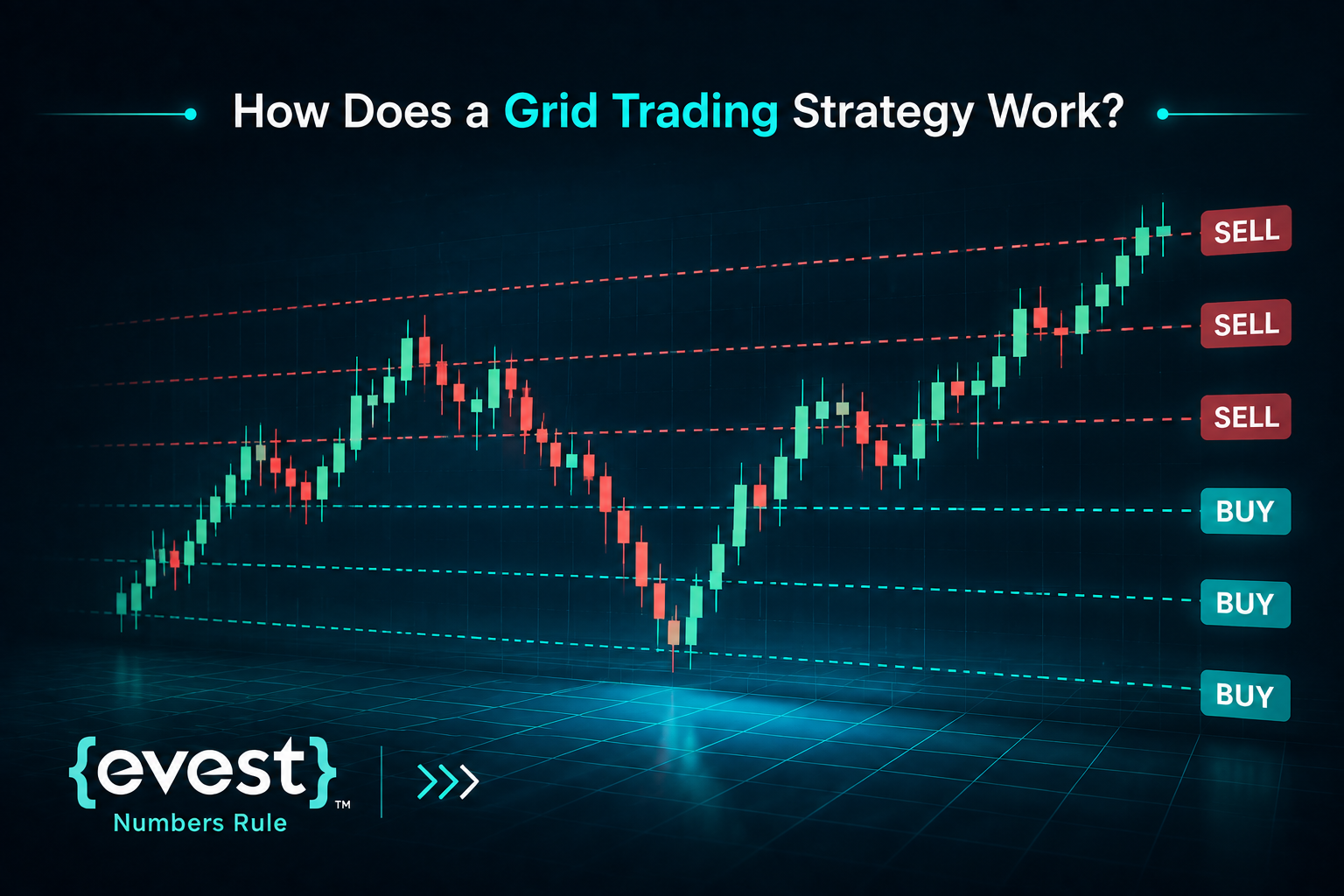
For crypto traders, specialized platforms such as 3Commas, Cryptohopper, and Evest Crypto Bot offer advanced functionality. These include automated arbitrage, grid trading, dollar-cost averaging (DCA) bots, and portfolio rebalancing features. Security and API integration are crucial here due to the decentralized nature of crypto exchanges.

Best Automated Trading Platforms for Beginners

Platforms tailored to beginners often provide simple interfaces, easy-to-understand tutorials, and pre-built strategies. Examples include TradingView automation, Zignaly, and Evest Beginner Bot. These tools help new traders gain confidence while minimizing risks through low-risk starter strategies.

Best Free or Low-Cost Automated Trading Tools

For traders on a budget, free or low-cost platforms like MetaTrader 4, QuantConnect, and some cloud-based bots offer valuable features without significant upfront investment. While they may lack advanced AI or premium support, these tools allow users to explore automated trading and develop profitable strategies.

Automated Trading for Beginners

Automated trading can be intimidating for beginners, but it is accessible with the right guidance and tools.

How to Get Started?

New traders should first learn the basics of trading, including market mechanics, technical market analysis, and risk management. Once comfortable, they can select an automated trading platform that offers beginner-friendly features and tutorials. Starting with a demo account is highly recommended.

Choosing the Right Platform

Beginners should prioritize platforms with intuitive interfaces, pre-built strategies, reliable customer support, and robust security. The choice should align with their preferred asset class, whether stocks, forex, or cryptocurrencies.

Simple Strategies Beginners Can Use

Simple strategies include trend following, moving average crossovers, and DCA bots for crypto. These require minimal adjustment and allow beginners to observe market behavior while gradually gaining experience.

Risk Management Basics

Even with automation, risk management is essential. Setting stop-loss limits, defining position sizes, and diversifying assets help prevent excessive losses and improve long-term results.

How to Choose the Best Automated Trading Platform?

Selecting the right platform involves evaluating several factors.

Licensing & Regulation

Ensure the platform is licensed and regulated by recognized financial authorities. This protects users from fraud and ensures adherence to industry standards.

Supported Assets (Crypto, Forex, Stocks)

Traders should verify that the platform supports their preferred markets. Multi-asset platforms allow diversification, which can enhance risk-adjusted returns.

Customization & AI Features

Advanced platforms offer customizable strategies and AI-driven insights, allowing traders to optimize performance and adapt to changing market conditions.

User Interface

A user-friendly interface is crucial for both beginners and experienced traders. Platforms should offer clear dashboards, charts, and reports for monitoring performance.

Fee Structure

Consider subscription fees, transaction costs, and any hidden charges. Low-cost platforms may reduce overhead but could limit features.

Risks & Limitations of Automated Trading

While automated trading offers many advantages, it is not risk-free.

Market Volatility

Sudden market swings can cause automated systems to execute unwanted trades. Strategies should be tested under various conditions to mitigate this risk.

Over-Optimization

Overfitting strategies to historical data can lead to poor real-world performance. Traders should avoid excessive tweaking of algorithms.

Technical Issues

Platform downtime, internet disruptions, or software bugs can affect trade execution. Backup systems and reliable brokers are essential.

Why Monitoring Is Still Necessary

Even automated systems require oversight. Traders must regularly review performance, adjust strategies, and respond to unexpected market events.

Best Automated Crypto Trading Platforms (Detailed Section)

Cryptocurrency markets present unique challenges and opportunities for automation.

Crypto-Specific Bots

Crypto trading bots like Evest Crypto Bot, 3Commas, and Cryptohopper specialize in features such as arbitrage, grid trading, and DCA.

Grid Trading, DCA Bots, Arbitrage

Grid trading places buy and sell orders at predefined levels, DCA spreads investment over time, and arbitrage exploits price differences across exchanges. These automated strategies help traders optimize returns in volatile markets.

Security Considerations

Security is paramount in crypto. API keys must be protected, and platforms should offer two-factor authentication, withdrawal limits, and insurance options where available.

Tips to Maximize Success with Automated Trading

To succeed in automated trading, users should adopt best practices.

How Often to Analyze Performance?

Regular performance reviews help identify weaknesses and improve strategy efficiency.

Updating Strategies

Market conditions change. Continuously updating strategies ensures they remain effective.

Avoiding Scams

Traders must use reputable platforms, verify licenses, and avoid promises of guaranteed returns.

Setting Realistic Expectations

Automation improves consistency but does not guarantee profits. Understanding risks and setting achievable goals is crucial.

Evest Services

Evest Services delivers a range of financial and business solutions aimed at supporting growth and streamlining operations. Their focus is on helping clients achieve smarter, more effective results.

Commission-Free Stock Trading

Evest allows clients to trade global stocks with zero commission, making it an attractive choice for investors who want to access international markets with minimum costs.

CFD Trading

The platform provides access to a wide range of financial assets through Contracts for Difference (CFDs), including stocks, forex, indices, commodities, and cryptocurrencies. This gives traders great flexibility to diversify their strategies.

WebTrader Platform

Evest offers a WebTrader platform that works directly from the browser without the need to download extra software. It features a user-friendly interface with real-time charts and analysis tools to help investors make better trading decisions.

Copy Trading

With the copy trading service, beginners or passive investors can automatically copy the trades of professional traders. This allows users to benefit from the experience of experts and potentially generate steady profits.

Demo Account

Evest provides a free demo account where traders can practice with virtual funds. This service is especially useful for beginners to learn trading basics and test strategies without risking real money.

Islamic Trading Accounts

Evest offers Islamic (Swap-Free) accounts that are free from interest charges, making them compliant with Shariah law and suitable for Muslim traders.

Smart Analytics Tool (Evest Analytics)

The platform integrates AI-powered analytics tools that deliver accurate market insights and instant alerts, helping traders to identify investment opportunities at the right time.

Mobile Trading App

Evest provides a modern mobile application for iOS and Android, enabling users to trade anywhere, anytime, with the same tools and features available on the web platform.

Multiple Deposit & Withdrawal Options

Evest supports various payment methods for deposits and withdrawals, including:

  • Credit and debit cards
  • E-wallets
  • Bank transfers

This ensures flexible and convenient financial transactions for traders worldwide.

Conclusion

Automated trading platforms are transforming the way traders approach financial markets. They offer speed, precision, emotion-free trading, and the ability to operate continuously. Platforms like Evest, 3Commas, and MetaTrader provide solutions tailored to beginners, advanced traders, and crypto enthusiasts.

The benefits are significant: 24/7 market execution, reduced emotional bias, backtesting, and risk management tools. However, traders must remain vigilant, as technical issues, market volatility, and over-optimization can still impact performance.

By leveraging the best automated trading platforms and following best practices, traders can optimize strategies, manage risks effectively, and explore opportunities across global markets. Automation is not just a trend — it is shaping the future of trading.

FAQs

What is an automated trading platform?

An automated trading platform is a software system that executes trades automatically based on preset strategies and algorithms, removing human intervention from the process.

Are automated trading platforms good for beginners?

Yes, they are particularly useful for beginners because they reduce emotional decision-making and offer pre-built strategies that are easy to implement.

What is the best automated trading platform?

The best platform depends on individual needs, but top options include Evest, MetaTrader 5, NinjaTrader, and TradingView automation tools.

What is the best automated crypto trading platform?

Popular options include Evest Crypto Bot, 3Commas, and Cryptohopper, offering features such as DCA bots, grid trading, and arbitrage.

How does automated trading work?

Automated trading works by using algorithms to monitor the market and execute trades based on predefined rules, such as price thresholds or technical indicators.

Is automated trading profitable?

It can be profitable if strategies are well-designed, tested, and adjusted for market conditions. However, risks like volatility, technical failures, and over-optimization remain.

Top Most Valuable Currencies in The World

Understanding the most valuable currencies in the world is one of the most important steps for anyone who trades forex, invests internationally, or follows the global economic landscape. When people hear the phrase most valuable currencies in the world, they often assume the strongest currency must belong to the largest or richest nations. But the truth is much more complex. Many countries with small populations or limited global political influence actually issue some of the highest-valued currencies. In contrast, the currencies of economic giants like the United States, China, and Japan do not rank among the top by value.

What Makes a Currency Valuable?

Before looking at the most valuable currencies in the world, it is essential to understand the economic mechanisms that influence a currency’s strength and value. A currency’s exchange rate is not random—national economic policies, supply and demand, and global trade flows shape it.

Below are the main factors that determine whether a currency becomes one of the most valuable currencies in the world.

Economic Stability and Growth

Economic stability is the foundation of a strong currency. Countries that maintain consistent GDP growth, low unemployment, and sustainable public finances often have more valuable currencies. Investors prefer stable economies because they reduce risk. Higher investor confidence increases demand for that country’s currency, which raises its value.

For example, currencies like the Kuwaiti Dinar (KWD) or Swiss Franc (CHF) benefit from stable economic systems supported by strong central banks and predictable fiscal policies. These countries avoid volatile political situations and maintain long-term economic strategies that support currency appreciation.

A stable economy also attracts foreign investment. When corporations or individuals invest in a country—whether in real estate, stocks, bonds, or infrastructure—they must exchange their money for the local currency. This increases demand and raises the value of the currency relative to others, contributing to its position among the most valuable currencies in the world.

Inflation Control and Interest Rates

Inflation is one of the most powerful determinants of currency value. Countries with low inflation rates typically have stronger, more valuable currencies, while those with high inflation experience depreciation.

Low inflation preserves purchasing power, meaning the currency can buy more goods and services over time. This stability attracts foreign investors and encourages the use of the currency in global markets.

Interest rates also play a major role.

High interest rates attract foreign capital, especially from investors seeking higher returns on bonds and savings. This creates upward pressure on the currency. Meanwhile, low interest rates can weaken currency value.

Countries with strong central banks—like Switzerland, Oman, and the Eurozone—tend to maintain stable inflation and responsible monetary policies, helping their currencies remain among the most valuable currencies in the world.

Foreign Exchange Reserves and Trade Balance

Countries with large foreign exchange reserves—especially in US Dollars, Euros, or gold—can stabilize their currency and protect it from external shocks. These reserves allow governments to intervene in currency markets to support their national currency when needed.

A positive trade balance (meaning a country exports more than it imports) also supports a stronger currency. Export-heavy nations receive payments in foreign currencies, which are converted into the local currency, increasing its value.

Oil-exporting countries like Kuwait, Bahrain, and Oman benefit from massive inflows of foreign currency from energy exports. This is a major reason their currencies consistently rank at the top of the most valuable currencies in the world, even though their economies may be small.

Top 10 Most Valuable Currencies in the World

When people search for the most valuable currencies in the world, they usually expect to see major economic powers like the United States, the United Kingdom, China, or Japan at the top of the rankings. However, the truth is that many of the strongest and highest-value currencies come from smaller, resource-rich, or economically stable nations. These currencies are not necessarily the most traded, but they hold the highest value when exchanged for US dollars.

Below is a comprehensive overview of the top 10 most valuable currencies—each explained in detail to help you understand why they hold such strong positions globally.

Kuwaiti Dinar (KWD)

The Kuwaiti Dinar is currently regarded as the single highest-valued currency in the world. When comparing the most valuable currencies in the world, the Kuwaiti Dinar is consistently at the top of the list due to a combination of powerful economic factors. Kuwait has one of the largest oil reserves on the planet, and its production levels relative to its small population allow it to generate enormous export revenues.

This oil wealth is backed by a stable government, strong economic policies, and one of the highest per-capita incomes worldwide. Kuwait’s Central Bank maintains strict monetary policies to preserve the value of the KWD by controlling inflation and ensuring stability in its financial system. Another major factor is that Kuwait operates a pegged exchange system tied to a basket of global currencies, which maintains the value of the KWD and shields it from excessive volatility.

Because of its high buying power and long-standing financial stability, the Kuwaiti Dinar is frequently cited as the most valuable currency in world discussions and often recognized as the highest-value national currency ever issued.

Bahraini Dinar (BHD)

The Bahraini Dinar ranks just below the Kuwaiti Dinar on the list of the most valuable currencies in the world. Bahrain, like Kuwait, is a major oil exporter, and consistent revenue streams from the oil and gas sector back its currency. Its financial system is considered one of the most developed in the Gulf region, and the country has built a strong banking sector that serves international clients from around the world.

Bahrain’s economy may be smaller, but its currency remains strong due to the government’s adoption of a fixed exchange rate system. The Bahraini Dinar is pegged to the US Dollar, creating long-term stability and predictable exchange conditions. Because of these factors, investors often regard the BHD as one of the most valuable currencies and a reliable store of value within global markets.

Invest in Crypto

The Omani Rial is another currency that ranks among the most valuable currencies in the world and is one of the highest-value currencies issued by any nation. Oman’s strategic position, oil revenue, and strong government policy contribute to the Rial’s strength. The country pegs its currency to the US Dollar at a very high exchange rate, meaning one OMR buys significantly more USD than almost any other currency.
Oman is known for its conservative monetary policies, low inflation rates, and carefully managed economy. This financial stability helps maintain the OMR’s strong value internationally. The government also invests heavily in economic diversification, ensuring long-term sustainability for the currency.

Jordanian Dinar (JOD)

Unlike many countries in the Gulf region, Jordan does not rely heavily on oil exports. Instead, the Jordanian Dinar’s strength comes from strong economic policies, foreign aid flows, and a fixed exchange rate system. Despite facing regional challenges, Jordan has maintained stable monetary policies for decades.

The JOD remains one of the most valuable currencies in the world because of consistent central bank management and strong economic relationships. Its stability provides confidence to investors and supports strong purchasing power within the region.

British Pound Sterling (GBP)

The British Pound Sterling is the highest-valued major currency. It is often included in every list of most valuable currencies due to its long history, global influence, and role in international finance. The United Kingdom has one of the world’s largest economies, a highly developed financial sector, and a currency used widely in global trade.

Although it is not as high in value as the Dinar-based currencies, the GBP is one of the most powerful and most expensive currencies in the world in terms of global impact. It is among the top-traded currencies in the forex trading market and is held widely as a reserve currency by central banks.

Cayman Islands Dollar (KYD)

The Cayman Islands Dollar is another surprising entry among the most valuable currencies in the world. The Cayman Islands is a global financial hub with a leading offshore banking industry, attracting trillions in international financial flows.

The KYD is pegged to the US Dollar, helping maintain its high value. The country’s stable political structure, strong economy, and focus on financial services support the currency’s strength.

Euro (EUR)

The Euro is the official currency of the Eurozone, representing more than 20 countries and hundreds of millions of people. It remains one of the most valuable currencies and is the second-most traded currency globally after the US Dollar.

While the Euro is not the highest currency in nominal value, it is one of the strongest global currencies because of the economic power behind it. The Eurozone economy is one of the largest and most advanced in the world, and the EUR serves as a major reserve currency.

Swiss Franc (CHF)

The Swiss Franc is one of the strongest, safest, and most valuable currencies in the world due to Switzerland’s long-standing reputation for stability, low inflation, strong banking laws, and economic neutrality.

Because Switzerland is considered a haven for investors, demand for the CHF increases during global crises, maintaining its value even in turbulent markets.

US Dollar (USD)

Although the US Dollar is not the highest-valued currency, it is the world’s most important financial instrument. It remains the most traded currency globally and the primary global reserve currency. The strength of the USD comes from the size and influence of the US economy, its global trade networks, and investor confidence.

The US Dollar is often compared with the most valuable currencies in the world, but its value lies in its influence, not its nominal price.

Gibraltar Pound (GIP)

The Gibraltar Pound is pegged to the British Pound but holds its own identity as one of the most valuable currencies in the world. Gibraltar’s economy is small but stable, supported by tourism, financial services, and strategic trade routes.

Despite its size, the currency’s stability and peg contribute to its high value.

Why Does the US Dollar Remain Dominant Despite Lower Nominal Value?

The US Dollar remains one of the most influential currencies globally, even though it is not featured at the top of the list of the most valuable currencies in the world. While many people assume that a stronger currency must always outperform a lower-valued one, the reality of global finance is far more complex. The dominance of the US Dollar is rooted not in its nominal price but in the global financial system’s reliance on the currency as a foundation for trade, investment, and international stability.

One of the primary reasons the US Dollar is so dominant is its role as the world’s primary reserve currency. More than 60% of global foreign exchange reserves are held in USD. Countries, banks, and major corporations rely on the dollar for saving, transactions, and international settlements because it offers unmatched liquidity, accessibility, and trust. Even when the value of other currencies rises against the USD, global confidence in the resilience of the American economy keeps the dollar in high demand.

Another major factor is the size of the US economy, which remains one of the largest and most diversified in the world. Its economic infrastructure, strong industrial output, technological leadership, and massive consumer market create a constant global demand for USD-based transactions.

From commodities like oil and gold to international loans, much of the world’s financial architecture is tied directly to the USD. This ensures the currency remains central to global trade even when the most valuable currencies in the world surpass it in nominal exchange rates.

The stability and predictability of US institutions also reinforce the USD’s importance. Investors and nations trust the monetary policy decisions of the Federal Reserve, which provides consistent guidance and transparency. During global economic turmoil, investors often flee to the USD as a haven. This persistent global confidence maintains the USD’s strength and dominance, independent of its actual exchange rate.

Furthermore, international trade agreements often include USD as the settlement currency. OPEC, for example, prices its oil in US Dollars, making the currency an essential part of the global energy market. The dominance of USD in major sectors keeps it at the forefront of global financial transactions, overshadowing even the most valuable currencies world.

Even though the Kuwaiti Dinar, Bahraini Dinar, and Omani Rial hold higher nominal values, they are not used widely in global markets. The US Dollar’s utility, stability, liquidity, and global influence far outweigh the significance of its nominal valuation. As a result, the dollar continues to hold immense strength in global finance — an influence that is likely to persist well into the future.

How Currency Value Affects International Trade?

The value of a currency has a direct impact on international trade, shaping a country’s economic competitiveness, import and export dynamics, and overall financial stability. Understanding how currency valuation influences trade is essential, especially when exploring the most valuable currencies in the world and their roles in global markets.

Impact on Exports and Imports

When a country’s currency is strong, its exports generally become more expensive on the international market. For example, nations with strong currencies, such as Switzerland or the United Kingdom, may face challenges when exporting goods because foreign buyers must spend more to purchase these items. This can reduce demand for exports and negatively affect trade balances.

On the other hand, a strong currency makes imports cheaper. Consumers and businesses can buy foreign goods at lower prices, increasing purchasing power.

This can benefit industries that rely heavily on imported materials, machinery, or technology. However, excessive reliance on imports may weaken domestic production in the long run.

For countries with weaker currencies, the opposite occurs. Their exports become cheaper and more competitive globally. A weaker currency can boost economic growth by encouraging foreign buyers to purchase goods and services at lower costs. Yet, imports become more expensive, which can increase the cost of essential goods such as fuel, raw materials, and food supplies.

This interplay between currency strength, exports, and imports is essential for policymakers because it helps determine interest rate strategies, inflation targets, and trade policies.

Influence on Inflation and Purchasing Power

Currency valuation also affects inflation and the overall purchasing power of a nation’s citizens. A strong currency increases purchasing power because people can buy more goods for the same amount of money. Importing high-quality goods becomes easier, and inflation generally remains under control.

Conversely, a weak currency reduces purchasing power and can lead to higher inflation. When a country relies on imports for essential goods, a depreciating currency can create sharp increases in prices. This can further reduce consumer confidence and economic stability.

Countries with some of the most valuable currencies in the world often maintain strict monetary policies to prevent inflation. Lower inflation helps preserve currency value, ensuring citizens maintain strong purchasing power and economic stability.

Currency value also affects international investments. Investors often prefer countries with stable, high-value currencies because they offer lower risk. A country with a depreciating currency may struggle to attract foreign capital, which can hold back development and growth.

Overall, currency valuation plays a key role in shaping global trade relationships, determining national economic strategies, and influencing international financial decisions.

Evest Services

Evest Services delivers a range of financial and business solutions aimed at supporting growth and streamlining operations. Their focus is on helping clients achieve smarter, more effective results.

Commission-Free Stock Trading

Evest allows clients to trade global stocks with zero commission, making it an attractive choice for investors who want to access international markets with minimum costs.

CFD Trading

The platform provides access to a wide range of financial assets through Contracts for Difference (CFDs), including stocks, forex, indices, commodities, and cryptocurrencies. This gives traders great flexibility to diversify their strategies.

WebTrader Platform

Evest offers a WebTrader platform that works directly from the browser without the need to download extra software. It features a user-friendly interface with real-time charts and analysis tools to help investors make better trading decisions.

Copy Trading

With the copy trading service, beginners or passive investors can automatically copy the trades of professional traders. This allows users to benefit from the experience of experts and potentially generate steady profits.

Demo Account

Evest provides a free demo account where traders can practice with virtual funds. This service is especially useful for beginners to learn trading basics and test strategies without risking real money.

Islamic Trading Accounts

Evest offers Islamic accounts (Swap-Free) that are free from interest charges, making them compliant with Shariah law and suitable for Muslim traders.

Smart Analytics Tool (Evest Analytics)

The platform integrates AI-powered analytics tools that deliver accurate market insights and instant alerts, helping traders to identify investment opportunities at the right time.

Mobile Trading App

Evest provides a modern mobile application for iOS and Android, enabling users to trade anywhere, anytime, with the same tools and features available on the web platform.

Multiple Deposit & Withdrawal Options

Evest supports various payment methods for deposits and withdrawals, including:

  • Credit and debit cards
  • E-wallets
  • Bank transfers

This ensures flexible and convenient financial transactions for traders worldwide.

In Conclusion

The global currency market is dynamic, complex, and deeply influenced by factors such as economic stability, inflation, interest rates, and geopolitical conditions. When we examine the most valuable currencies in the world, it becomes clear that high value does not necessarily equal global dominance or economic superiority. Instead, currency value reflects a combination of strong fiscal policies, controlled inflation, trade surpluses, and economic confidence.

FAQs

What are the top 10 highest currencies in the world?

The top 10 highest currencies in the world, based on nominal exchange rate value, include the Kuwaiti Dinar, Bahraini Dinar, Omani Rial, Jordanian Dinar, British Pound Sterling, Cayman Islands Dollar, Euro, Swiss Franc, US Dollar, and Gibraltar Pound. These currencies rank highly due to economic stability, low inflation, and strong monetary policies.

Which currency has the highest value against the US dollar?

The Kuwaiti Dinar (KWD) is currently the most valuable currency in the world when compared to the US Dollar. Its high value is primarily driven by Kuwait's strong oil-based economy, controlled inflation, and stable financial environment.

What makes some currencies stronger than others?

Several factors determine currency strength, including economic stability, inflation control, interest rates, foreign exchange reserves, trade surpluses, and investor confidence. Countries with strong fiscal policies and stable political environments tend to have stronger currencies.

Is the most valuable currency also the most traded?

No. While some currencies may top the list of the most valuable currencies in the world, they are not necessarily the most traded. The US Dollar, Euro, British Pound, and Japanese Yen dominate global forex trading due to liquidity, global use, and market trust — even though their nominal value may be lower.

Top Stock Market Trading Courses Online

In the evolving world of global financial markets, the demand for high-quality Stock Market Trading Courses has reached an all-time high. As more individuals look for ways to build financial independence, diversify income sources, or start a professional trading career, learning the fundamentals of the stock market has become crucial. Whether you are a complete beginner stepping into trading for the first time or a seasoned investor hoping to refine advanced strategies, structured education is one of the strongest tools available today. This is where Evest enters the picture as a modern, user-friendly, and industry-recognized online trading platform that equips traders with accessible tools and learning resources.

What Are Stock Market Trading Courses? 

Stock Market Trading Courses are structured educational programs designed to teach individuals how to trade stocks, analyze markets, manage risks, and build profitable investment strategies. These courses provide step-by-step instruction on all essential trading concepts—from understanding basic stock market terminology to mastering advanced strategies like technical charting, candlestick analysis, and portfolio diversification.

In its simplest form, a stock market represents a marketplace where publicly listed companies issue shares, which investors buy and sell. But beyond this simplicity lies a complex world influenced by global events, financial reports, investor sentiment, and economic conditions. Without proper knowledge, navigating this world becomes overwhelming. This is why structured stock market courses exist: to break down the information into practical modules that build traders’ confidence and skill.

Most Stock Market Trading Courses include lessons on how to interpret charts, identify trends, understand risk-reward ratios, study company fundamentals, and analyze macroeconomic forces. More advanced programs go even deeper, covering algorithmic trading techniques, technical indicators, advanced candlestick patterns, futures and options trading, and market psychology.

These courses exist in many formats:

• Online recorded sessions

• Live interactive classes

• Self-paced modules

• One-on-one mentorship programs

• Boot camps and workshops

Online learning has become the preferred method for many students due to flexibility and affordability, which is why stock market trading courses online are in high demand. These courses allow learners to train at their own pace while still accessing expert-level knowledge.

With platforms like Evest, students can pair their learning with powerful trading tools and real-time market access. Not only do they watch and learn—they apply knowledge instantly through demo accounts and user-friendly tools.

By the end of such programs, traders gain a strong foundation and the ability to:

  • Analyze stocks
  • Manage investment portfolios
  • Reduce trading risks
  • Build strategies
  • Avoid emotional decision-making

In short, Stock Market Trading Courses transform beginners into confident traders and refine the skills of experienced investors.

Importance of Structured Learning in Trading

Structured learning plays an essential role in the world of trading. While the internet is filled with random information, traders need a reliable path to follow, especially when handling financial markets where mistakes are costly. This is why Stock Market Trading Courses are incredibly important—they provide a clear, organized, step-by-step approach to learning that eliminates guesswork.

Many people start trading without education, relying only on intuition or scattered tips. This often leads to losses, emotional trading, and confusion. Structured courses prevent this by offering systematic learning where each concept builds on the previous one. The goal is not just to provide information but to transform an individual’s thinking approach, decision-making habits, and risk-management behavior.

A structured course ensures that traders:

Learn trading fundamentals properly.

Traders understand market mechanics, how orders work, and what influences asset prices.

Follow a guided learning path.

Beginners progress from basic to intermediate to advanced concepts without feeling overwhelmed.

Develop real-world skills

Through practical examples, simulated trading, and hands-on exercises.

Avoid unnecessary losses

Education helps identify high-risk situations and avoid emotional mistakes.

Master risk management

One of the biggest differences between successful traders and those who fail is discipline.

Moreover, structured learning provides accountability. Courses include quizzes, assignments, progress tracking, and instructor feedback. This ensures that students stay engaged and continuously improve.

Online trading Platforms like Evest enhance this experience by offering real-time trading environments where students can practice instantly. This combination of theory and practical application significantly improves understanding and builds confidence.

In summary, structured Stock Market Trading Courses are essential because they transform trading from a risky gamble into a strategic, well-organized, and disciplined activity. With proper training, any trader—beginner or advanced—can build powerful skills, minimize risk, and maximize returns.

Benefits of Taking a Stock Market Trading Course

Exploring the benefits of taking a stock market trading course begins with understanding how it can enhance your confidence as an investor. It provides a solid starting point for anyone looking to build stronger knowledge of market concepts and trading strategies.

Building Foundational Knowledge 

A strong foundation is the key to becoming a successful trader. Beginners often misunderstand the market, assuming it is based on luck. However, trading is a blend of knowledge, analysis, psychology, and strategy. Stock Market Trading Courses help students understand fundamental concepts such as stock types, market movements, trading strategies, order execution, chart basics, and more. This foundational knowledge prevents common beginner mistakes and equips learners with confidence.

Understanding Market Analysis

Market analysis is the backbone of successful trading. Courses teach both technical and fundamental analysis, ensuring students learn how to interpret indicators, read charts, identify buy/sell signals, and analyze company reports. Whether you want to study stock price behavior or evaluate company performance, structured analysis skills make trading far more accurate and strategic. This is essential for those taking stock market trading courses for beginners.

Learning Risk Management and Trading Psychology

Risk management is the difference between professional traders and emotional traders. A good course teaches stop-loss placement, position sizing, risk-reward ratios, and how to manage emotions during volatile market conditions. Trading psychology helps traders avoid fear, greed, and impulsive decision-making—three major causes of trading losses. These courses show how to control emotional reactions and trade with discipline, consistency, and logic.

Types of Stock Market Trading Courses

Stock trading market courses come in a variety of formats designed to help learners understand market dynamics with confidence. These programs provide structured guidance that supports traders at different experience levels without diving into technical details.

Beginner-Level Trading Courses 

These courses introduce newcomers to the stock market, explaining how trading works, how to read charts, how to open trading accounts, and how to use trading tools. They focus heavily on foundational skills.

Advanced Trading and Investment Courses

These programs dive deeper into advanced strategies such as market cycles, institutional trading, derivatives, macroeconomic analysis, and long-term portfolio planning. Suitable for traders who already understand stock basics.

Technical Analysis and Charting Programs 

These courses cover:

  • Candlestick patterns
  • Price action
  • Chart formations
  • Indicators
  • Trend analysis

They are ideal for traders who want to master chart-based trading techniques.

Day Trading and Swing Trading Courses 

Day trading involves quick trades within the same day, while swing trading focuses on capturing medium-term market movements. These courses include strategies, risk management techniques, and tools tailored to short-term trading.

Key Topics Covered in Stock Market Courses

Stock market courses typically explore a wide range of concepts that help learners build a solid understanding of how markets operate. These topics offer a clear foundation for anyone looking to navigate trading with greater confidence and awareness.

Technical and Fundamental Analysis 

Most Stock Market Trading Courses combine both forms of analysis. Technical market analysis teaches chart reading, indicator usage, and trend identification. Fundamental analysis teaches economic interpretation, company evaluation, and financial data interpretation.

Portfolio Management 

Diversification, risk balancing, asset allocation, and long-term planning are key components of professional portfolio management. Courses explain how to build and maintain stable portfolios.

Trading Tools and Platforms

Students learn how to use trading platforms like Evest, charting software, risk calculators, and screening tools. Effective use of these tools enhances decision-making.

Market Indicators and Patterns

Indicators such as RSI, MACD, moving averages, and Bollinger Bands are thoroughly explained. Students learn to detect patterns that help predict future price movements.

How to Choose the Right Trading Course?

Choosing the right course requires evaluating your goals, skill level, time availability, and learning style. Look for courses that offer structured materials, expert instructors, practical training, and real-world examples. The best courses include quizzes, simulations, continued support, and access to online communities.

Consider whether the course is for beginners or advanced traders. Check its curriculum and ensure it is relevant, practical, and up to date with current market trends. Platforms like Evest offer courses that balance theory and practice effectively.

Tips for Success in Trading Education 

Trading education often becomes more effective when learners adopt the right habits and mindset from the start. These tips aim to support a smoother learning journey and help students make the most of their training experience.

Practice Through Demo Accounts 

Demo trading accounts help learners apply knowledge without risking real money. Platforms like Evest provide realistic demo environments where students can practice trading strategies.

Continuous Learning and Updates 

The stock market changes regularly. Staying updated through courses, webinars, and market reports ensures traders remain competitive.

Joining Trading Communities 

Learning from other traders helps accelerate progress. Communities offer support, ideas, discussions, and shared experiences.

Evest Services

Evest Services delivers a range of financial and business solutions aimed at supporting growth and streamlining operations. Their focus is on helping clients achieve smarter, more effective results.

Commission-Free Stock Trading

Evest allows clients to trade global stocks with zero commission, making it an attractive choice for investors who want to access international markets with minimum costs.

CFD Trading

The platform provides access to a wide range of financial assets through Contracts for Difference (CFDs), including stocks, forex, indices, commodities, and cryptocurrencies. This gives traders great flexibility to diversify their strategies.

WebTrader Platform

Evest offers a WebTrader platform that works directly from the browser without the need to download extra software. It features a user-friendly interface with real-time charts and analysis tools to help investors make better trading decisions.

Copy Trading

With the copy trading service, beginners or passive investors can automatically copy the trades of professional traders. This allows users to benefit from the experience of experts and potentially generate steady profits.

Demo Account

Evest provides a free demo account where traders can practice with virtual funds. This service is especially useful for beginners to learn trading basics and test strategies without risking real money.

Islamic Trading Accounts

Evest offers Islamic (Swap-Free) accounts that are free from interest charges, making them compliant with Shariah law and suitable for Muslim traders.

Smart Analytics Tool (Evest Analytics)

The platform integrates AI-powered analytics tools that deliver accurate market insights and instant alerts, helping traders to identify investment opportunities at the right time.

Mobile Trading App

Evest provides a modern mobile application for iOS and Android, enabling users to trade anywhere, anytime, with the same tools and features available on the web platform.

Multiple Deposit & Withdrawal Options

Evest supports various payment methods for deposits and withdrawals, including:

  • Credit and debit cards
  • E-wallets
  • Bank transfers

This ensures flexible and convenient financial transactions for traders worldwide.

In Conclusion 

Stock Market Trading Courses are essential for anyone serious about achieving success in the stock market. They provide structured learning, foundational knowledge, advanced strategies, and practical tools that make trading more efficient and less risky. With online courses from platforms like Evest, learners can gain expert-level skills from the comfort of their homes.

FAQs 

How can I learn stock trading online?

Through online courses, platforms like Evest, demo accounts, and structured learning programs.

Are Stock Market Trading Courses worth the money?

Yes, they provide essential knowledge and significantly reduce long-term trading risks.

What skills do I gain from a stock trading course?

Risk management, chart reading, strategy development, market analysis, and psychology management.

How long does it take to complete a Stock Market Trading Course?

Depending on the program, it may take weeks to months.

What are the differences between beginner and advanced trading courses?

Beginner courses teach basics; advanced courses focus on complex strategies, analysis tools, and market mastery.