
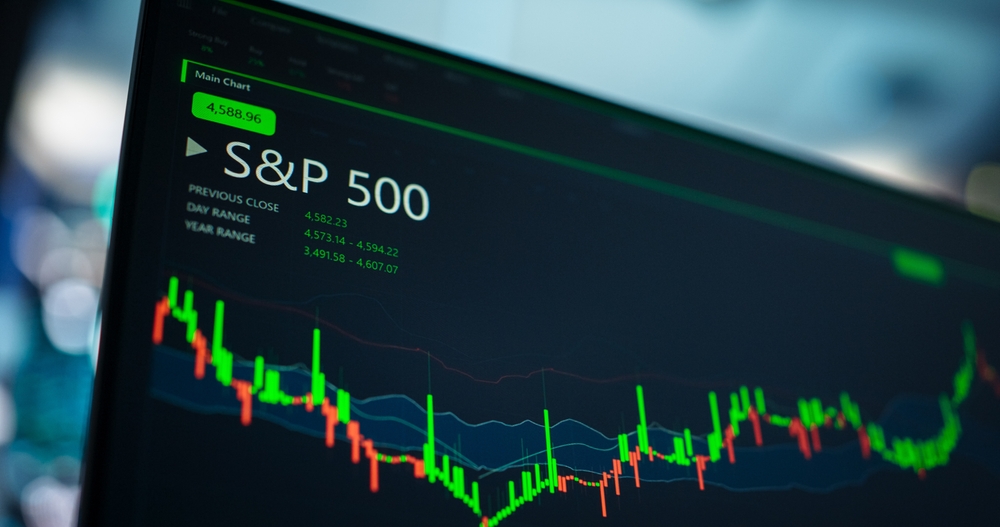
The SPDR S and P 500 ETF has become one of the most widely recognized and traded investment vehicles in the global financial market. Designed to track the performance of the S&P 500 index, this exchange-traded fund (ETF) offers investors an efficient way to gain exposure to the top 500 publicly traded US companies. Understanding the dynamics of the spdr s and p 500 is essential for anyone interested in long-term investing or portfolio diversification.
Investors often wonder what is SP 500 ETF is, how it operates, and why it has become a go-to choice for both beginners and seasoned investors. By examining the S&P 500 performance, the structure of the S&P 500 index, and the S&P 500 stock components it mirrors, one can appreciate the strategic advantages of including the SPDR and the S&P 500 in an investment portfolio.
What Is the SPDR S&P 500 ETF?
The SPDR S and P 500 ETF, often referred to by its ticker symbol SPY, is an exchange-traded fund that tracks the S&P 500 index, which represents the 500 largest publicly traded companies in the United States. The fund was launched in 1993 and is managed by State Street Global Advisors.
The SPDR and p 500 function as a passive investment vehicle, aiming to replicate the returns of the S&P 500 index, after accounting for management trading fees and expenses. Investors looking to understand what SP 500 ETFs benefit from the fund’s ability to provide broad market exposure, liquidity, and ease of access through standard brokerage accounts.
By tracking the S&P 500, the ETF includes companies across multiple sectors, such as technology, healthcare, financials, consumer goods, and energy. This sector diversity ensures that the SPDR and p 500 offer a balanced investment approach while closely mirroring the overall S&P 500 performance.
Why is it one of the most popular investment options?
The SPDR and p 500 are popular among investors for several reasons. First, it provides instant diversification across a large number of companies, mitigating the Risk Management associated with investing in individual S&P 500 stocks. By holding a single ETF, investors are exposed to a broad spectrum of sectors, which helps reduce volatility compared to single-stock investments.
Second, the SPDRs and p 500 are highly liquid, allowing investors to buy and sell shares easily. Its popularity ensures tight bid-ask spreads, making it cost-efficient for trading. The S&P 500 performance historically demonstrates stable, long-term growth, which attracts both passive investors and active traders seeking to capitalize on market trends.
Finally, the ETF provides transparency and simplicity. Investors do not need to track individual company performance; instead, they can rely on the SPDR and p 500 to reflect the movements of the overall market. This combination of diversification, liquidity, and simplicity solidifies its position as one of the most trusted investment options globally.
How does it mirror the performance of the S&P 500 index?
The SPDR and p 500 mirror the S&P 500 index by holding shares of the same companies included in the index, weighted according to market capitalization. This replication allows the ETF to track the index’s performance closely. Adjustments are made periodically to account for changes in the index composition, mergers, or corporate actions, ensuring the fund remains aligned with the S&P 500 performance.
The ETF uses a combination of full replication and sampling techniques to maintain alignment with the S&P 500 index. Full replication involves holding every stock in the index in proportion to its weight. In contrast, sampling can involve holding a representative selection of securities that closely match the index’s risk and return profile. Both methods ensure the SPDRs and the S&P 500 accurately track market movements over time.
How the SPDR S&P 500 Works?
The SPDR and p 500 operate by investing in the underlying stocks of the S&P 500 index. The fund collects dividends from the constituent S&P 500 stocks and reinvests or distributes them according to the ETF’s policy. Fund managers adjust holdings to reflect changes in the S&P 500 index, such as additions, deletions, or corporate actions.
How are shares traded on exchanges?
Shares of the SPDR and p 500 trade on major stock exchanges like the NYSE, just like any other stock. Investors can buy and sell ETF shares throughout the trading day at market prices. This trading flexibility distinguishes ETFs from mutual funds, which are priced only at the end of the trading day. Market makers and authorized participants help maintain liquidity, ensuring that the SPDRs and p 500 reflect the S&P 500 index accurately in real-time.
Benefits of Investing in SPDR S&P 500
Investing in the SPDR S&P 500 offers exposure to a diversified portfolio of leading US companies. It provides potential long-term growth, liquidity, and a way to track overall market performance.
Diversification across major U.S. companies
By investing in the SPDR and p 500, investors gain exposure to a wide range of companies across sectors. This diversification reduces the risk associated with investing in individual S&P 500 stocks and allows for more stable returns aligned with overall S&P 500 performance.
Low-cost and passive investing strategy
The SPDR and p 500 offer a low-cost investment alternative. Expense ratios are minimal compared to actively managed funds, making it ideal for long-term, buy-and-hold investors. This passive investment approach provides a cost-effective method to track sp 500 performance without the need for frequent portfolio management.
Long-term performance and stability
Historically, the SPDR and p 500 have mirrored the consistent growth of the S&P 500 index, making it suitable for investors seeking long-term capital appreciation. Over multiple decades, the ETF has delivered returns comparable to the US stock market, highlighting the stability and reliability of the SPDR and p 500 as a core investment vehicle.
Risks and Considerations
Investing carries risks and considerations, including market volatility, economic changes, and potential losses. Understanding these factors helps investors make informed decisions.
Market volatility
Despite its diversification, the SPDR and p 500 are still subject to market fluctuations. Economic downturns, geopolitical events, or changes in interest rates can impact the S&P 500 performance, affecting the value of the ETF.
Dependence on US economic performance
The ETF closely tracks US markets, so domestic economic conditions, policy changes, and corporate earnings reports significantly influence the spdr s and p 500. A weak US economy can lead to declines in S&P 500 stock prices and overall fund value.
Impact of inflation and interest rate changes
Rising inflation or interest rates can affect market sentiment and investor returns, creating short-term volatility in the SPDR and the S&P 500. Long-term investors must consider these macroeconomic factors when assessing their exposure to the ETF.
How to Invest in SPDR S&P 500?
Investing in the SPDR and p 500 is straightforward. Investors can purchase shares through brokerage accounts, retirement accounts, or trading platforms. Many platforms provide analytical tools to monitor sp 500 performance, historical trends, and individual S&P 500 stock movements.
For those interested in what the SP 500 ETF is, buying shares of the ETF allows instant access to diversified US equities without the need to select individual stocks. Investors can also reinvest dividends, employ automated trading strategies, or use the ETF as part of a broader portfolio allocation.
Who Should Invest in SPDR S&P 500?
The SPDR and p 500 suit a wide range of investors. Long-term investors seeking growth through diversified exposure to US equities benefit from its passive strategy and historical performance. Traders looking for liquid instruments to speculate on S&P 500 index movements can also utilize ETFs like SPY. Additionally, those seeking to balance risk across different sectors and industries find the SPDR and p 500 to be a practical solution.
Evest Services
Evest Services delivers a range of financial and business solutions aimed at supporting growth and streamlining operations. Their focus is on helping clients achieve smarter, more effective results.
Commission-Free Stock Trading
Evest allows clients to trade global stocks with zero commission, making it an attractive choice for investors who want to access international markets with minimum costs.
CFD Trading
The platform provides access to a wide range of financial assets through Contracts for Difference (CFDs), including stocks, forex, indices, commodities, and cryptocurrencies. This gives traders great flexibility to diversify their strategies.
WebTrader Platform
Evest offers a WebTrader platform that works directly from the browser without the need to download extra software. It features a user-friendly interface with real-time charts and analysis tools to help investors make better trading decisions.
Copy Trading
With the copy trading service, beginners or passive investors can automatically copy the trades of professional traders. This allows users to benefit from the experience of experts and potentially generate steady profits.
Demo Account
Evest provides a free demo account where traders can practice with virtual funds. This service is especially useful for beginners to learn trading basics and test strategies without risking real money.
Islamic Trading Accounts
Evest offers Islamic (Swap-Free) accounts that are free from interest charges, making them compliant with Shariah law and suitable for Muslim traders.
Smart Analytics Tool (Evest Analytics)
The platform integrates AI-powered analytics tools that deliver accurate market insights and instant alerts, helping traders to identify investment opportunities at the right time.
Mobile Trading App
Evest provides a modern mobile application for iOS and Android, enabling users to trade anywhere, anytime, with the same tools and features available on the web platform.
Multiple Deposit & Withdrawal Options
Evest supports various payment methods for deposits and withdrawals, including:
- Credit and debit cards
- E-wallets
- Bank transfers
This ensures flexible and convenient financial transactions for traders worldwide.
In Conclusion
The SPDR and p 500 remain one of the most reliable, cost-effective, and accessible investment vehicles for global investors. By tracking the S&P 500 index and providing exposure to a broad range of S&P 500 stocks, the ETF offers both stability and growth potential. Understanding what is SP 500 ETF is, analyzing the SP 500 performance, and recognizing the benefits and risks of investing in SPDRs provides investors with a solid foundation for portfolio management.
Evest provides tools and resources for investors to track SPDRs and P 500 trends, make informed decisions, and navigate market dynamics effectively. Whether for long-term wealth accumulation or strategic trading, the SPDR S&P 500 ETF offers a versatile investment opportunity.
FAQs
Is SPDR the same as S&P 500?
SPDR is an ETF designed to track the S&P 500 index, providing investors with exposure to the same companies in the index.
Is the SPDR S&P 500 ETF good?
Yes, it is considered one of the best ways to invest in a diversified portfolio of top US companies with low costs and historical stability.
How to buy an S and P 500 ETF?
Investors can buy SPDR S&P 500 shares through brokerage accounts or trading platforms that provide access to ETFs.
Is VOO the same as S and P 500?
VOO is another ETF that tracks the S&P 500 index. Like SPDR, it offers similar exposure but may have slight differences in expense ratios and trading volumes.