
In the dynamic world of financial markets, understanding price movements is the foundation of successful trading. Among the most powerful and timeless tools used by traders across the globe are Japanese candlesticks. Whether you stock trading, forex, commodities, or cryptocurrencies, these visual price representations provide invaluable insights into market psychology and potential future trends.
This comprehensive guide explores the meaning, structure, and types of Japanese candlesticks, their importance in trading, and advanced strategies that can help you apply them effectively. Let’s delve deeper into the art of reading the market through the lens of candlesticks.
What are Japanese Candlesticks?
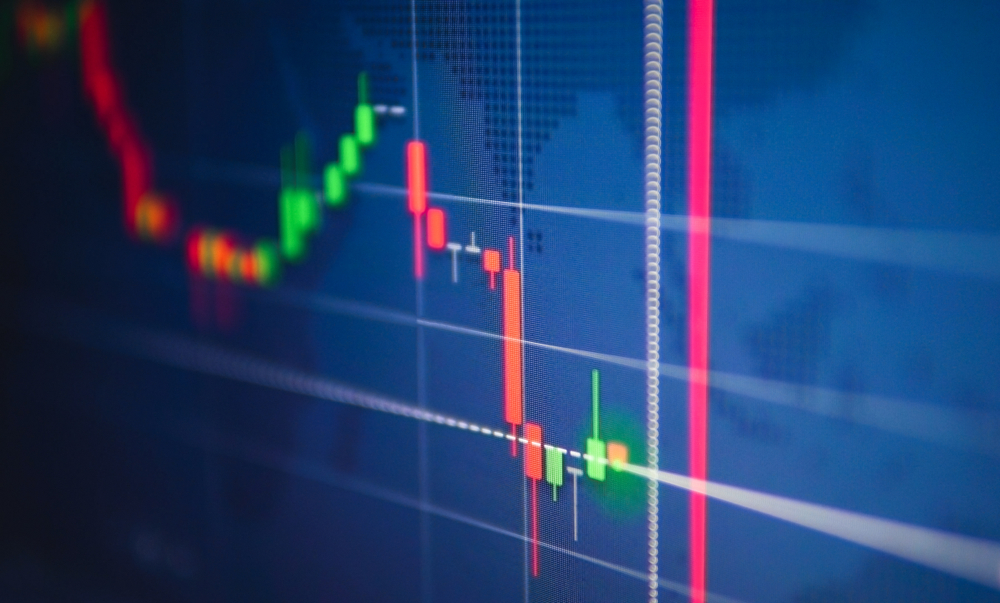
Japanese candlesticks are graphical representations of price movements over a specific time period, typically shown on trading charts. Each candlestick displays four crucial data points: the opening price, closing price, highest price, and lowest price during that period. The visual combination of the body and wicks (or shadows) tells traders a detailed story about price action and market sentiment.
The origins of Japanese candlestick patterns can be traced back to the 1700s when a Japanese rice trader named Munehisa Homma developed this system to track rice prices. His observations led to what is now known as the Japanese candlestick bible, a philosophy that sees price patterns as a reflection of human behaviour and psychology.
Modern trading platforms like Evest have adapted this historical method for digital markets, making it easier for traders to identify the underlying emotions driving market moves—greed, fear, confidence, or uncertainty. Each candlestick reveals not just price data but also the ongoing battle between buyers and sellers in a given timeframe.
In forex trading, Japanese candlesticks forex analysis remains one of the most reliable tools to spot reversals, trends, and continuation signals. They provide a clear, visual depiction of market momentum that’s far more intuitive than traditional line or bar charts.
How to Read Japanese Candlestick Patterns?
Reading Japanese candlestick patterns involves recognising shapes, sizes, and colours that indicate how prices behave over time. Each candle on the chart tells a story about market sentiment—whether buyers (bulls) or sellers (bears) are dominating.
A single candlestick can offer insights, but traders usually look for multi-candle patterns to confirm potential reversals or trend continuations. For example, a small-bodied candle followed by a large opposite-coloured candle often signals a change in momentum.
Online trading Platforms like Evest simplify this analysis with customisable charting tools that allow traders to zoom in, change timeframes, and apply indicators. By studying these patterns over time, traders develop the ability to anticipate future price movements.
Understanding Japanese candle charting techniques requires patience and practice, but once mastered, they provide unparalleled insight into market behaviour. Whether you are analysing a Japanese candlesticks hammer, a doji, or an engulfing pattern, the goal remains the same—to interpret price action in a way that enhances decision-making accuracy.
Structure of a Japanese Candlestick
Each Japanese candlestick is made up of three key components that together form its structure. Understanding this structure is essential to interpreting what the candle is telling you about the market.
Body, Wick (Shadow), and Colour
The body represents the range between the opening and closing prices. A long body suggests strong buying or selling pressure, while a short body indicates indecision. The wicks or shadows show the highest and lowest prices reached during the period.
The colour of the candle typically indicates the direction of movement—green (or white) for bullish candles where the close is higher than the open, and red (or black) for bearish candles where the close is lower.
Through Evest’s intuitive charting interface, traders can customise these colours for clarity, allowing easier distinction between bullish and bearish momentum.
Bullish vs Bearish Candles
A bullish Japanese candlestick signifies that buyers were dominant, pushing the price higher. A bearish candlestick, on the other hand, indicates sellers were in control, driving the price downward.
When traders on Evest observe a sequence of bullish candles following a period of decline, it may signal a reversal to an uptrend. Conversely, a series of bearish candles could confirm continued downward momentum.
Importance of Japanese Candlesticks in Trading
Japanese candlesticks play a key role in understanding market behaviour and price action. They help traders identify trends, reversals, and entry points with greater accuracy and confidence.
How do They Represent Price Action?
Japanese candlesticks trading is crucial because it visually captures the battle between buyers and sellers in the market. Each candlestick reflects the collective sentiment of traders within a given timeframe, revealing whether the market is bullish, bearish, or indecisive.
Unlike other charting methods, candlesticks show how price moves within the period, helping traders pinpoint precise entry and exit points. For instance, a Japanese candlestick hammer appearing after a downtrend often signals potential reversal, providing actionable insight for traders.
Why Traders Rely on Candlestick Analysis?
Traders worldwide depend on Japanese candlesticks for their simplicity and depth of information. With just one glance, you can gauge market momentum, sentiment, and volatility.
Platforms like Evest enhance this process by offering built-in analysis tools and indicators that integrate seamlessly with candlestick data. Whether you trade forex, indices, or crypto, candlestick charts are universal and adaptable, making them indispensable in modern trading.
Common Japanese Candlestick Patterns
Learning the most frequent Japanese candlestick patterns is key to mastering market analysis. Each pattern carries distinct meanings about market direction and trader psychology.
Doji
A Japanese candlestick doji has a small or non-existent body, showing that the opening and closing prices are almost equal. This pattern indicates market indecision and can appear before a potential reversal or continuation.
Hammer and Hanging Man
The Japanese candlesticks hammer pattern is a strong reversal signal, usually seen at the end of a downtrend. It features a small body and a long lower wick, showing that sellers pushed the price down before buyers regained control. The Hanging Man looks similar but occurs after an uptrend, signalling a possible reversal downward.
Engulfing Patterns
Engulfing patterns consist of two candles, where the second completely engulfs the first. A Bullish Engulfing indicates strong buying pressure, while a Bearish Engulfing reflects dominance by sellers.
Morning Star and Evening Star
The Morning Star is a bullish reversal pattern formed by three candles—a long bearish candle, a small indecisive one, and a strong bullish candle. The Evening Star is its opposite, signalling a bearish reversal.
Shooting Star
A Shooting Star pattern has a small body with a long upper wick and typically forms after an uptrend, warning traders of possible downward correction.
Advanced Japanese Candlestick Patterns
Once traders master basic forms, they can explore more complex structures to improve timing and accuracy.
Three White Soldiers
This bullish reversal pattern features three consecutive long green candles, each opening within the previous candle’s body and closing near the top, indicating strong buying momentum.
Three Black Crows
The bearish counterpart to the Three White Soldiers, this pattern consists of three long red candles, each opening within the previous candle’s body and closing near its low, signalling sustained selling pressure.
Harami Patterns
The Harami consists of two candles—the first with a large body and the second smaller, contained entirely within the first. A Bullish Harami suggests potential upward reversal, while a Bearish Harami implies downward movement.
Spinning Tops
Spinning Tops have small bodies and long shadows, showing market indecision. They often precede major market moves as traders await confirmation of direction.
Evest’s advanced Japanese candle charting techniques and educational tools make it easier to identify and interpret these patterns in real time.
Using Japanese Candlesticks in Trading Strategies
Japanese candlesticks are essential tools in building effective trading strategies. They provide clear visual insights into market trends, helping traders make informed and timely decisions.
Trend Continuation Patterns
In trend trading, certain candlestick formations suggest the existing trend is likely to continue. Examples include Rising Three Methods (bullish) or Falling Three Methods (bearish). Evest’s charting tools help confirm such trends with volume and momentum indicators.
Reversal Patterns
Patterns like Doji, Hammer, or Morning Star signal possible changes in direction. Combining these with support and resistance analysis on Evest charts helps confirm reversals with higher accuracy.
Combining Candlesticks with Technical Indicators
Professional traders enhance Japanese candlesticks trading with indicators like RSI, MACD, and moving averages. On Evest, you can overlay these indicators onto candlestick charts, combining visual pattern recognition with mathematical confirmation.
By merging Japanese candlesticks forex analysis with broader technical tools, traders can build strategies that balance visual intuition with data-driven precision.
Tips for Beginners
Trading for beginners requires patience, discipline, and continuous learning. By understanding market basics and managing risk effectively, new traders can build a solid foundation for long-term success.
Practising with Demo Accounts
Evest offers a free demo account for beginners to practise reading Japanese candlestick patterns without risking real funds. This environment allows traders to test various strategies and build confidence before entering live markets.
Recognising Key Signals
Beginners should focus on identifying major signals such as hammers, dojis, and engulfing patterns. Over time, recognising these shapes on the Evest platform becomes intuitive, improving reaction time in live trading.
Avoiding Over-Reliance on Patterns
While Japanese candlesticks are powerful, they should not be used in isolation. Successful traders combine pattern analysis with indicators, volume, and trend confirmation. Evest’s all-in-one platform allows seamless integration of all these elements.
Evest Services
Evest provides a complete range of trading services designed to support every stage of your investment journey. With advanced tools and reliable market insights, it makes trading easier and more efficient.
Commission-Free Stock Trading
Evest allows clients to trade global stocks with zero commission, making it an attractive choice for investors who want to access international markets with minimum costs.
CFD Trading
The platform provides access to a wide range of financial assets through Contracts for Difference (CFDs), including stocks, forex, indices, commodities, and cryptocurrencies. This gives traders great flexibility to diversify their strategies.
WebTrader Platform
Evest offers a WebTrader platform that works directly from the browser without the need to download extra software. It features a user-friendly interface with real-time charts and analysis tools to help investors make better trading decisions.
Copy Trading
With the copy trading service, beginners or passive investors can automatically copy the trades of professional traders. This allows users to benefit from the experience of experts and potentially generate steady profits.
Demo Account
Evest provides a free demo account where traders can practice with virtual funds. This service is especially useful for beginners to learn trading basics and test strategies without risking real money.
Islamic Trading Accounts
Evest offers Islamic (Swap-Free) accounts that are free from interest charges, making them compliant with Shariah law and suitable for Muslim traders.
Smart Analytics Tool (Evest Analytics)
The platform integrates AI-powered analytics tools that deliver accurate market insights and instant alerts, helping traders to identify investment opportunities at the right time.
Mobile Trading App
Evest provides a modern mobile application for iOS and Android, enabling users to trade anywhere, anytime, with the same tools and features available on the web platform.
Multiple Deposit & Withdrawal Options
Evest supports various payment methods for deposits and withdrawals, including:
- Credit and debit cards
- E-wallets
- Bank transfers
This ensures flexible and convenient financial transactions for traders worldwide.
In Conclusion
Japanese candlesticks are more than just charting visuals—they are a reflection of market psychology, capturing the emotions behind price movements. For traders on Evest, mastering these patterns unlocks a world of insight into momentum, reversals, and trends across all asset classes.
Whether you’re analysing Japanese candlestick forex charts or exploring stock trends, Evest provides all the tools and education needed to become proficient. With practice, patience, and the right platform, traders can transform candlestick knowledge into consistent success.
FAQs
What is a Japanese candlestick called?
A Japanese candlestick is a price bar that shows the open, close, high, and low for a trading period. It’s called a candlestick due to its resemblance to a candle with wicks.
Do Japanese candlesticks work?
Yes, Japanese candlestick patterns are widely used in modern trading because they effectively represent market psychology and price action, helping traders anticipate potential moves.
How do you read Japanese candlesticks?
You read them by analysing the body, shadows, and colour. A green or white body indicates a bullish move, while a red or black body indicates bearish sentiment.
How to trade Japanese candlesticks?
Traders combine candlestick signals with support/resistance, indicators, and volume analysis. Platforms like Evest make it easy to implement these techniques with professional tools and real-time data.