
What are long-term investments

What are long-term investments, and which are the best?

Long-term investments aim to achieve steady and sustainable returns over many years,
with less volatility than short-term investments.
Some of the best options for long-term investment include stocks, real estate, and diversified investment funds.


Topic

The Concept

The Best Types

The Importance of Diversification

Conclusion


The Concept of Long-Term Investments

Long-term investments aim to generate financial returns over a period usually ranging from five to ten years or more.
These investments tend to be less volatile than short-term investments and are suitable for individuals looking for steady and continuous capital growth over the long term.
Long-term investments can include stocks, bonds, real estate, and diversified investment funds.


The Best Types of Long-Term Investments

  • Stocks: Buying shares in strong, growing companies is one of the best options for long-term investment.
    These companies usually have strong financial performance over the years.
  • Real estate: Real estate offers more stability as it increases in value over time and
    can generate steady income through rent or profits from property sales.
  • Mutual funds: Diversified investment funds are excellent tools for long-term investment because
    They provide investors with a broader risk distribution across various stocks or assets.


The Importance of Diversification in Long-Term Investments

One important aspect that long-term investors must consider is the necessity of diversifying their investment portfolios.
By spreading capital across different types of investments, investors can reduce risk and achieve sustainable long-term growth.


Conclusion

In conclusion, long-term investments are an ideal choice for individuals seeking financial stability
and sustainable capital growth over the years.
By choosing the right investments and diversifying the portfolio,
Investors can reduce risks and increase their chances of financial success in the long run.


What is the Dow Jones Index?

What is the Dow Jones Index?
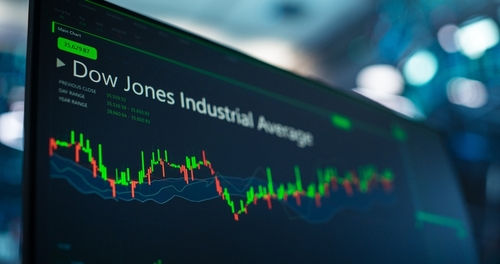
The Dow Jones Industrial Average is one of the world’s oldest and most well-known stock market indices.
Often referred to as the “DJIA” or simply the “Dow,”
it reflects the performance of a group of the largest American companies.
This article will explore what It is, how it works, and its significance in financial markets.


Topic
What is the Dow Jones Index
How Does the Dow Jones Work
The Importance of the Dow Jones Index
Conclusion


What is the Dow Jones Index


It was established in 1896 by Charles Dow and Edward Jones
to measure the performance of the largest industrial companies in the United States.
While it originally focused on the industrial sector, today,
it includes a diverse range of companies from various sectors, such as technology, finance, and retail.
The index is composed of 30 major companies and reflects the overall performance of the U.S. economy through these companies.


How Does the Dow Jones Work


It operates using a method known as “price-weighted.”
This means that higher-priced stocks have a greater influence on the index than those with lower prices.
Although this method differs from many other indices that are based on a company’s market capitalization,
it is still an effective way to track general market trends.
The companies included in the index are carefully selected to ensure they provide a balanced representation of the American economy.


The Importance of the Dow Jones Index


It is not only a tool for measuring the performance of the U.S. stock market,
but it is also a key indicator of the health of the American economy.
When the index rises, it is considered a sign of economic strength, and when it falls,
it may signal economic slowdown or market uncertainty.
Investors worldwide use It as a benchmark to evaluate
the performance of their portfolios and make informed investment decisions.


Conclusion


It remains one of the most prominent indices in global markets,
reflecting the performance of some of the most powerful American companies.
Understanding how it works and its significance can help investors make smarter financial decisions.


What is the Nikkei Stock Index and How to Invest in It?

What is the Nikkei Stock Index and How to Invest in It?

The Nikkei 225 is one of the most well-known financial indices in the world,
reflecting the performance of the largest 225 companies listed on the Tokyo Stock Exchange.
The index was established in 1950 and is considered a key benchmark
for measuring the movement of the Japanese market.
It includes companies from various industries such as technology,
automotive, and heavy industries, making it a comprehensive measure of the Japanese economy’s performance.


Topic

How to Invest in It

Why is the Nikkei Index Important for Global Investors

How Do Economic and Political Factors Affect the Nikkei Index

Conclusion


How to Invest in It

There are several ways to invest in the Nikkei Index.
The first method is to buy individual shares of the companies listed on the index.
However, the most common way is to invest
in Exchange-Traded Funds (ETFs) that track the performance of the Nikkei.
These funds provide an opportunity to invest in a wide range
of Japanese companies without the need to buy each stock individually.
Investors can also engage in futures contracts and financial options related to the index.


Why is the Nikkei Index Important for Global Investors

It serves as a key reference for global investors
who wish to monitor the performance of the Japanese market,
which is the third-largest economy in the world.
Investing in the Nikkei offers an opportunity to diversify one’s investment portfolio,
especially given Japan’s continued development in areas such as technology and industry.


How Do Economic and Political Factors Affect the Nikkei Index

Many economic and political factors influence the performance of the Nikkei Index,
such as the value of the Japanese yen, exports,
and government policies like economic stimulus or tax increases.
Monitoring these factors helps investors make smarter investment
decisions and better time their market entry and exit.


Conclusion

The Nikkei 225 Index is one of the most important financial
indicators reflecting the performance of Japan’s economy and its major companies.
Investors worldwide can benefit from the opportunities to invest in it,
whether through individual stocks or ETFs.
However, investors should consider the economic and political factors
affecting the Japanese market and make well-thought-out decisions.
Investing in It can be a powerful addition
to any investment portfolio looking for international diversification.


What is the FTSE100 Index and How Can You Trade on It?

What is the FTSE100 Index and How Can You Trade on It?

Introduction

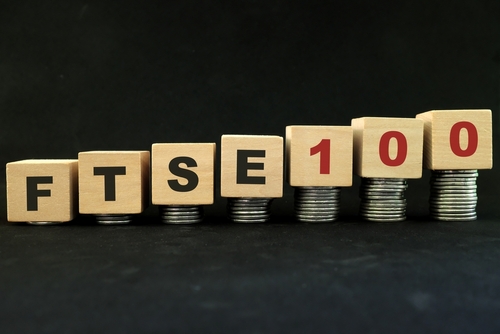
The FTSE100 is one of the most prominent global indices and is a crucial benchmark
for the financial market’s performance in the United Kingdom.
The index comprises the top 100 companies listed on the London Stock Exchange by market capitalization.
The FTSE100 includes companies from various economic sectors,
making it an essential indicator of the UK’s financial health
and a valuable tool for investors seeking to understand market trends.


Topıc

How to Trade on the FTSE100 Index

Trading Strategies and Considerations

Conclusion


How to Trade on the FTSE100 Index

There are several ways to trade on the FTSE100,
ranging from purchasing individual shares of the companies listed in the index to trading on the index
as a whole through Contracts for Difference (CFDs) or Exchange-Traded Funds (ETFs).
CFDs allow investors to benefit from the price movements of the index without owning the underlying assets.
At the same time, ETFs offer a way to invest in the index’s overall performance with reduced risk.


Trading Strategies and Considerations

When trading on the FTSE100, it is crucial to understand the factors influencing its performance,
such as economic and political developments, interest rate changes, and global commodity prices.
Traders can use technical and fundamental analysis to identify suitable trade entry points.
Additionally, it is always advisable to establish risk management strategies to avoid significant losses in a volatile market environment.


Conclusion

The FTSE100 Index reflects the financial market’s performance in the United Kingdom,
representing a significant investment opportunity for those looking to capitalize on market movements.
Trading on the index can be done by purchasing shares or using investment tools like CFDs and ETFs.
To succeed in this type of trading, it is essential to understand the factors affecting
the index and adopt well-thought-out trading strategies and effective risk management techniques.


What is the FTSE100 Index and How Can You Trade on It?

What are global financial Indices

Overview of Global Financial Indices
Global financial indices are tools used to measure the performance of various financial markets worldwide.
These indices comprise a basket of stocks or bonds representing a specific sector or an entire market.


Topıc

The Importance of Global Financial Indices

How Is It Made

Famous Global Financial Indices

How to Trade 

Trading Strategies

Conclusion


The Importance of Global Financial Indices


Financial indices play a crucial role in providing an overall snapshot of a market’s economic health.
They help investors assess the performance of different markets and make investment decisions based on market trends.


How Is It Made


Indices are composed by grouping a certain number of stocks or bonds with common characteristics,
such as belonging to the same sector or geographical market.
The index calculates the average performance of these stocks or bonds.


Famous Global Financial Indices


Some of the most well-known indices include the Dow Jones Industrial Average in the United States,
the FTSE 100 in the United Kingdom, and the Nikkei 225 in Japan.
Each reflects the financial market’s condition in its respective country and serves as an important benchmark for investors.


How to Trade


Investors can trade indices through tools such as Contracts for Difference (CFDs) or Exchange-Traded Funds (ETFs).
These tools allow investors to benefit from market movements, going up or down, without purchasing individual stocks.


Trading Strategies


Various strategies can be followed when trading indices,
such as short-term trading to capitalize on daily fluctuations or long-term investing
based on expectations of the market’s overall economic performance.


Conclusion


Global financial indices are powerful tools that provide investors with a comprehensive view of the state of financial markets.
By understanding how these indices work and using the right tools to trade them,
investors can achieve sustainable profits and diversify their investment portfolios.
Trading indices is not just an investment strategy; it’s a way to gain deeper insights into global financial market trends.


What are global financial Indices

What is the S&P 500 Standard & Poor: A Comprehensive Guide

What is the S&P 500 Standard & Poor: A Comprehensive Guide

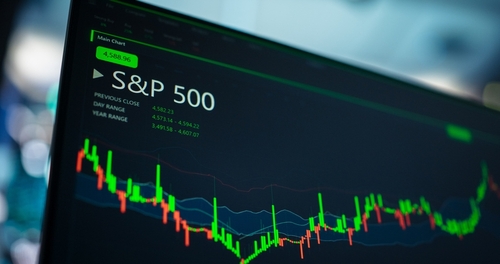
The S&P 500 is one of the most prominent stock market indices globally and
serves as a key benchmark for evaluating the performance of the U.S. market.
This index represents the performance of 500 of the largest publicly traded companies in the New York Stock Exchange and NASDAQ.
In this article, we will explore the details of the S&P 500, how it operates, and its importance to investors and the market.


Topic

Definition of It

How IT Works

Companies Included in IT

Importance of It

How to Invest in It

Risks and Benefits

Conclusion


Definition of It

The S&P 500, which stands for “Standard & Poor’s 500,”
is a market index that represents the performance of 500 of the largest American companies listed on major stock exchanges.
The index includes companies from various sectors, such as technology, finance, healthcare, and consumer goods.


How IT Works

The S&P 500 Index is calculated using a market capitalization-weighted system.
This means larger companies with higher market values have a greater impact on the index’s movement.
The index adjusts its composition based on the market capitalization of the companies,
so major companies like Apple and Microsoft significantly influence its performance.


Companies Included in IT

The S&P 500 Index includes a diverse range of prominent companies, such as:


Importance of It

The S&P 500 is a crucial index that investors and analysts use to gauge the performance of the U.S. market. It is notable for several reasons:

  • Comprehensive Market Indicator: Reflects the performance of a broad range of companies, making it an important measure of overall market health.
  • Benchmarking Tool: Used as a benchmark for mutual and exchange-traded funds (ETFs) that track the U.S. market performance.
  • Investment Option: A popular investment choice, investors can buy ETFs that track the S&P 500 to benefit from the index’s performance.


How to Invest in It

Investors can participate in the S&P 500 in several ways:

  • Buying Individual Stocks: Investing directly in the individual stocks that are part of the index.
  • Investing in ETFs: One option is to buy the SPDR S&P 500 ETF (SPY), which tracks the index’s performance.
  • Mutual Funds: Investing in mutual funds with a portfolio of stocks included in the index.


Risks and Benefits

Like any investment, investing in the S&P 500 comes with its risks, such as:

  • Market Volatility: The index can experience significant fluctuations due to economic or political events.
  • Impact of Large Companies: Major companies with significant weight in the index can greatly affect its performance.

However, investing in the S&P 500 also offers several benefits, including:

  • Diversification: Represents a diverse range of companies, reducing the risk of investing in a single company.
  • Good Growth Potential: This includes leading companies in the U.S. economy that offer potential for growth.


Conclusion

The S&P 500 is an essential tool for assessing the performance of the U.S. market and serves as a key reference for investors.
By understanding how the index operates and how to invest in it,
Investors can make informed decisions and achieve their financial goals better.


What is the S&P 500 Standard & Poor: A Comprehensive Guide

What is the American Stock Market?

The American stock market is one of the world’s largest and most significant financial markets.
It is a major platform for trading stocks and securities and plays a crucial role in the global economy.
But what exactly is the American stock market, and how does it operate? In this article,
we’ll explore various aspects of this market and its impact on the economy and investors.


Topic

Definition

How It Works

Role of It in the Economy

How to Invest in the American Stock Market

Risks and Benefits

Conclusion


Definition

Definition of the American Stock Market

The American stock market is a marketplace where investors buy and sell shares of American companies and other securities.
It includes several major exchanges, such as:

  • New York Stock Exchange (NYSE): One of the world’s oldest and largest stock exchanges,
    known for trading shares of major companies.
  • NASDAQ: A stock exchange known for its focus on technology and emerging companies, making it a leader in the tech sector.
  • AMEX (NYSE American): Less well-known than the other exchanges but includes various companies.


How It  Works

The American stock market operates through a structured trading system where investors can buy and sell stocks and other securities.
This market includes various financial instruments, such as:

  • Stocks: Ownership shares in companies that can be traded on the exchanges.
  • Bonds: Debt instruments issued by companies and governments.
  • Mutual Funds and Exchange-Traded Funds (ETFs): Allow investors to invest in diverse stocks or assets.


Role of It in the Economy

The American stock market plays a vital role in the global economy in several ways:

  • Providing Capital: Allows companies to raise money by issuing stocks and bonds, supporting their expansion and projects.
  • Economic Indicator: The stock market’s performance is often seen as a reflection of the overall economic health,
    reflecting company performance and investor confidence.
  • Investment Opportunities: Offers a broad range of investment opportunities for individual and institutional investors.


How to Invest in the American Stock Market

Investors can participate in the American stock market through various methods:

  • Buying Individual Stocks: Through trading platforms or stock brokers.
  • Investing in Mutual Funds and ETFs: These funds allow investors to gain exposure to a range of stocks or assets.
  • Online Trading: Using electronic trading platforms that provide access to American markets.


Risks and Benefits

Like any financial market, the American stock market comes with its risks, such as:

  • Market Volatility: Markets can experience significant fluctuations due to economic and political events.
  • Potential Losses: Investors might face financial losses if their investments are not managed properly.

However, the market also offers several benefits, including:

  • High Growth Potential: Particularly in leading and active companies in the global economy.
  • Investment Diversification: Provides a wide range of stocks and financial instruments.


Conclusion

The American stock market is a crucial component of the global economy,
offering significant investment opportunities and having a substantial impact on economic performance.
By understanding how the market operates and monitoring the performance of companies and financial instruments,
investors can make informed decisions and achieve their financial goals.


What is the NASDAQ 100 Index?

What is the NASDAQ 100 Index?

In the world of financial markets, the NASDAQ 100 Index stands out as one of the key indicators
used to measure the performance of stocks on the NASDAQ exchange. But what exactly is this index,
and how is it calculated? In this article,
we’ll explore the details of the NASDAQ 100 Index and its impact on investors and the market.


Topic

Definition of It

How It  Works

Companies Included in It

Importance of It 

How to Invest in It 

Risks and Benefits

Conclusion


Definition of It

The NASDAQ 100 Index is a market index that represents the performance
of the 100 largest non-financial companies listed on the NASDAQ stock exchange.
This index includes the market’s most active and valuable companies,
reflecting the performance of sectors such as technology, innovation, and consumer services.


How It Works

The NASDAQ 100 Index is calculated using a market capitalization-weighted system.
This means larger companies with a higher market value have a greater impact on the index’s movement.

The weight of each company in the index changes based on its market capitalization,

so major companies like Apple and Microsoft significantly affect the index.


Companies Included in It 

The NASDAQ 100 Index features a range of prominent companies across various sectors, including:

  • Technology: Such as Apple, Microsoft, and Alphabet (Google’s parent company).
  • Tech Services: Like Cisco Systems and Intel.
  • Consumer Services: Including Amazon and Netflix.
  • Healthcare: Such as Amgen and Biogen.


Importance of It 

The NASDAQ 100 Index is a major benchmark investors use to gauge market performance, particularly in technology and innovation. Key aspects include:

  • Innovative Focus: The index emphasizes leading companies in technology and innovation, making it a key indicator for assessing industry advancements.
  • Market Performance Measure: It helps investors understand overall market trends and evaluate the performance of large companies.
  • Investment Tool: It can also be used as an investment tool, with exchange-traded funds (ETFs) tracking the index’s performance.


How to Invest in It 

Investors can take advantage of the NASDAQ 100 Index through several methods:

  • Buying Individual Stocks: Investing directly in the stocks that comprise the index.
  • Investing in ETFs: Some ETFs track the NASDAQ 100 Index, such as the QQQ ETF.
  • Contracts for Difference (CFDs): These provide an opportunity to trade the index without directly purchasing the stocks.


Risks and Benefits


As with any investment, investing in the NASDAQ 100 Index comes with some risks, including:

  • Market Volatility: The index can experience significant fluctuations due to technological or global economic changes.
  • Sector Concentration: The index is heavily weighted towards technology, making it susceptible to shifts within this sector.


However, investing in the NASDAQ 100 Index also offers several benefits, such as:

  • High Growth Potential: Companies in the index are often at the forefront of innovation and growth.
  • Relative Diversification: Despite its focus on technology, the index includes companies from various sectors.


Conclusion

The NASDAQ 100 Index is a vital tool for investors and traders to understand and monitor the performance
of leading technology and innovative companies.
By learning how the index is calculated and its potential impacts,
investors can make informed decisions and better plan their investment strategies.


What is the NASDAQ 100 Index?


What is Forex Foreign Exchange Trading?

What is Forex Foreign Exchange Trading?

In the world of financial markets, the Forex market (short for “foreign exchange”) is one of the most dynamic and active.
But what exactly is Forex, and how does it work? In this article,
we’ll look at this exciting market and understand how trading operates.


Topic

Definition of Forex

How Forex Works

Participants in the Forex Market

Forex Trading Strategies

Risks and Benefits

Conclusion


Definition of Forex

Forex, or the foreign exchange market, is a global decentralized market where currencies are traded.
It is also known as the “currency market” or “Forex market.” Currencies are exchanged based on their current or future values,
and it is considered the largest financial market in the world in terms of volume and liquidity.


How Forex Works

Forex trading involves buying one currency while simultaneously selling another.
Currencies are traded in pairs, such as the US dollar against the euro (USD/EUR) or the Japanese yen against the British pound (JPY/GBP).
Traders open positions to buy or sell these pairs with the aim of profiting from fluctuations in currency prices.


Participants in the Forex Market

The Forex market includes a diverse range of participants, such as:

  • Major Banks: Execute large-scale trades and significantly influence exchange rates.
  • Importers and Exporters: Use the Forex market to secure exchange rates for future payments.
  • Individual Investors: Trade to profit from currency price fluctuations.
  • Institutional Traders: Includes investment funds and money management companies.


Forex Trading Strategies

There are several strategies that traders use in the Forex market, including:

  • Technical Analysis: Involves studying charts and historical data to predict future price movements.
  • Fundamental Analysis: Focuses on economic and political factors that might affect currency values.
  • Day Trading: Involves opening and closing trades within the same day to benefit from short-term price movements.
  • Margin Trading allows traders to control larger amounts of money with a smaller investment, but it carries additional risks.


Risks and Benefits

Like any investment, Forex trading has risks, such as:

  • Market Volatility: Currency prices can change rapidly and unpredictably.
  • Leverage: This can lead to significant losses if not managed carefully.

However, Forex trading also offers several advantages, including:

  • High Liquidity: Trades can be executed quickly and in large volumes.
  • Flexibility: The market operates 24 hours daily, allowing for trading anytime.
  • Profit Potential: With innovative trading strategies and thorough analysis, traders can achieve financial goals.


Conclusion

Forex trading is a complex but fascinating field that requires a deep understanding of the market and trading strategies.
By learning how the market works and participating thoughtfully,
traders can take advantage of Forex’s opportunities and reach their financial objectives.

If you are considering entering the world of Forex, conduct thorough research and understand the associated risks,
investing wisely to achieve the best outcomes.


What is Forex Foreign Exchange Trading?


What is the Difference Between Investment Funds and Stocks?

What is the Difference Between Investment Funds and Stocks?

When people start thinking about investing, they often wonder about the best ways to grow their money.
Among the most common options they encounter are investing in stocks or investment funds.
While both options aim to generate financial returns, they have fundamental differences.


Topic

Stocks

Investment Funds

Key Differences

Which is better


Stocks:

Stocks represent ownership shares in a specific company.
When you buy stock in a company, you become a part-owner,
entitled to a portion of the company’s profits if it generates any and distributes them to shareholders.
The value of stocks fluctuates based on the company’s performance and overall market conditions.
Investing in stocks can be risky since the stock price can be influenced by various factors,
including the company’s performance and broader economic and political changes.


Investment Funds:

Investment funds are pools of money collected from many investors,
managed by a professional fund manager who invests that money
in a diversified portfolio of assets such as stocks, bonds, or even real estate.
The goal is to spread risk and diversify investments to achieve stable returns.
Investors can buy units in the fund, and the value of these units is linked
to the fund’s overall performance, rather than a single stock.


Key Differences

  1. Risk and Diversification:
    • Stocks: Investing in a single stock means you are heavily reliant on the success or failure of that particular company.
    • Investment Funds: They offer significant diversification, reducing the risk associated with your investment.
  2. Management:
    • Stocks: The investor makes the investment decisions about when to buy or sell stocks.
    • Investment Funds: Managed by a professional manager who makes decisions
      on behalf of the investors, meaning you don’t need deep market knowledge.
  3. Liquidity:
    • Stocks: Stocks can be bought and sold anytime during market trading hours.
    • Investment Funds: Some funds may have lower liquidity, especially if they invest in less liquid assets like real estate.
  4. Cost:
    • Stocks: Stock price and trading fees are the primary costs when buying stocks.
    • Investment Funds: Typically involve management fees, which can vary depending on the type and management of the fund.


Which is better

The choice between stocks and investment funds depends on your investment goals,
your risk tolerance, and the time you have available to manage your investments.
If you prefer an investment based on deep analysis of companies and are willing to take on risk,
stocks might be a suitable option.
On the other hand, if you are looking for a more diversified investment
with lower risk and professional management,
investment funds might be the better choice.

In conclusion, it’s important to conduct proper research or consult a financial advisor before making any investment decision.
Understanding the available options can help you achieve your financial goals more effectively and efficiently.


What is the Difference Between Investment Funds and Stocks?