
Commodity Trading in Oman

Commodity Trading in Oman

Commodity trading is a type of financial asset trading where derivative contracts related to the actual commodity values are traded.
These contracts are sometimes known as “Contracts for Difference” or CFDs.
The basic idea behind commodity trading is to allow investors to profit from changes in commodity prices without the need to own the actual physical commodities.


Content

Steps

Importance
Challenges


Steps

Here are some fundamental steps to take when starting commodity trading:

  • Research and Learn:
    • Understand the basics of commodity trading and the impact of various factors on commodity prices. Read and research information about commodities that interest you.
  • Choose Commodities:
    • Decide which type of commodities you want to trade. It could include oil, gold, silver, grains, or any other commodity that catches your interest.
  • Open a Trading Account:
    • Open a trading account with a reliable and licensed financial broker such as Everest.
  • Learn Platform Usage:
    • Learn how to use the trading platform provided by the broker. Understand how to open and close trades and use different order types.
  • Define Trading Strategy:
    • Develop a clear trading strategy. Define the criteria for opening and closing positions and how you will manage your financial risks.
  • Monitor the Market:
    • Stay updated on market news and economic and political events that may impact commodity prices. These events can significantly affect the market.
  • Risk Management:
    • Determine a reasonable percentage of capital to allocate for each trade. Use stop-loss and take-profit orders to protect your capital.
  • Practical Experience:
    • Start trading with small positions initially to test your strategy and gain a deep understanding of market dynamics.
  • Regular Evaluation:
    • Regularly assess your performance and review your strategy. Adjust it if necessary based on experience and results.
  • Utilize Resources:
    • Take advantage of educational and analytical resources provided by the trading platform or broker to enhance your market understanding and make informed decisions.

It is crucial that trading operations be balanced and thoughtful. It is always advisable to consult with a financial advisor before making significant investment decisions.


Importance

Commodity trading holds significant importance for many investors and companies for several reasons:

  • Portfolio Diversification:
    • Commodity trading is considered an effective means to diversify an investor’s portfolio, as the performance of commodities is often linked to different factors than stocks and bonds.
  • Protection Against Inflation:
    • Some commodities, such as gold and silver, are traditionally seen as a way to protect investors against the effects of inflation on the purchasing power of their money.
  • Risk Hedging:
    • Commodity trading can provide a means for investors and companies to control risks associated with price fluctuations in commodities.
  • Profiting from Price Movements:
    • Investors can profit from price fluctuations in commodities, whether these fluctuations are caused by geopolitical, economic, or natural events.
  • Meeting Corporate Needs:
    • Companies relying on commodities in their production can use commodity contracts to hedge against price volatility and ensure continuity of operations.
  • Offering Diverse Investment Opportunities:
    • Investors can benefit from diverse investment opportunities in various sectors such as energy, agriculture, and metals.
  • Impact of Global Events:
    • Investors can capitalize on the impact of global events on commodity prices and make investment decisions based on these expectations.

Despite these benefits, investors should be aware of potential risks and adopt appropriate trading strategies based on their goals and risk tolerance.


Challenges

Despite the available opportunities in commodity trading, there are challenges that can be faced in this market:

  • Price Volatility:
    • Commodities can be subject to significant price volatility, increasing trading risks and requiring precise analysis to anticipate trends.
  • Geopolitical and Political Factors:
    • The impact of geopolitical and political events on commodities can be unpredictable and lead to sharp price fluctuations.
  • Influence of Natural Events:
    • Natural events like floods and droughts can affect commodity production, resulting in price increases.
  • Foreign Exchange Impact:
    • Commodity trading is influenced by changes in foreign exchange rates, making it more complex for investors dealing in commodity contracts denominated in foreign currencies.
  • Leverage:
    • The use of leverage can amplify profits, but it also increases risks and may lead to significant losses.
  • Demand and Supply Changes:
    • Changes in demand and supply can significantly impact commodity prices, especially in a volatile market.
  • Government Policy Effects:
    • Government decisions, such as imposing tariffs or changes in economic policies, can have a substantial impact on commodity markets.

It is always important for investors, especially those trading commodity contracts, to have a good understanding of the market and assess the risks associated with trading carefully. Thorough research before making any investment decisions is crucial.


Commodity Trading in Oman
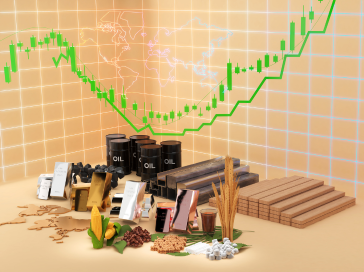
Trading commodity contracts in Saudi Arabia 

Trading commodity contracts in Saudi Arabia allows investors to trade on the rise or fall of commodity prices without the need to physically own them.
It enables trading in both current and future prices of commodities, including (oil, gold, silver, and many other commodities).


Topic

General Steps

Opportunities

Challenges


General Steps

Trading commodity contracts can be done through various markets and financial instruments. Here are general steps for trading commodity contracts:

  • Learning and Research:
    • Understand the basics of the commodity market and the impact of economic and political factors on it.
    • Study the assets you want to trade, whether it’s gold, silver, oil, or any other commodity.
  • Choose a Financial Broker:
    • Select a reliable and licensed financial broker that offers commodity contract trading services.
  • Open a Trading Account:
    • Open a trading account with the chosen broker, which may require providing personal information and verifying your identity.
  • Analysis and Decision-Making:
    • Use market analysis to understand price trends and make decisions based on technical and fundamental analysis.
  • Place Orders:
    • Based on your analysis, place trading orders, whether they are immediate market orders or pending orders.
  • Monitor and Risk Management:
    • Track the execution of your orders and regularly monitor your trading account.
    • Use risk management carefully, including setting stop-loss and take-profit orders to minimize risks.
  • Learn from Experiences:
    • Learn from your trading experiences and market movements. Continuously improve your strategies over time.

It’s important to note that trading commodity contracts involves high financial risks, and having a complete understanding of the market is crucial.
If you are unsure how to start, seeking financial advice from a professional can be helpful.


Opportunities

Trading commodity contracts offers various opportunities for investors, influenced by factors such as technical and fundamental analysis, as well as global economic events. Here are some potential opportunities:

  • Price Fluctuations:
    • Price fluctuations in commodities can be a source of profit, allowing investors to capitalize on price changes.
  • Impact of Global Events:
    • Global events, such as geopolitical crises, natural disasters, and economic events, can significantly impact commodity prices, creating trading opportunities.
  • Portfolio Diversification:
    • Trading commodity contracts provides a means to diversify an investment portfolio effectively, offering different performance from stock and bond markets.
  • Trading Futures Contracts:
    • Trading futures contracts can have benefits, as investors can agree to buy or sell a specific commodity at a predetermined price in the future.
  • Profiting from Price Movements:
    • Investors can profit from both rising and falling commodity prices, either through buying (going long) or selling (going short).
  • Currency-Commodity Trading:
    • Currency contracts related to commodities, like the Australian Dollar/Canadian Dollar, provide additional trading opportunities.

It’s crucial to be aware of the risks associated with trading commodity contracts and have an effective strategy for risk management.
Continuous research and learning are recommended before engaging in commodity trading, and consulting with a financial advisor can be beneficial.


Challenges

Trading commodities involves several challenges that investors should be aware of. Here are common challenges in commodity trading:

  • Price Volatility:
    • Commodity markets are known for significant price volatility, which can lead to substantial losses if risks are not managed carefully.
  • Geopolitical and Global Events:
    • Geopolitical events and global occurrences can have a significant impact on commodity prices, posing challenges in predicting changes and making informed decisions.
  • Leverage:
    • While leverage can amplify profits, it also increases the risk of losses, and managing leverage effectively is crucial.
  • Weather and Climate Impact:
    • Agricultural commodities are heavily influenced by weather conditions. Adverse weather can negatively impact production and lead to price increases.
  • Technological Costs and Market Access:
    • Trading commodities electronically depends on access to trading platforms and technological tools, which may involve associated costs.
  • Changes in Supply and Demand:
    • Changes in consumption and production patterns can affect commodity prices. For example, fluctuations in oil demand and supply can impact prices.

It’s emphasized that trading commodities requires a good understanding of these challenges and an effective risk management strategy.
Striking a balance between potential gains and risks is a crucial part of successful commodity trading.


Trading commodity contracts in Saudi Arabia

Oil Contracts in the UAE

Oil Contracts in the UAE

Trading oil contracts online is considered a common and effective way to invest in oil,
and you can do so in the UAE through Contract for Difference (CFD) trading platforms.


Topic

How to Trade

Opportunities

Challenges


How to Trade

Opening a Trading Account:

Open an online trading account with Everest. You will need to go through the registration process, provide some personal information, and possibly verify your identity.

Deposit and Account Management:

Deposit funds into your trading account. After that, you can manage your account, monitor your performance, and track prices through the provided trading platform.

Choosing oil Contracts:

Once your trading account is open, look for available oil CFDs on the platform and choose contracts that align with your strategy and interests.

Placing Orders:

You can place buy or sell orders based on your expectations regarding oil price movements. CFD trading allows you to benefit from price movements in both directions (upward or downward).

Risk Management:

Define a risk management strategy and use stop-loss and take-profit orders to protect your capital.


Opportunities

Investing in Upward and Downward Movements:

  • Investors can benefit from trading opportunities in both directions – whether oil prices are rising or falling – by buying or selling CFDs.

Portfolio Diversification:

  • Trading oil contracts is considered an effective way to diversify an investor’s portfolio, serving as part of a broader investment strategy.

Leverage Effect:

  • The ability to use leverage means you can trade with larger amounts than you have in your account, providing opportunities for larger profits. However, leverage should be used cautiously to avoid excessive risks.


Challenges

Market Risks:

  • The oil market is characterized by strong dynamics and significant volatility. Unexpected fluctuations can impact oil prices, necessitating a thorough understanding of market risks.

Global Events Impact:

  • Global economic and political events can significantly influence oil prices. Challenges such as inflation or economic crises can affect the market either positively or negatively.

Regulations and Controls:

  • Specific regulations and controls may exist for trading contracts in some countries, potentially affecting access to certain trading opportunities.

Technical and Fundamental Analysis:

  • Successful trading in oil contracts requires a good understanding of both technical and fundamental analysis, which can be a challenge that requires learning and experience.


To achieve success in trading oil contracts in the UAE, it is advisable to have a deep understanding of the market and a high level of risk awareness. Always be mindful of the risks associated with CFD trading and the importance of understanding the terms and conditions. Additionally, researching and consulting analysts’ opinions about the market before making any decisions is recommended.


Oil Contracts in the UAE

Trading Gold Contracts in Kuwait

Trading Gold Contracts in Kuwait

Trading gold contracts, like any investment activity, carries potential risks. In this article, we will discuss the key points that affect gold trading.


Topic

Steps to Open a Trading Account

Risks

Important Tips


Steps to Open a Trading Account:

Find a Reliable Broker:

  • Search for a reputable and licensed financial broker to provide trading services, such as Everest.

Fill Out the Registration Form:

  • Locate the registration section on the website and complete the registration form.
    You will need to provide personal information and banking details to fund your trading account.

Verify Your Identity:

  • Submit documents to verify your identity and address, such as a passport and utility bill.

Fund Your Account:

  • After registration and verification, fund your trading account using available payment methods like bank transfers or credit cards.

Download the Trading Platform:

  • Download and install the online trading platform or use the Everest mobile application.

Select the Assets to Trade:

  • Choose the assets you want to trade, whether forex contracts, stocks, or commodities like gold.

Place Your First Trade Order:

  • Initiate your first trade order and start interacting with the trading platform.

Manage Your Account:

  • Monitor your account’s performance and practice careful risk management.


Risks:

Price Volatility:

  • Gold prices are influenced by market fluctuations and various economic and geopolitical factors, leading to sharp price changes.

Leverage:

  • If using leverage in trading, it can amplify losses along with potential profits.

News and Events Impact:

  • Economic and geopolitical events can significantly affect gold prices, causing sudden fluctuations due to unexpected news.

Insufficient Information Availability:

  • Difficulty in obtaining accurate and reliable market information may lead to misguided decisions.

Changes in Supply and Demand:

  • Alterations in gold supply and demand levels can result in price fluctuations.

Regulatory Risks:

  • Trading operations may be affected by regulatory changes and market legislation.

Lack of Adequate Training:

  • Inexperienced traders may face increased risks if not familiar with trading processes and strategies.

To minimize risks, be prepared to invest an amount you can afford to lose.
Always conduct thorough research and consult with a professional financial advisor before making any trading decisions.


Influencing Factors:

Some factors influencing gold contracts trading include:

Global Economic Conditions:

  • Events like inflation and monetary policies can impact the value of gold.

Geopolitical Tensions:

  • Geopolitical events, such as international conflicts or crises, may increase demand for gold as a safe haven.

Currency Fluctuations:

  • Changes in currency values can affect commodity prices, including gold.

Supply and Demand:

  • Shifts in the supply and demand dynamics can influence gold prices.

Technical and Fundamental Analysis:

  • Traders often use technical and fundamental analysis to understand price patterns and potential trends.

Market Volatility:

  • Daily market fluctuations and economic news play a role in gold trading.


Important Tips:

Continuous Learning:

  • Understand the basics of the gold market and stay updated on economic and geopolitical developments.

Set Goals and Strategies:

  • Define your investment goals and establish a clear trading strategy, determining when to enter and exit the market.

Risk Management:

  • Set a specific percentage of capital you can afford to lose in a single trade. Avoid large risks and use risk management tools like stop-loss orders.

Use Technical and Fundamental Analysis:

  • Combine technical and fundamental analysis to comprehend gold price movements and potential trends.

Balance Leverage:

  • If using leverage, ensure you understand how it works and mitigate risks by choosing a reasonable leverage ratio.

Analyze Liquidity:

  • Ensure there is sufficient liquidity in the gold market for efficient trade execution without significant price slippage.

Monitor Economic News:

  • Stay informed about economic news and geopolitical events that may impact gold prices.

Test Your Strategy:

  • Test your trading strategy on a demo account before engaging in real trading.

Regularly Update Plans:

  • Reevaluate and update your trading plans according to changes in the market.

Always remain calm during trading, avoiding hasty decisions based on emotions.
Remember that trading involves risks, and no trading method guarantees profit in every transaction.
Consult a financial professional if uncertain about your trading decisions.


Trading Gold Contracts in Kuwait


Opportunities and Challenges for Commodity Trading in Bahrain

Opportunities and Challenges for Commodity Trading in Bahrain

Commodity contracts can be traded through various financial markets and accredited brokers.
Commodity contracts encompass a wide range of products such as oil, natural gas, gold, silver, and many other commodities.


Topic

trade commodity contracts

Opportunities for Commodity Trading in Bahrain include

Challenges for Commodity Trading in Bahrain include


trade commodity contracts

To trade commodity contracts in Bahrain, the following steps can be followed:

Familiarize Yourself with Financial Markets:

  • Examine the available financial markets in Bahrain that offer commodity contract trading. These markets can be local or international.

Select a Reliable Broker:

  • Look for a licensed and accredited financial broker to provide commodity contract trading services in Bahrain, such as Everest.

Open a Trading Account:

  • You need to open a trading account, providing some personal information, confirming your identity, and possibly depositing funds to start trading.

Market Analysis:

  • Understand market movements and price trends for the commodities you intend to trade. Use technical and fundamental analysis to make trading decisions based on data and economic events.

Start Trading:

  • After setting up the account and understanding the market, you can commence trading by placing orders and monitoring your performance through the trading platform.

Risk Management:

  • It is crucial to use effective money management to minimize risks. Utilize stop-loss and take-profit orders to protect your investment.


Opportunities for Commodity Trading in Bahrain include:


Commodity Diversity:

  • Bahrain offers opportunities to trade a broad range of commodities, including strategically significant products like oil and natural gas on a global scale.

Trading Opportunities for Other Commodities:

  • Trading opportunities may also be available for other commodities such as precious metals (gold and silver) and agricultural products (wheat and sugar).

Advanced Trading Environment:

  • Bahrain possesses advanced infrastructure and technology, facilitating efficient electronic trading operations.

Strategic Location:

  • Bahrain’s central location in the Gulf region makes it a strategic hub for commodity trading, acting as a convergence point for trade among Gulf countries.

Stable Legislative and Economic Environment:

  • Political and economic stability in Bahrain contributes to creating a conducive environment for commodity trading and attracting investors.


Challenges for Commodity Trading in Bahrain include:

Impact of Oil Prices:

  • Bahrain’s economy heavily depends on oil and gas exports, making it susceptible to fluctuations in global oil prices.

Geopolitical Volatility:

  • The Gulf region occasionally experiences geopolitical tensions, which can impact market safety and stability.

Global Events’ Ramifications:

  • Global events like trade disputes or economic crises can affect commodity prices, making markets less stable.

Regulatory Restrictions:

  • Trading certain commodities may face regulatory restrictions, requiring investors to comply with specific requirements and laws.

Environmental and Sustainability Effects:

  • With increasing awareness of environmental and sustainability issues, new challenges may arise in trading environmentally-related commodities.

To overcome these challenges, investors and traders should carefully research and implement strategic approaches.


Opportunities and Challenges for Commodity Trading in Bahrain

Trading Stock Contracts in the Oman Financial Market

Trading Stock Contracts in the Oman Financial Market

Stock trading is a crucial activity in financial markets, playing a vital role in stimulating economic growth.
The Oman Financial Market has evolved to include trading in stock contracts,
providing investors with opportunities to diversify their investments.


Topic

Understanding Stock Contracts

Steps to Open a Trading Account

Challenges and Opportunities in the Future


Understanding Stock Contracts:

Stock contracts refer to agreements that allow investors to buy or sell specific quantities of stocks at a predetermined price on a future date.
These contracts rely on the movements of stock prices in the primary market.


Features and Benefits of Trading Stock Contracts in the Oman Market:

  • Diversification of Investments: Trading stock contracts allows investors to diversify their portfolios without the need to directly purchase stocks.
  • Leverage: Stock contracts may offer leverage, enabling the potential for substantial profits with a small investment.
  • Risk Reduction: Investors can use stock contracts to reduce risks by controlling trade volumes and placing stop orders.


Steps to Open a Trading Account:


Opening a trading account is the first step for investors looking to engage with financial firms or brokers for executing buy and sell transactions in financial markets. The steps may vary slightly among different brokers and markets, but generally, the process of opening a trading account on the exchange can be summarized as follows:

  • Fill Out the Opening Form:
    • Typically, you need to fill out an account opening form providing personal information such as your name, date of birth, and financial details.
  • Submit Documents:
    • Submission of documents to verify your identity and address, such as a passport or ID card, and a utility or bank statement.
  • Identity Verification:
    • In some cases, there may be a process to verify your identity, which could include submitting a photo or undergoing a phone call.
  • Fund Your Account:
    • After the account is accepted, you’ll need to fund it by transferring money from your bank account to your trading account.
  • Download the Trading Platform:
    • Download the provided trading platform, which could be a web-based platform or a mobile application.
  • Familiarize Yourself with the Platform:
    • Get acquainted with the user interface and tools available on the platform. Brokers may also offer a demo account for practicing trading without real money.
  • Start Trading:
    • After funding the account and becoming familiar with the platform, you can begin executing trading transactions in the markets.


Challenges and Opportunities in the Future:

The trading industry is a dynamic field facing multiple challenges and opportunities.
Trading is influenced by economic, technological, legal, and social factors,

creating a complex and ever-changing environment.
Here’s a look at some challenges and future opportunities in the trading industry:


Challenges:

  • Regulations and Compliance:
    • Changes in regulations and compliance requirements can impact trading methods, requiring swift adaptation from brokers and investors.
  • Technology and Digital Transformation:
    • Rapid technological advancements may render traditional systems inefficient, opening the door to security challenges and electronic threats.
  • Market Volatility:
    • Market fluctuations can pose challenges, especially with the influence of global economic and political events.
  • Complexity of Financial Instruments:
    • The increasing complexity of financial instruments and derivatives can make market understanding and analysis more challenging.
  • Security and Privacy Challenges:
    • Growing security threats and hacking incidents pose challenges to investment portfolios and personal information safety.


Opportunities:

  • Artificial Intelligence and Data Analytics:
    • Utilizing artificial intelligence and data analytics can enhance data understanding, leading to more intelligent trading decisions.
  • Innovation in Financial Technology (Fintech):
    • Fintech innovations open avenues for creative solutions such as financial apps, blockchain technologies, and decentralized finance.
  • Expanding Access for Individual Investors:
    • Modern technologies provide an opportunity for individual investors to participate more actively in markets through user-friendly platforms with lower costs.
  • Diversification in Investments:
    • Expanding the range of available financial tools can offer investors opportunities for portfolio diversification.
  • Continuous Improvement of Financial Education:
    • Providing more resources for investor education on trading fundamentals and techniques can increase awareness and readiness for risks.


In conclusion, trading reflects the shifts in the global economy and technological innovation. Despite challenges,
opportunities arise for adaptation and the development of new methods and strategies.


Trading Stock Contracts in the Oman Financial Market


Trading Oil Contracts in Qatar: Key to Economic Sustainability

Trading Oil Contracts in Qatar: Key to Economic Sustainability:

Qatar, being one of the world’s largest exporters of oil and natural gas,
Serves as a key hub for trading oil contracts.
This industry plays a vital role in achieving the economic stability of the country,
providing oil trading through contracts with investment opportunities
and a significant impact on Qatari financial markets.


Topic

The Importance of Oil in Qatar’s Economy

Steps to Open an Account for Oil Trading in Qatar

Conclusion


The Importance of Oil in Qatar’s Economy:

The oil and natural gas industry in Qatar is a major source of national revenue.
While the Qatari government is diversifying its economy, oil continues to play a crucial role in supporting economic growth.
This is due to Qatar’s heavy reliance on energy exports, making trading oil contracts indispensable.


Qatar as a Trading Hub for Oil:

Qatar holds a vital position as a trading hub for oil in the region.
Hamad Port, located in Ras Laffan, serves as a primary gateway for oil and gas exports.
Additionally, Doha hosts the Qatar Commodity Exchange,
where investors can trade futures contracts for oil and related products.


Impact on the Qatari Economy:

Trading oil contracts contributes to enhancing liquidity in Qatari financial markets,
strengthening the economy’s ability to face challenges.
Diversifying revenue sources and investing in sustainable economic projects are key goals of the Qatari government,
and trading oil contracts contributes to realizing this vision.


Improving Investment Environment:

Qatar provides a conducive investment environment for trading oil contracts,
supported by advanced infrastructure and flexible regulations that attract more investors.
Investors benefit from available investment opportunities in trading oil contracts as an effective means to achieve good financial returns.


Challenges and Future Opportunities:

Despite optimism, the oil market also faces challenges, such as fluctuations in global oil prices.
Achieving sustainability in trading oil contracts in Qatar requires responding to these challenges
and seeking opportunities to enhance innovation and trading efficiency.


Steps to Open an Account for Oil Trading in Qatar:

Research and Choose:

  • Research and choose a reliable, licensed broker that offers oil contract trading services.
    Everest Brokerage meets your needs and provides a trading platform suitable for your experience level.

Understand Trading Requirements:

  • Understand the terms and conditions related to oil trading, including leverage, margin, and fees.
    Familiarize yourself with available assets for trading and the associated financial details.

Open a Trading Account:

  • Follow the procedures to open a trading account, which may require providing some personal information and identity documents.

Submit Documents:

  • You may be required to submit documents proving your identity and address, such as a passport and utility bill or bank statement.
    This is to verify your identity and ensure compliance with anti-money laundering standards.

Fund the Account:

  • After activating your trading account, fund it through a bank transfer or credit card.

Download the Trading Platform:

  • Download and install the trading platform provided by the broker.
    You should be familiar with how to use it, analyze charts, and execute trades.

Learn and Train:

  • Before starting real trading, familiarize yourself with the various features of the trading platform and practice using it with a demo account if available.

Start Trading:

  • When ready, start trading oil contracts through the trading platform. Analyze the market, make informed decisions, and manage capital carefully.

Monitor and Evaluate:

  • Regularly monitor your account performance, evaluate trades, and the strategies you employ. You may need to adjust your approach based on your experiences.

Update Account Information:

  • Ensure to periodically update your account information and stay informed about any changes in terms and conditions with the broker.


Conclusion:

Oil contracts remain a crucial element in enhancing the stability of the Qatari economy.
By providing investment opportunities and stimulating economic growth, these contracts are strategically important for Qatar,
contributing to the achievement of economic diversification and sustainability goals.


Trading Oil Contracts in Qatar: Pillar of Qatar’s Economic Sustainability


Trading Gold Contracts in the UAE: Opportunities and Challenges

Trading Gold Contracts in the UAE: Opportunities and Challenges

The United Arab Emirates (UAE) is witnessing sustainable economic growth and diversification across various sectors,
with gold futures trading being one of the key markets in the region.
Gold contracts are popular among investors and traders due to the inherent stability and reliability associated with gold as a precious metal.


topic

Structure of the Gold Contracts Trading Market in the UAE

Steps to Open a Trading Account

conclusion


Structure of the Gold Contracts Trading Market in the UAE:

The UAE provides a sophisticated business environment for gold futures trading,
with numerous financial institutions and banks participating in offering this service.
Investors can trade gold contracts through various electronic platforms,
providing them with easy and quick access to this market.


Available Opportunities:

  • Investment Diversification: Investors can diversify their portfolios through investments in gold contracts,
    helping them mitigate risks and enhance financial stability.
  • Preserving Value: Gold is considered one of the most stable metals, used as a means to protect asset value during periods of economic instability.


Challenges:

  • Price Volatility: Gold prices are influenced by various factors such as inflation and monetary policies, making them susceptible to fluctuations.
  • Geopolitical Impact: Geopolitical events can influence gold prices, rendering the market sensitive to global occurrences.


Future Guidance:

Forecasts indicate continued growth in the gold contracts market in the UAE,
driven by increasing demand for this precious metal as a means of protection and investment.
The UAE government is expected to continue enhancing regulations and
infrastructure to encourage more investors to engage in the gold trading market.


Steps to Open a Trading Account:

Visit the Company’s Website:

  • Go to the Everest website or contact the company for information on how to open a trading account.

Fill Out the Application Form:

  • The company may require you to fill out an application form to open an account.
    This form typically includes personal information and the required trading account details.

Submit Documents:

  • You need to submit the required documents along with the application form.
    This usually includes a copy of your ID card, proof of residence, and any other documents required by the company.

Fund the Account:

  • After the account opening request is accepted, you’ll need to fund the account.
    This can be done by transferring funds from your bank account to your trading account.

Download and Install the Trading Platform:

  • If you’re using an electronic trading platform, you may need to download and install the company’s software on your computer or use an online version.

Start Trading:

  • After completing the previous steps, you can start trading on the company’s platform.
    Conduct market analysis and make informed decisions based on your trading strategy.


conclusion

gold contracts remain an attractive option for investors in the United Arab Emirates,
providing them with the opportunity to diversify their portfolios and benefit from the features of gold as a safe haven amid global economic uncertainties.


Trading Gold Contracts in the UAE: Opportunities and Challenges

Commodity Trading in Kuwait: Opportunities and Risks

Commodity Trading in Kuwait: Opportunities and Risks: Kuwait is a growing market for commodity trading,
and the sector has experienced rapid growth in recent years.


Topic

Factors Affecting the Kuwaiti Market

Trading risks

Steps to Open a Trading Account


Factors Affecting the Kuwaiti Market

This is due to several factors, including:

  • Economic growth in Kuwait: Kuwait has a strong economy that is expected to continue growing in the coming years.
    This growth will increase commodity demand, thus increasing investment opportunities in this sector.
  • Increased foreign investment in Kuwait: Kuwait attracts foreign investment from around the world,
    including investment in the commodity sector. This will lead to increased liquidity in the market, thus increasing trading opportunities.
  • Technology advancements: Advances in commodity trading technology have made it easier for investors worldwide to access the Kuwaiti market.
    This will lead to increased competition in the market, thus increasing profit opportunities.


Trading risks

Despite the promising opportunities offered by commodity trading in Kuwait,
it is essential to be aware of the potential risks that investors may face, which include:

  • Price volatility: Commodity prices are characterized by high volatility, which can lead to significant losses for investors.
  • Speculation: The commodity market sees a lot of speculation activity, which can lead to unjustified price fluctuations.
  • Political risks: Global political events can affect commodity prices, which can lead to losses for investors.

To reduce potential risks, investors in Kuwaiti commodities should follow the following tips:

  • Do your research before investing: Investors should research the commodities they want to invest in to understand supply and demand factors.
  • Risk management tools: Investors should use risk management tools like stop-loss to reduce potential losses.
  • Trade with a small capital: New investors should trade with a small capital to reduce potential risks.

Here are some of the commodities that are traded in Kuwait:

  • Oil: Oil is one of the most essential commodities traded in Kuwait, as the country has large oil reserves.
  • Gold: Gold is a safe commodity traded in Kuwait.
    It is used as an investment tool and protection against inflation.
  • Silver: Silver is a commodity with similar properties to gold and is traded in Kuwait.
  • Grains: Grains are traded in Kuwait and used in the food industry.
  • Fertilizers: Fertilizers are traded in Kuwait and used in agriculture.


Steps to Open a Trading Account

To open a trading account, you must follow the following steps:

  1. Choose a brokerage firm: You can open a trading account with Evest.
  2. Register with the brokerage firm: After choosing one,
    you must register with it by providing personal information, such as your name, address, and phone number.
  3. Submit the required documents: The brokerage firm may request some documents to verify the trader’s identity,
    such as a copy of your passport or national ID.
  4. Fund the account: After opening it, you must fund it with the capital you want to trade with.
  5. Learn the basics of trading: Before you start trading, you must learn the basics,
    such as how to read a chart and analyze the market.

In conclusion, commodity trading in Kuwait is a promising opportunity for investors.
With the experience and knowledge necessary to reduce potential risks.


Commodity Trading in Kuwait: Opportunities and Risks

Gold Trading in Saudi Arabia

Gold Trading in Saudi Arabia

Gold is one of the most popular investment assets in the world,
as it is seen as a safe haven in times of economic crisis.
It is also an asset with low volatility, making it a good option for investors looking for a steady income.


Topic

Details

Gold trading in Saudi Arabia online

Steps to trade gold online

Conclusion


Details

In Saudi Arabia, gold trading is very popular, as it is considered a safe way to invest and preserve wealth.
There are two main ways to trade gold in Saudi Arabia, namely:

  • Buying physical gold
  • Trading gold futures contracts


Buying physical gold

Buying physical gold involves buying gold bars or gold coins, and then storing them in a safe place. This option is the most secure, as the ownership of the gold remains with the investor. However, this option also requires the cost of storing gold, in addition to the risks of losing or stealing the gold.


Trading gold futures contracts

Trading gold futures contracts involves buying or selling contracts to buy or sell a certain amount of gold at a certain price on a certain date in the future. This option is less expensive than buying physical gold, and it also does not require storing gold. However, this option carries more risk, as the investor may be exposed to losses if the price of gold falls before the contract expiration date.


Gold trading in Saudi Arabia online

Investors in Saudi Arabia can trade gold online through licensed financial brokerage firms. These companies offer a variety of products and services that allow investors to trade gold easily and securely.


Steps to trade gold online


Here are the steps to trade gold online in Saudi Arabia:

  • Choose a financial brokerage firm

The first step is to choose a financial brokerage firm that offers gold trading services. Evest is a licensed firm by the Saudi Arabian Capital Market Authority.

  • Open a trading account

After choosing a financial brokerage firm, you need to open a trading account with the firm. This is done by providing some personal information and financial data.

  • Deposit funds

Before you start trading gold, you need to deposit funds into your trading account. You can deposit funds using a credit or debit card, or a bank transfer.

  • Choose a trading method

There are two main ways to trade gold online, namely:

  • Direct trading

In direct trading, the investor enters buy or sell orders directly into the market. This option requires some experience and skills in technical analysis.

  • Automated trading

In automated trading, the investor uses trading robots to issue buy or sell orders automatically based on predetermined rules. This option is suitable for investors who do not want to follow the market on a continuous basis.

  1. Monitor the market

After opening the trade, you need to monitor the market on a continuous basis to monitor the movements of gold prices. You can do this through your trading platform or through other media sources.

Tips for trading gold in Saudi Arabia


Here are some tips for investors who want to trade gold in Saudi Arabia:

  • Start with a small amount

If you are a beginner in gold trading, it is best to start with a small amount until you learn the basics of trading.

  • Do your research

Before you start trading gold, it is important to do your research about the market and understand the factors that affect gold prices.

  • Use risk management tools

It is important to use risk management tools to reduce the risks associated with gold trading. These tools can include the use of stop-loss and take-profit orders.

  • Be patient

Do not expect to make quick profits from gold trading. It may take some time to learn how to trade successfully.


Conclusion

Gold trading in Saudi Arabia is a popular investment option, as it offers investors the opportunity to invest in one of the most popular assets in the world. However, it is important to understand the risks associated with gold trading before you start.


Gold Trading in Saudi Arabia