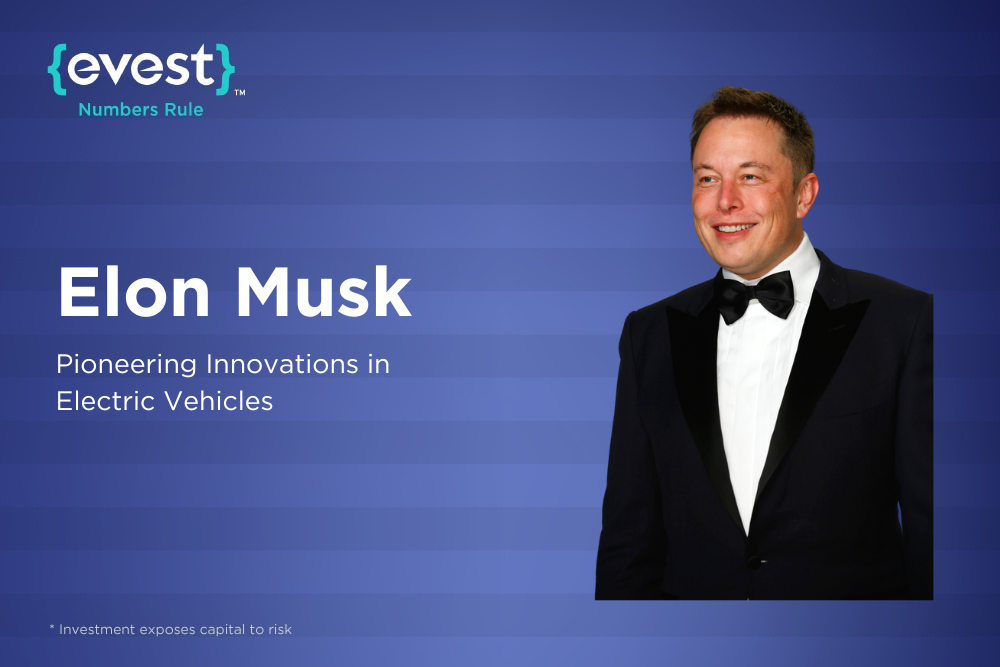
Tesla’s $145 Billion Market Value Decline

Tesla’s $145 Billion Market Value Decline: Unraveling the Electric Storm

The Global Automotive Upheaval

The automotive industry, a behemoth in the world of commerce, is currently facing a major shakeup. In recent times, Tesla has been making headlines for the wrong reasons. The electric vehicle (EV) giant has lost a staggering $145 billion in market value due to a decline in demand. As a result, the stock has plummeted by 20% since the announcement of third-quarter earnings, casting a pessimistic shadow over the entire automotive sector. Electric vehicles, in particular, find themselves at the epicenter of this financial storm, with warnings and concerns piling up as investors question the company’s ability to stimulate demand.


Topıc

Understanding Tesla’s Market Value Decline

Tesla’s Resilience

Conclusion


Understanding Tesla’s Market Value Decline

In this comprehensive article, we will delve deep into this crisis and provide insights that shed light on the current situation. Our goal is to offer a balanced perspective on Tesla’s challenges while remaining optimistic about its future. Let’s navigate through the following topics to gain a holistic understanding of the situation:


The Reasons Behind the Decline

The automotive world has been buzzing with news of Tesla’s $145 billion market value decline. Such a dramatic drop inevitably raises questions about the future of electric vehicles and the automotive industry as a whole. This article aims to provide clarity on the situation, exploring the reasons behind this decline and what it means for Tesla and its investors.


Factors at Play

Tesla’s market value decline can be attributed to a series of interconnected factors, including a dip in consumer demand, third-quarter earnings, and pessimistic market outlooks. This section will dissect each component to understand how they collectively impact Tesla’s financial standing.


Impact on Tesla

As one of the leading players in the electric vehicle industry, Tesla’s market value decline has significant repercussions for the company. We’ll examine how this decline affects its operations, strategies, and long-term goals.


Multifaceted Reasons

A deep dive into the multifaceted reasons behind Tesla’s market value decline is essential. We’ll look at economic, industry-specific, and global factors that have influenced this downturn.


Electric Vehicle Challenges

Electric vehicles are at the heart of this crisis, bearing the brunt of declining cost-bearing capacity. To understand the full picture, we’ll explore the challenges faced by the EV market, which has a direct impact on Tesla’s fortunes.


Tesla’s Resilience

Despite the challenges, Tesla has been known for its innovative spirit and resilience. We’ll explore how the company has navigated past crises and its potential to innovate its way out of this current predicament.


Investor Concerns

Investors are naturally concerned about their financial interests. This section addresses the specific concerns raised by investors in the wake of Tesla’s market value decline.


Shifting Consumer Behavior

Understanding the evolving preferences of consumers is crucial.
We’ll examine how changes in consumer behavior and values influence the demand for electric vehicles and how Tesla is adapting.


Government Regulations

Government policies and regulations play a pivotal role in the electric vehicle industry.
We’ll investigate how these factors impact Tesla’s operations and market outlook.


Competitive Landscape

Tesla is not the sole player in the electric vehicle market.
This section looks at the competitive landscape and how other companies affect Tesla’s market position.

The future holds both challenges and opportunities for Tesla.
We’ll take a forward-looking approach to discuss what lies ahead for the electric vehicle giant.


Conclusion

In conclusion, Tesla’s $145 billion market value decline, while significant, is not insurmountable.
This article has provided a comprehensive view of the situation,
and the FAQs have addressed common queries surrounding this issue.
As the automotive sector continues to evolve,
Tesla’s ability to adapt and innovate will be crucial for its future success.


Tesla’s $145 Billion Market Value Decline
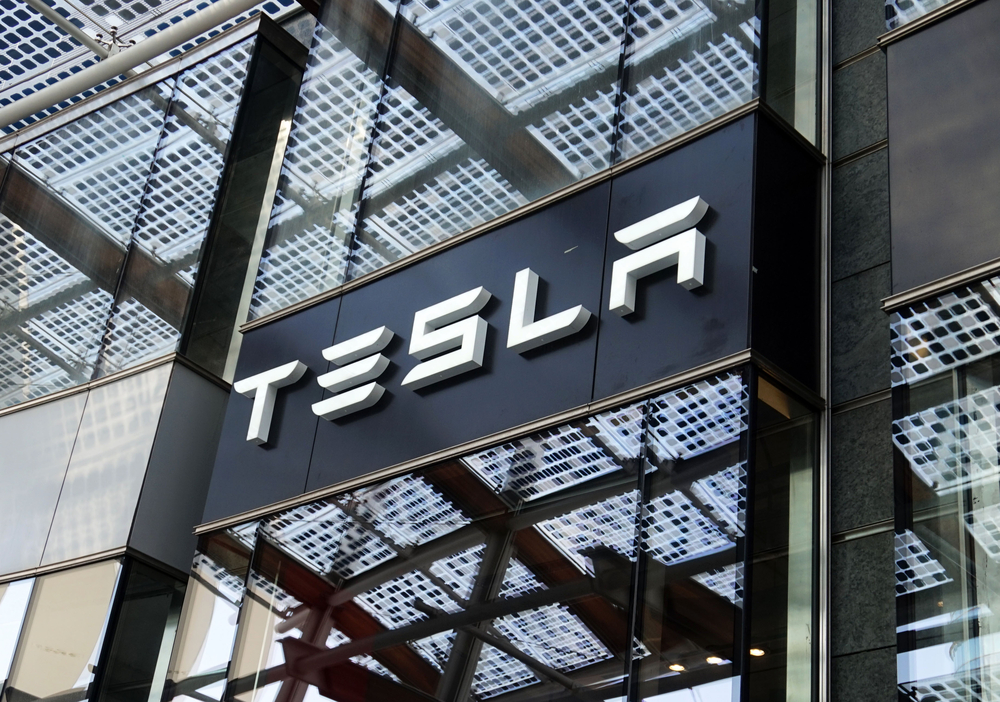
BP Pulse’s $100 Million Partnership with Tesla

BP Pulse’s $100 Million Partnership with Tesla for Ultra-Fast EV Charging

In a groundbreaking move, BP (LON:BP) has made a momentous announcement.
On Thursday morning, the oil and gas giant’s EV charging business, bp Pulse,
unveiled a game-changing partnership with electric automaker Tesla (NASDAQ:TSLA).
This deal, valued at an impressive $100 million, will reshape the landscape of electric vehicle charging.
Let’s dive into this exciting development!


topic

A Powerful Partnership

The Tesla Advantage


A Powerful Partnership

BP Pulse’s strategic move to acquire ultra-fast charging hardware
units from Tesla is a testament to the growing importance of electric vehicle infrastructure.
Starting in 2024, Tesla’s cutting-edge chargers will be deployed at key sites across the extensive BP family of brands.


Key Deployment Locations

The first installation sites have been carefully selected to maximize accessibility and convenience for EV users.
These initial locations include major metropolitan areas such as Houston,
Phoenix, Los Angeles, Chicago, and Washington, D.C.


Revamping the Charging Landscape

This collaboration is set to revolutionize the EV charging experience, making it faster and more efficient than ever before. The accessibility of these chargers at key sites will undoubtedly encourage more drivers to switch to electric vehicles,
thus reducing our carbon footprint and benefiting the environment.


Driving the Future

As we look ahead, it’s evident that the automotive industry is undergoing a profound transformation.
With the adoption of electric vehicles on the rise,
this partnership between BP and Tesla couldn’t have come at a better time.


The Tesla Advantage

Tesla’s reputation for innovation and cutting-edge technology makes them the perfect partner for this venture.
Their ultra-fast chargers are known for their reliability and speed, providing an excellent experience for EV users.


Environmental Impact

One of the most significant advantages of this collaboration is the positive impact it
will have on the environment.
By making ultra-fast charging more accessible,
we can expect to see a considerable increase in the number of electric vehicles on the road.
This, in turn, will reduce harmful emissions and help combat climate change.


Conclusion

The collaboration between BP and Tesla to bring ultra-fast charging hardware units to key
sites across the country is an exciting development in the electric vehicle charging landscape.
This partnership will undoubtedly contribute to a greener and more sustainable future
by making EVs more accessible and convenient for everyone.
As we approach 2024, the year this venture takes off,
we can look forward to a significant positive impact on the environment
and the automotive industry as a whole.


BP Pulse’s $100 Million Partnership with Tesla


New Tesla Truck Compensates for Decline in Profits

New Tesla Truck Compensates for Decline in Profits

Tesla has announced encouraging production expectations for 2023, despite a decline in profits during the last quarter of the previous year, which was lower than expected. The company, led by billionaire Elon Musk, reported a decrease in profits of 66 cents per share, compared to the expected 74 cents per share. Revenues amounted to $23.4 billion, compared to analyst expectations of $24.06 billion.


topic

the details


the details

However, news of the upcoming release of the electric truck “Cybertruck” in the next month has mitigated the impact of this decline. It’s worth noting that this announcement comes after a delay of nearly two years from the original scheduled date.


In addition, the company has revealed its plan to produce and sell approximately 1.8 million cars this year, setting a sales record for the company.


Despite the profit decline, Tesla’s stocks increased by 2.8% in after-hours trading after the company’s announcement of the Cybertruck launch in the coming month, leading to a 2.2% increase in share price at 4:36 PM in New York.


Tesla is currently sacrificing part of its significant profit margins to maintain sales volume.
The company has reduced the prices of many of its cars several times this year, and Elon Musk has expressed his readiness to offer discounts of up to 30% on some of its high-end “Model X” vehicles
, making them more affordable for customers facing rising inflation and interest rates.


This underscores Tesla’s strong commitment to providing high-quality electric cars at reasonable prices for all customers.


In conclusion, this last quarter marks the first under the leadership of the new Chief Financial Officer,
Vaibhav Taneja, who was appointed in August.
Taneja is expected to participate in the company’s investor conference to discuss the company’s results,
challenges, and future opportunities.


The Electric Car Industry’s Battle

The Electric Car Industry’s Battle

In the fast-paced realm of electric vehicles, one name reigns supreme – Tesla. With a year of consistent price reductions, the traditional automotive giants find themselves at a pivotal juncture. Currently, Tesla boasts a staggering 61% share of the American electric car market, leaving major players grappling with fierce competition, primarily due to the high production costs associated with electric vehicle (EV) manufacturing. This article delves deep into the challenges encountered by Ford, General Motors, and Stellantis, explores the remarkable success of China’s BYD, and examines the disruptive wave electric vehicles are causing in the automotive industry.


Table of Contents

Introduction

BYD: A Chinese Competitor

Ford’s Price Reduction Dilemma


Introduction

The automotive industry is in the midst of a seismic transformation as electric vehicles (EVs) steadily gain prominence. Leading this charge is Tesla, a true pioneer, which has consistently reduced prices for a year. This article will delve into the challenges faced by traditional automakers such as Ford, General Motors, and Stellantis in their quest to compete with the electric giant, Tesla. Additionally, we will look at the remarkable rise of BYD, a Chinese company that poses a formidable challenge, and examine how EVs are driving disruption in the industry.


The Dominance of Tesla

In the United States, Tesla commands an imposing 61% share of the electric car market. Their unwavering commitment to lowering prices and relentless innovation has set the industry standard.


Tesla’s supremacy can be attributed to their extensive network of charging stations, constant technological advancements, and an exceptionally loyal customer base.


Challenges for Traditional Automakers

Ford, General Motors, and Stellantis are grappling with the challenge of effectively competing in the electric car market. Their primary hurdle is the exorbitant production costs associated with EVs.


To challenge the dominance of Tesla, these automotive behemoths must heavily invest in research, development, and infrastructure for electric vehicles, which exerts immense pressure on their financial bottom lines.


BYD: A Chinese Competitor

Emerging as a significant player in the electric vehicle market, the Chinese firm BYD distinguishes itself by its ability to manufacture profitable electric vehicles through cost-effective production and competitive pricing.


The success story of BYD provides a blueprint for other automakers to follow, potentially leveling the playing field against Tesla.


General Motors’ Electric Vehicle Delays

General Motors has faced setbacks in bringing their electric vehicles to market. Delays have hampered the availability of their new electric cars, placing the company in a challenging position. These delays can be attributed to a variety of factors, including disruptions in the supply chain and technical challenges.


Tesla’s Profit Margins

Tesla’s dominance extends not only to sales but also to profit margins. They are achieving higher profit margins compared to traditional gasoline-powered car manufacturers. This underscores the allure of the electric vehicle market for investors and companies seeking to transition to EV production.


The Electric Car Industry’s Battle


Ford’s Price Reduction Dilemma

Ford’s attempts to remain competitive have led to price reductions. However, these reductions pose a threat to the company’s plans to boost electric vehicle production. Striking a balance between affordability and profitability is a significant conundrum for traditional automakers.


BYD: On the Verge of Surpassing Tesla

BYD is making rapid strides in the electric vehicle market and stands on the cusp of outpacing Tesla in the rollout of fully electric vehicles. Their success story is built on a combination of innovation, competitive pricing, and astute manufacturing.


The Disruptive Impact of Electric Vehicles

The ascendancy of Tesla and the formidable challenges confronting traditional automakers underscore the disruptive force of electric vehicles on the automotive industry. Traditional manufacturers are now engaged in a race against time to secure their foothold in the rapidly evolving EV market.


Conclusion

In the wake of Tesla’s consistent price reductions, the electric car industry has been permanently altered. Tesla’s dominance, the challenges faced by traditional automakers, the rise of BYD, and the broader disruptive impact of electric vehicles collectively shape the future of the automotive industry. As the industry continues to evolve, traditional automakers must adapt or risk being left in the dust of this electrifying revolution.


The Electric Car Industry’s Battle

Tesla to Invest $1.9 Billion in Indian Auto Components

Tesla to Invest $1.9 Billion in Indian Auto Components

Tesla, one of the leading electric car manufacturers in the world,
is actively seeking to expand its presence and operations in India.


The Indian government has revealed its intention to enhance cooperation with Tesla by supplying components to the American company worth up to $1.9 billion during the current year.


In their official announcement, the Indian company emphasized the significance of this deal and the economic opportunities it will provide for the country.
Indian Commerce Minister Piyush Goyal stated during a press conference in the capital, New Delhi, that Tesla had purchased Indian components worth $1 billion in the past year, demonstrating their commitment to strengthening their partnership with India.


This substantial deal is expected to contribute to the growth of the electric car industry in India,
fostering the development of local technologies and attracting increased investments in this vital sector.
The Commerce Minister also revealed that the Indian government is working on implementing new policies to promote the sector and attract more investments.


This announcement comes after a meeting between Tesla’s CEO, Elon Musk,
and the Indian Prime Minister, Narendra Modi, in June last year, during which Musk declared his intention to make significant investments in India.
This increasing interest from Tesla in the Indian market signifies confidence in the potential growth of the electric car industry in the country.


It’s worth noting that Tesla has achieved record revenues in the second quarter of the current year,
amounting to $24.9 billion, driven by increased sales resulting from price reductions and growing demand for their electric vehicles.
This reaffirms Tesla’s ongoing success and its strength in the global automotive market.


In summary, Tesla’s announcement of its intent to purchase $1.9 billion worth of components for its cars from India reflects its commitment to enhancing its cooperation with India and advancing the electric car industry in the country.
This move has the potential to open new doors for economic cooperation between the two nations and contribute to both local and global economies.


Tesla to Invest $1.9 Billion in Indian Auto Components

Elon Musk: Pioneering Innovations in Electric Vehicles

Elon Musk: Pioneering Innovations in Electric Vehicles,

Renewable Energy, and Space Exploration

Elon Musk, the renowned CEO of Tesla and SpaceX, has left an indelible mark on the world with his groundbreaking innovations in electric vehicles, renewable energy, and space exploration. His entrepreneurial journey and visionary approach have redefined entire industries, positioning him as a driving force behind technological advancements that aim to shape a sustainable future.


Table of Contents

Early Life and Entrepreneurial Journey

Hyperloop and The Boring Company

Leadership Style and Work Ethic

Conclusion


Early Life and Entrepreneurial Journey

Born in Pretoria, South Africa, on June 28, 1971, Elon Musk’s passion for technology was evident from a young age. After moving to the United States, he attended the University of Pennsylvania, where he pursued dual degrees in physics and economics. His entrepreneurial journey began with the creation of Zip2 and X.com, which laid the groundwork for future ventures.


Tesla: Revolutionizing the Electric Vehicle Industry

The founding of Tesla, Inc. in 2003 marked a significant turning point in Musk’s career. Tesla’s mission to accelerate the world’s transition to sustainable energy gained momentum with the production of the Tesla Roadster, an all-electric sports car. Subsequent models, including the Model S, Model X, Model 3, and Model Y, showcased the potential of electric vehicles and expanded their adoption worldwide.


SpaceX: Pushing the Boundaries of Space Exploration

SpaceX, founded by Elon Musk in 2002, emerged as a pioneering private aerospace manufacturer and space transportation company. The development of the Falcon 1 rocket and the successful launch of the Falcon 9 marked critical milestones. SpaceX’s ambitious goals include reducing the cost of space travel and ultimately enabling human colonization of other planets, notably Mars.


Renewable Energy Initiatives

Beyond electric vehicles, Elon Musk’s commitment to sustainability is evident in Tesla’s efforts to harness renewable energy. The construction of Gigafactories, large-scale production facilities for batteries and solar products, highlights Musk’s dedication to advancing clean energy solutions.


Hyperloop and The Boring Company

Elon Musk’s innovative vision extended to the realm of transportation with two notable projects. The Hyperloop concept aimed to revolutionize high-speed intercity travel, while The Boring Company focused on tunnel construction to alleviate urban congestion. Both projects showcase Musk’s pursuit of transformative solutions to contemporary challenges.


Neuralink and Advancements in Neurotechnology

Elon Musk’s fascination with technology reaches the depths of the human mind. Neuralink, founded in 2016, focuses on developing brain-computer interfaces that could potentially treat neurological conditions and enhance human cognitive abilities, opening up new possibilities for human-machine interactions.


Influence on the Financial Market

Elon Musk’s endeavors extend beyond technological innovation; his actions have had an impact on the financial markets. His public statements on social media platforms, particularly Twitter, have at times led to fluctuations in the stock prices of Tesla and other companies, attracting both praise and criticism.


Elon Musk’s Vision for the Future

At the core of Musk’s ventures lies a vision for a sustainable future. He envisions a world powered by renewable energy where humanity becomes a multi-planetary species, ensuring its survival beyond Earth. Musk’s relentless drive to push the boundaries of technology aligns with his pursuit of these ambitious goals.


Elon Musk Pioneering Innovations in Electric Vehicles


Leadership Style and Work Ethic

As a leader, Elon Musk is known for his hands-on approach, inspirational vision, and demanding work ethic. He encourages a culture of innovation within his companies, fostering an environment where employees are driven to solve complex challenges.


Controversies and Public Image

Elon Musk’s bold endeavors have not been without controversy. From production challenges at Tesla to public disputes on social media, his actions and statements have occasionally stirred debate and shaped public perception.


Conclusion

Elon Musk’s journey as the CEO of Tesla and SpaceX epitomizes the spirit of innovation and determination. His contributions to electric vehicles, renewable energy, and space exploration have reshaped entire industries and inspired generations. Musk’s vision for a sustainable future and his relentless pursuit of transformative technologies continue to captivate the world, offering a glimpse into the possibilities of a promising tomorrow.


FAQs 


How did Elon Musk get involved in the electric vehicle industry?

Elon Musk got involved in the electric vehicle industry when he co-founded Tesla, Inc., in 2003 with a mission to accelerate the world’s transition to sustainable energy.


What are some of the notable achievements of SpaceX?

Some notable achievements of SpaceX include the development of the Falcon 1 and Falcon 9 rockets, as well as the successful launch and retrieval of reusable rockets.


What is the significance of Neuralink’s brain-computer interface technology?

Neuralink’s brain-computer interface technology holds the potential to treat neurological conditions and enhance human cognitive abilities, paving the way for revolutionary advancements in human-machine interactions.


How has Elon Musk’s vision influenced his company’s mission?

Elon Musk’s vision for a sustainable future has influenced Tesla’s focus on renewable energy solutions and SpaceX’s goal of enabling human colonization of other planets.


How has Elon Musk’s public image affected financial markets?

Elon Musk’s public statements and actions on social media have, at times,

influenced the stock prices of Tesla and other companies,

creating fluctuations in the financial markets.


Elon Musk Pioneering Innovations in Electric Vehicles