Apple gains confidence in developing a new sports application filled with mystery

Apple gains confidence in developing a new sports application filled with mystery. 

The ‘Apple Sports’ app boasts its core features, but remains modest compared to the comprehensive services offered by its competitors.


Topic

Details

Expectations


Details

 With the start of a new season in the Major League Soccer (MLS), the sports app ‘Apple Sports’ is introduced.
Eddie Cue, the company’s CEO, announced in a press statement the innovation of this app to meet the needs of sports fans.
The app allows quick access to match results and statistics, aligning with the expectations of sports enthusiasts.


Despite Cue’s valid statements about fans’ desire for this information, there are other sports apps that provide it in a more advanced way.
The app developed by Apple appears somewhat simplistic compared to its competitors like ESPN.
Football fans may not enjoy an app that overlooks displaying data for the UEFA Champions League and the English FA Cup,
major tournaments fans expect to access.


American sports

enthusiasts feel that the app lacks information about the National Football League (NFL) and Major League Baseball (MLB) at the moment.
Despite Apple’s confirmation of providing data in future seasons for both of these sports, there is still concern.
This comes at a time when it is necessary to present this information,
especially with the start of the spring training season for Major League Baseball.


Speculations arise about Apple’s goal behind introducing a new sports app with many restrictions.
There is a hypothesis suggesting that the app’s goal is to increase interest in the elite football league, also known as the ‘Lionel Messi Show.’
The league has seen an increase in viewership rates, attendance, and sales of club products since Messi joined last year.
However, the league is still considered a less attractive alternative to the fast-paced European tournaments.
The ‘Apple Sports’ app can be used to remind about league matches and stream them on the ‘Apple TV’ app.


With these limited features, the app raises questions about its effectiveness and real benefits for fans.
While sports fans look for a convenient way to follow their favorite teams, they miss important details in the app,
such as viewing options for matches and subscriptions.
The current app seems not to be moving towards facilitating the viewer’s experience,
especially considering the expected interference and increase in broadcasting costs.


Apple gains confidence in developing a new sports application filled with mystery


Expectations

A final hypothesis may surprise many: could the app be dedicated to sports betting?
Clicking on each match in the app reveals a list of betting details before any other information, such as the start time or team lineup.
Although this list currently seems to be for display only, it raises questions about the possibility of the app transforming into a betting platform.
While betting is not currently possible within the app, and users are not redirected to any other betting site,
there seems to be an interest in data and statistics related to bets.


This suggests a potential future transformation of the app into an online sports betting platform.
This could be a small step towards a larger partnership,
involving millions of iPhone users in the online sports betting sector—
a sector that has experienced significant growth following the alignment of betting laws in the United States with other countries.


Apple expects to have a strong revenue source from the app in the future, especially given the expected shift in the online sports betting sector in the United States. Online betting apps in the United States are expected to generate revenues slightly exceeding $14 billion this year, based on total betting amounts after deducting winning profits, according to estimates from Insider Intelligence.


This comes despite the fact that this move may raise eyebrows for some, conflicting with the traditional image of Apple built on the concepts of innovation and design over the years. There is a significant risk here, even if the company avoids direct participation in betting activities—a risk that could have a negative impact on many lives, especially in the era of easy access to betting in the digital age.”


Apple gains confidence in developing a new sports application filled with mystery

Trading Gold Contracts in Bahrain

Trading Gold Contracts in Bahrain

Trading gold contracts, like any investment activity, carries potential risks. In this article, we will discuss the key points that affect gold trading.


Topic

Steps to Open a Trading Account

Risks

Important Tips


Steps to Open a Trading Account:

Find a Reliable Broker:

  • Search for a reputable and licensed financial broker to provide trading services, such as Everest.

Fill Out the Registration Form:

  • Locate the registration section on the website and complete the registration form.
    You will need to provide personal information and banking details to fund your trading account.

Verify Your Identity:

  • Submit documents to verify your identity and address, such as a passport and utility bill.

Fund Your Account:

  • After registration and verification, fund your trading account using available payment methods like bank transfers or credit cards.

Download the Trading Platform:

  • Download and install the online trading platform or use the Everest mobile application.

Select the Assets to Trade:

  • Choose the assets you want to trade, whether forex contracts, stocks, or commodities like gold.

Place Your First Trade Order:

  • Initiate your first trade order and start interacting with the trading platform.

Manage Your Account:

  • Monitor your account’s performance and practice careful risk management.


Risks:

Price Volatility:

  • Gold prices are influenced by market fluctuations and various economic and geopolitical factors, leading to sharp price changes.

Leverage:

  • If using leverage in trading, it can amplify losses along with potential profits.

News and Events Impact:

  • Economic and geopolitical events can significantly affect gold prices, causing sudden fluctuations due to unexpected news.

Insufficient Information Availability:

  • Difficulty in obtaining accurate and reliable market information may lead to misguided decisions.

Changes in Supply and Demand:

  • Alterations in gold supply and demand levels can result in price fluctuations.

Regulatory Risks:

  • Trading operations may be affected by regulatory changes and market legislation.

Lack of Adequate Training:

  • Inexperienced traders may face increased risks if not familiar with trading processes and strategies.

To minimize risks, be prepared to invest an amount you can afford to lose.
Always conduct thorough research and consult with a professional financial advisor before making any trading decisions.


Influencing Factors:

Some factors influencing gold contracts trading include:

Global Economic Conditions:

  • Events like inflation and monetary policies can impact the value of gold.

Geopolitical Tensions:

  • Geopolitical events, such as international conflicts or crises, may increase demand for gold as a safe haven.

Currency Fluctuations:

  • Changes in currency values can affect commodity prices, including gold.

Supply and Demand:

  • Shifts in the supply and demand dynamics can influence gold prices.

Technical and Fundamental Analysis:

  • Traders often use technical and fundamental analysis to understand price patterns and potential trends.

Market Volatility:

  • Daily market fluctuations and economic news play a role in gold trading.


Important Tips:

Continuous Learning:

  • Understand the basics of the gold market and stay updated on economic and geopolitical developments.

Set Goals and Strategies:

  • Define your investment goals and establish a clear trading strategy, determining when to enter and exit the market.

Risk Management:

  • Set a specific percentage of capital you can afford to lose in a single trade. Avoid large risks and use risk management tools like stop-loss orders.

Use Technical and Fundamental Analysis:

  • Combine technical and fundamental analysis to comprehend gold price movements and potential trends.

Balance Leverage:

  • If using leverage, ensure you understand how it works and mitigate risks by choosing a reasonable leverage ratio.

Analyze Liquidity:

  • Ensure there is sufficient liquidity in the gold market for efficient trade execution without significant price slippage.

Monitor Economic News:

  • Stay informed about economic news and geopolitical events that may impact gold prices.

Test Your Strategy:

  • Test your trading strategy on a demo account before engaging in real trading.

Regularly Update Plans:

  • Reevaluate and update your trading plans according to changes in the market.

Always remain calm during trading, avoiding hasty decisions based on emotions.
Remember that trading involves risks, and no trading method guarantees profit in every transaction.
Consult a financial professional if uncertain about your trading decisions.


Trading Gold Contracts in Bahrain


Nvidia Boosts Prices of U.S. Technology Stocks at the Close of Trading

Nvidia Boosts Prices of U.S. Technology Stocks at the Close of Trading

The stock prices of major technology companies witnessed a significant increase at the end of the trading session, thanks to Nvidia’s optimistic outlook as artificial intelligence reaches a “turning point.” With Nvidia’s strong earnings boosting confidence in artificial intelligence, this confidence translated into stock gains, with shares of the leading chipmaker rising by 6% after the closing, anticipating substantial sales gains for the current quarter.


Topic

Details

Optimistic Outlook


Details:

On the stock market, the “QQQ” fund, tracking the Nasdaq 100 index, increased by $243 billion following Nvidia’s financial results. Analysts confirmed that the growing demand for artificial intelligence chips enhances confidence in this sector, reflecting positively on stocks and associated funds.


As these developments continue, the stock market remains under scrutiny, with investors closely monitoring the moves of the Federal Reserve, especially after officials stated that current economic conditions may not justify interest rate cuts. Despite the recent increases in consumer and producer prices, most analysts believe there is no economic bubble.


In this context, caution is growing regarding investments in Nvidia, with some experts expressing concerns about the sustainability of the company’s growth, especially amidst pricing pressures and fears of a potential economic bubble. However, others affirm that the increasing demand for artificial intelligence technology boosts confidence in the company’s and other related technology firms’ continued growth.


Optimistic Outlook:

Nvidia Presents Optimistic Sales Outlook as Artificial Intelligence Reaches Turning Point

Nvidia Corp announced promising sales forecasts for the current quarter, solidifying its position as one of the most valuable companies globally. In a statement released on Wednesday, the company anticipated achieving revenues of around $24 billion for the current quarter, compared to analysts’ average expectations of $21.9 billion.


The company’s shares jumped 6% in after-hours trading following the results announcement, with the stock price reaching $674.72 in New York, marking a 36% increase this year. These forecasts confirm Nvidia’s leading role as a major beneficiary of artificial intelligence computing developments.


In a sign of the importance of this transformation, Nvidia’s CEO, Jensen Huang, stated, “Accelerated computing and generative artificial intelligence have reached a turning point, with demand growing worldwide across industries and companies.”


Nvidia’s market value has increased by over $400 billion this year, reflecting investors’ optimism about its ability to continue dominating the artificial intelligence accelerator industry. Major companies like Amazon, Meta Platforms, Microsoft, and Google, which represent nearly 40% of Nvidia’s revenue, contribute to its success.


Despite these positives, Nvidia faces challenges such as increasing competition and pressure from some customers to develop their own artificial intelligence technologies. However, analysts expect the company to continue innovating and evolving to overcome these challenges and maintain its prominent position at the forefront of the artificial intelligence industry.


Nvidia Boosts Prices of U.S. Technology Stocks at the Close of Trading

Trading Stocks in Oman

Trading Stocks in Oman

Trading stock contracts involves a future exchange of stocks between investors.
and Trading contracts is considered one of the derivative trading methods, and there are several steps that investors should take when trading them.


Topic

the steps for trading stock contracts:

Opportunities

Differences Between Stock and Commodity Trading


the steps for trading stock contracts:

  • Basic Understanding:
    • Understand the concept of futures contracts and how their trading works.
    • Study the financial market and the underlying assets of the contract you intend to trade.
  • Broker Check:
    • Look for a reliable and licensed broker for trading stock contracts.
    • Ensure that the broker provides a trading platform that supports stock contracts and meets your needs.
  • Technical Analysis:
    • Analyze charts and historical data of the stocks you intend to trade.
    • Use technical indicators and analysis to understand market trends.
  • Strategy Definition:
    • Define a trading strategy that suits your goals and the level of risk you are willing to take.
    • Decide whether you will predict an increase or decrease in the contract price based on your expectations.
  • Risk Management:
    • Determine the amount you are willing to invest in each trade and do not exceed it.
    • Use stop-loss and profit-target orders to protect your investments.
  • Execution of the Trade:
    • Enter a buy or sell order for the stock contract through the broker’s trading platform.
    • Make sure to monitor the trade after execution.
  • Performance Monitoring:
    • Monitor the performance of your trades and evaluate the success or failure of your strategy.
    • You may need to adjust your strategy based on your experiences.
  • Continuous Learning:
    • Continuously improve your understanding of financial markets and trading strategies.
    • Stay informed about economic news and events that may impact stock prices.


Opportunities

There are various opportunities available when trading stocks, and these opportunities vary based on the market and economic conditions. Here are some common opportunities:

  • Day Trading:
    • Allows investors to buy and sell stocks on the same day.
    • Relies on profiting from short-term price fluctuations.
  • Long-Term Investing:
    • Focuses on long-term investment, typically spanning several years.
    • Aims to benefit from the long-term growth of companies.
  • Technical Analysis Strategies:
    • Relies on chart analysis and technical indicators to make trading decisions.
    • Used to identify entry and exit points in the market.
  • Fundamental Analysis Strategies:
    • Focuses on analyzing the financial fundamentals of companies.
    • Used to assess the health and financial stability of companies.
  • Utilizing Economic News:
    • Exploits economic events and news to identify trading opportunities.
    • News can significantly impact stock prices.
  • Use of Automated Orders:
    • Utilizes automated orders like stop-loss and profit-target orders.
    • Aids in risk management and automatically identifies entry and exit points.
  • Investing in Emerging Sectors:
    • Concentrates on investing in sectors showing signs of rapid growth.
    • May have opportunities for higher profits.
  • Taking Advantage of Price Volatility:
    • Seeks stocks with high price volatility for trading and profit generation.

Regardless of the opportunities you choose, investors should always be aware of the level of risk they are willing to take and the need for research and analysis before making any trading decisions.


Differences Between Stock and Commodity Trading

Stock trading and commodity trading are two different types of financial markets, and they have some differences that can affect the way trading is conducted. Here are some points that distinguish stock trading from commodity trading:

  • Nature of Assets:
    • Stock Trading: Involves the trading of shares of specific companies in the financial market, with a focus on the performance of these companies and their economic factors.
    • Commodity Trading: Encompasses a wide range of basic commodities such as oil, gold, silver, and grains, with a focus on supply and demand effects and global economic events.
  • Influencing Factors:
    • Stock Trading: Influenced by the performance of companies, economic developments, and industrial news.
    • Commodity Trading: Can be affected by weather conditions, political events, and global news, impacting the supply and demand for commodities.
  • Leverage:
    • Stock Trading: Typically involves lower leverage, as stocks are traded directly.
    • Commodity Trading: May allow for higher leverage, providing the investor with the ability to trade larger quantities compared to their capital.
  • Timing and Hours:
    • Stock Trading: Traded in stock markets based on local opening and closing times.
    • Commodity Trading: May occur 24/7 or at specific times depending on the commodity type.
  • Commissions and Fees:
    • Stock Trading: There may be fees and commissions for brokers when buying and selling stocks.
    • Commodity Trading: There may be fees as well, but fee structures may differ from stock trading.

Investors should be aware of these differences and learn how to analyze the market and make investment decisions based on their understanding of each type of trading.


Trading Stocks in Oman

Stock Trading in Qatar

Stock Trading in Qatar

Trading stock contracts is a type of financial trading where contracts tied to the value of stocks are bought and sold.
This type of trading is part of derivative markets, operated through futures or spot contracts.


Content

Opportunities

Risks

Key Features of Outstanding Stocks


Opportunities

Stock trading offers investors various opportunities, depending on several factors, including the overall economic conditions, economic news, company performance, and fluctuations in financial markets. Here are some opportunities available in stock trading:

  • Stock Price Movement:
    • Price Increase: Investors can benefit from rising stock prices when they anticipate positive company performance or strong demand for the stocks.
    • Price Decrease: Investors can profit from falling stock prices if they expect negative company performance or if there are economic or industrial pressures affecting the stock.
  • Dividend Distribution:
    • Many companies distribute dividends to shareholders, and investors can take advantage of this opportunity when a company distributes cash dividends or additional shares.
  • Participation in Initial Public Offerings (IPOs):
    • When a company offers its shares for sale for the first time in the market, investors can capitalize on Initial Public Offerings (IPOs) by purchasing shares in the newly listed company.
  • Use of Options and Contracts for Differences (CFDs):
    • Investors can use options and CFDs to benefit from stock price movements without the need to purchase the actual stocks.
  • Stock and Market Analysis:
    • Investors can use stock and market analysis to identify opportunities and make better investment decisions based on factors such as technical patterns and economic news.

It is crucial for traders to be aware of the risks associated with stock trading and conduct necessary research and analysis before making any investment decisions.


Risks

Stock trading carries potential risks, and investors need to be aware of these risks before participating in financial markets. Here are some key risks that investors should be aware of:

  • Market Risks:
    • Market Volatility: Stock prices are influenced by market fluctuations, which can result in significant losses for investors.
    • News Impact: Economic and political news can have a significant impact on stock prices.
  • Company Risks:
    • Company Performance: Poor company performance or financial difficulties can lead to a decline in the value of its stocks.
    • Market Expectations: Changes in market expectations about the company can lead to fluctuations in stock prices.
  • Financial Risks:
    • Leverage: The use of leverage can significantly increase losses, as trading is conducted with an amount larger than the original balance.
    • Investment Loss: There is always a chance of losing the entire investment if market performance deteriorates.
  • Liquidity Risks:
    • Some stocks may face low liquidity, making it difficult to buy or sell stocks at desired prices.
  • Regulatory Risks:
    • Changes in regulations and government policies can impact companies and, consequently, their stock values.
  • Currency Risks:
    • Investing in stocks of international companies exposes investors to currency exchange rate fluctuations.

To mitigate these risks, investors should conduct necessary research, understand how to analyze the market, and diversify their investment portfolios. It is always advisable to seek financial advice from professionals before making any investment decisions.


Key Features of Outstanding Stocks

There are several points that can make a stock outstanding for trading. The choice depends on the investor’s strategy and goals, but in general, these points may include:

  • Strong Financial Performance:
    • Check the historical growth of revenues and profits, as well as the return on equity. Companies with strong financial performance are usually attractive for trading.
  • Earnings Growth:
    • Prefer stocks of companies that show sustainable earnings growth, as this can be a crucial factor in driving stock prices higher.
  • Dividend Distributions:
    • If seeking income from investments, analyze the strength of dividend distributions and the company’s track record in consistently paying dividends.
  • Indicators of Debt and Liquidity:
    • Check debt ratios and liquidity levels. Companies with low debt and good financial liquidity are often more stable.
  • Leadership and Management:
    • Assess the experience and competence of the company’s leadership. Management performance can significantly impact overall company success.
  • Competitive Strength and Market Position:
    • Study the company’s position in its market and how it outperforms competitors. Companies with strong competitive positions may present good investment opportunities.
  • Innovation and Technology:
    • Evaluate the company’s innovation and the impact of technology on its operations. Technology-leading companies can be attractive to investors.
  • International Expansion:
    • If a company is expanding internationally, it may have additional growth opportunities.
  • Important News and Events:
    • Keep track of important news and events that may affect the company’s performance, whether positively or negatively.
  • Technical Analysis:
    • Use technical analysis to identify potential entry and exit points based on technical indicators and price patterns.

It is crucial for traders to expand their research and analysis before making trading decisions. Use reliable sources and consult a financial advisor if necessary.


Stock Trading in Qatar

Nvidia strengthens its investments in the field of artificial intelligence

Nvidia strengthens its investments in the field of artificial intelligence through new stakes in 3 companies.

Nvidia, the giant in chip manufacturing and a leader in spending on artificial intelligence technologies,
announced the enhancement of its investments by acquiring stakes in three major companies:
ARM Holdings, SoundHound AI, and Recursion Pharmaceuticals.


Topic

Details


Details

Nvidia revealed this information in its annual report, Form 13F, submitted to the U.S. Securities and Exchange Commission on Wednesday,
outlining a new investment strategy for the company that has garnered significant global attention.


This move comes after Nvidia’s unsuccessful attempt to acquire ARM for $40 billion in 2020,
a deal that was abandoned in February 2022 due to regulatory pressures.
Meanwhile, shares of SoundHound surged by 55% following the investment announcement.


SoundHound specializes in AI software for voice recognition, with Nvidia making its initial investment in the company back in 2017.


Nvidia’s stake in ARM is the largest among the three, valued at $147.3 million, compared to $76 million in Recursion and $3.67 million in SoundHound.
Nvidia also disclosed acquiring smaller stakes in Nano-X Imaging and TuSimple Holdings.


Additionally, Nvidia has become the fourth-largest company by market capitalization globally,
surpassing Alphabet and Amazon, reaching a market value of $1.83 trillion.


This strong surge in stock value is attributed to the continued demand for Nvidia’s accelerators in running data centers and AI applications.

Amid this rapid ascent, analysts anticipate a sustained strong demand for Nvidia’s products,
with brokerage firms raising their target stock prices and improving revenue forecasts for 2024 by over 100%, according to data compiled by Bloomberg.


While other major technology companies are performing well in the stock market in 2024,
Nvidia stands out as a company experiencing significant growth in its revenues from smart technology.


Nvidia strengthens its investments in the field of artificial intelligence

Commodity Trading in Oman

Commodity Trading in Oman

Commodity trading is a type of financial asset trading where derivative contracts related to the actual commodity values are traded.
These contracts are sometimes known as “Contracts for Difference” or CFDs.
The basic idea behind commodity trading is to allow investors to profit from changes in commodity prices without the need to own the actual physical commodities.


Content

Steps

Importance
Challenges


Steps

Here are some fundamental steps to take when starting commodity trading:

  • Research and Learn:
    • Understand the basics of commodity trading and the impact of various factors on commodity prices. Read and research information about commodities that interest you.
  • Choose Commodities:
    • Decide which type of commodities you want to trade. It could include oil, gold, silver, grains, or any other commodity that catches your interest.
  • Open a Trading Account:
    • Open a trading account with a reliable and licensed financial broker such as Everest.
  • Learn Platform Usage:
    • Learn how to use the trading platform provided by the broker. Understand how to open and close trades and use different order types.
  • Define Trading Strategy:
    • Develop a clear trading strategy. Define the criteria for opening and closing positions and how you will manage your financial risks.
  • Monitor the Market:
    • Stay updated on market news and economic and political events that may impact commodity prices. These events can significantly affect the market.
  • Risk Management:
    • Determine a reasonable percentage of capital to allocate for each trade. Use stop-loss and take-profit orders to protect your capital.
  • Practical Experience:
    • Start trading with small positions initially to test your strategy and gain a deep understanding of market dynamics.
  • Regular Evaluation:
    • Regularly assess your performance and review your strategy. Adjust it if necessary based on experience and results.
  • Utilize Resources:
    • Take advantage of educational and analytical resources provided by the trading platform or broker to enhance your market understanding and make informed decisions.

It is crucial that trading operations be balanced and thoughtful. It is always advisable to consult with a financial advisor before making significant investment decisions.


Importance

Commodity trading holds significant importance for many investors and companies for several reasons:

  • Portfolio Diversification:
    • Commodity trading is considered an effective means to diversify an investor’s portfolio, as the performance of commodities is often linked to different factors than stocks and bonds.
  • Protection Against Inflation:
    • Some commodities, such as gold and silver, are traditionally seen as a way to protect investors against the effects of inflation on the purchasing power of their money.
  • Risk Hedging:
    • Commodity trading can provide a means for investors and companies to control risks associated with price fluctuations in commodities.
  • Profiting from Price Movements:
    • Investors can profit from price fluctuations in commodities, whether these fluctuations are caused by geopolitical, economic, or natural events.
  • Meeting Corporate Needs:
    • Companies relying on commodities in their production can use commodity contracts to hedge against price volatility and ensure continuity of operations.
  • Offering Diverse Investment Opportunities:
    • Investors can benefit from diverse investment opportunities in various sectors such as energy, agriculture, and metals.
  • Impact of Global Events:
    • Investors can capitalize on the impact of global events on commodity prices and make investment decisions based on these expectations.

Despite these benefits, investors should be aware of potential risks and adopt appropriate trading strategies based on their goals and risk tolerance.


Challenges

Despite the available opportunities in commodity trading, there are challenges that can be faced in this market:

  • Price Volatility:
    • Commodities can be subject to significant price volatility, increasing trading risks and requiring precise analysis to anticipate trends.
  • Geopolitical and Political Factors:
    • The impact of geopolitical and political events on commodities can be unpredictable and lead to sharp price fluctuations.
  • Influence of Natural Events:
    • Natural events like floods and droughts can affect commodity production, resulting in price increases.
  • Foreign Exchange Impact:
    • Commodity trading is influenced by changes in foreign exchange rates, making it more complex for investors dealing in commodity contracts denominated in foreign currencies.
  • Leverage:
    • The use of leverage can amplify profits, but it also increases risks and may lead to significant losses.
  • Demand and Supply Changes:
    • Changes in demand and supply can significantly impact commodity prices, especially in a volatile market.
  • Government Policy Effects:
    • Government decisions, such as imposing tariffs or changes in economic policies, can have a substantial impact on commodity markets.

It is always important for investors, especially those trading commodity contracts, to have a good understanding of the market and assess the risks associated with trading carefully. Thorough research before making any investment decisions is crucial.


Commodity Trading in Oman

Adjustments in Saudi Stock Market Small-Cap Index

Adjustments in Saudi Stock Market Small-Cap Index, Highlighting 6 Stocks of Interest

The “MSCI” foundation has announced new adjustments to its global small-cap stock index, impacting six Saudi companies.
These changes are set to take effect on February 29th.


Topic

Details


Details:

Shares of “Lomar for Leasing,” “National Manufacturing Company,” “Saudi Reinsurance Company,” and “Saudi Steel Pipes Company” have been added to the index,
while shares of “Riyadh Cables Group” and “Saudi Fisheries Company” have been excluded.


The spotlight is on “Lomar for Leasing” as its shares witnessed an impressive 82% increase since its debut in September.
Despite initial intense trading, the stock price experienced a decline,
reaching an average of 719.85 thousand Saudi Riyals over a 20-day period.


Concerning the “National Manufacturing Company,” its shares have seen substantial trading with an average of around 4.8 million Riyals over a 20-day period.
The stock price has remained stable at 12.3 Riyals since the beginning of the year.


The “Saudi Reinsurance Company” has seen a 22.2% increase in its shares since the start of the year,
accompanied by intensive trading.
The 20-day average trading volume reached 820.4 thousand Riyals.


Finally, the “Saudi Steel Pipes Company” maintained stable trading density,
with its shares trading in a range of 5 Riyals since the beginning of the year.

These developments make these stocks a focal point for investors in the Saudi stock market,
indicating the potential for future gains.


Adjustments in Saudi Stock Market Small-Cap Index


Exxon Exploring Away from the Disputed Area


Exxon Exploring Away from the Disputed Area between Venezuela and Guyana
:
ExxonMobil intends to conduct exploratory drilling operations far south of the disputed area between Venezuela and Guyana,
which is a subject of contention due to its rich natural resources.


Topic

detail


detail

In an interview, Alister Routledge, Exxon’s operations chief in Guyana,
affirmed that the drilling operations would occur a considerable distance south of the disputed region, over which Venezuela claims sovereignty.


Amid escalating tensions between the two countries, with the conflict shifting to maritime territories,

Routledge stated that the drilling activities planned for this year would occur south of the 70-degree line,
emphasizing the absence of historical conflict or Venezuelan activity in that area.


This statement comes in the context of reports indicating Venezuelan military movements near the Essequibo region,
which has become a major security concern in the region.

Exxon aims to accelerate the development of its significant oil discoveries off the coast of Guyana,
marking a transformative shift for the sparsely populated South American nation.


In response to Venezuelan threats, Routledge asserted,
“We continue development and activity within an area that is evidently part of Guyana’s territory.
We have a license for exploration and development.” He further emphasized that when there is a border dispute,
it is the responsibility of both governments to resolve it.


On the other hand, Routledge sought to alleviate concerns,
confirming that the chosen drilling site is south of the 70-degree line and outside the potential conflict zone.
The company commits to adhering to international laws and regulations applicable in such situations.


This dispute is part of an ongoing disagreement between Venezuela and Guyana over their maritime borders,
Venezuela insists that all regional waters in Essequibo are part of its territory.
At the same time, Guyana sees them as part of its regional waters.


Exxon Exploring Away from the Disputed Area between Venezuela and Guyana

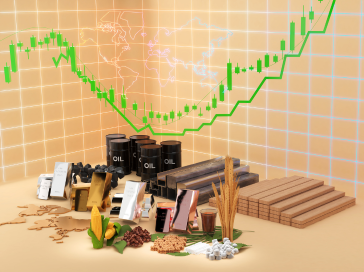
Trading commodity contracts in Saudi Arabia 

Trading commodity contracts in Saudi Arabia allows investors to trade on the rise or fall of commodity prices without the need to physically own them.
It enables trading in both current and future prices of commodities, including (oil, gold, silver, and many other commodities).


Topic

General Steps

Opportunities

Challenges


General Steps

Trading commodity contracts can be done through various markets and financial instruments. Here are general steps for trading commodity contracts:

  • Learning and Research:
    • Understand the basics of the commodity market and the impact of economic and political factors on it.
    • Study the assets you want to trade, whether it’s gold, silver, oil, or any other commodity.
  • Choose a Financial Broker:
    • Select a reliable and licensed financial broker that offers commodity contract trading services.
  • Open a Trading Account:
    • Open a trading account with the chosen broker, which may require providing personal information and verifying your identity.
  • Analysis and Decision-Making:
    • Use market analysis to understand price trends and make decisions based on technical and fundamental analysis.
  • Place Orders:
    • Based on your analysis, place trading orders, whether they are immediate market orders or pending orders.
  • Monitor and Risk Management:
    • Track the execution of your orders and regularly monitor your trading account.
    • Use risk management carefully, including setting stop-loss and take-profit orders to minimize risks.
  • Learn from Experiences:
    • Learn from your trading experiences and market movements. Continuously improve your strategies over time.

It’s important to note that trading commodity contracts involves high financial risks, and having a complete understanding of the market is crucial.
If you are unsure how to start, seeking financial advice from a professional can be helpful.


Opportunities

Trading commodity contracts offers various opportunities for investors, influenced by factors such as technical and fundamental analysis, as well as global economic events. Here are some potential opportunities:

  • Price Fluctuations:
    • Price fluctuations in commodities can be a source of profit, allowing investors to capitalize on price changes.
  • Impact of Global Events:
    • Global events, such as geopolitical crises, natural disasters, and economic events, can significantly impact commodity prices, creating trading opportunities.
  • Portfolio Diversification:
    • Trading commodity contracts provides a means to diversify an investment portfolio effectively, offering different performance from stock and bond markets.
  • Trading Futures Contracts:
    • Trading futures contracts can have benefits, as investors can agree to buy or sell a specific commodity at a predetermined price in the future.
  • Profiting from Price Movements:
    • Investors can profit from both rising and falling commodity prices, either through buying (going long) or selling (going short).
  • Currency-Commodity Trading:
    • Currency contracts related to commodities, like the Australian Dollar/Canadian Dollar, provide additional trading opportunities.

It’s crucial to be aware of the risks associated with trading commodity contracts and have an effective strategy for risk management.
Continuous research and learning are recommended before engaging in commodity trading, and consulting with a financial advisor can be beneficial.


Challenges

Trading commodities involves several challenges that investors should be aware of. Here are common challenges in commodity trading:

  • Price Volatility:
    • Commodity markets are known for significant price volatility, which can lead to substantial losses if risks are not managed carefully.
  • Geopolitical and Global Events:
    • Geopolitical events and global occurrences can have a significant impact on commodity prices, posing challenges in predicting changes and making informed decisions.
  • Leverage:
    • While leverage can amplify profits, it also increases the risk of losses, and managing leverage effectively is crucial.
  • Weather and Climate Impact:
    • Agricultural commodities are heavily influenced by weather conditions. Adverse weather can negatively impact production and lead to price increases.
  • Technological Costs and Market Access:
    • Trading commodities electronically depends on access to trading platforms and technological tools, which may involve associated costs.
  • Changes in Supply and Demand:
    • Changes in consumption and production patterns can affect commodity prices. For example, fluctuations in oil demand and supply can impact prices.

It’s emphasized that trading commodities requires a good understanding of these challenges and an effective risk management strategy.
Striking a balance between potential gains and risks is a crucial part of successful commodity trading.


Trading commodity contracts in Saudi Arabia