What is the term trading?

What is the term trading?

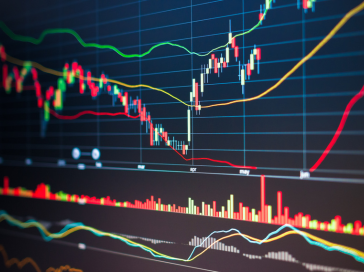
Trading is the process of buying and selling financial assets or commodities in financial markets or exchanges.
These assets can include stocks, bonds, currencies, commodities, financial derivatives, and other types of financial instruments.
The goal of trading is to profit by predicting the price movements of these assets and buying them at a low price and selling at a higher price,
or vice versa, selling them at a high price and then buying back at a lower price.


Topic

types of trading


Advantages of Trading

Risks Associated with Trading


types of trading

There are several types of trading, including:

Day Trading: Traders open and close their positions within the same day to capture short-term price movements.

Swing Trading: Traders hold their positions for several days or even weeks to capture medium-term price movements.

Long-term Investing: Investors buy and hold assets for long periods (from months to years) based on their analysis of its intrinsic value and potential growth.

Trading can be done in financial markets such as stock exchanges, where stocks and bonds are traded, or in currency markets, where foreign currencies (Forex) are traded, or in commodity markets, where commodities like oil and gold are traded.

The success of trading depends on several factors, including a good understanding of the markets and financial instruments, the ability to analyze the market through technical analysis or fundamental analysis, and effective risk management.


Factors for Successful Trading

The factors for successful trading vary depending on the type of trading and the strategies used, but there are some fundamental elements that most professional traders agree on as key to success in the financial markets. Here are more details about these factors:


Education and Knowledge:

Understanding the basics of financial markets and the different financial instruments is essential for every trader. This includes a good grasp of technical and fundamental analysis and how economic events affect the markets.


Trading Plan:

Traders should develop a trading plan that includes clear strategies for entry and exit, risk management, and profit targets. These factors should be determined in advance and adhered to avoid emotional decisions.


Risk Management:

Success in trading is not only about making profits but also about how to manage losses. Using stop-loss orders, determining the risk percentage based on available capital, and not risking more than what can be afforded are vital aspects of maintaining trading continuity.


Discipline and Patience:

Adhering to a trading plan and having the patience to wait for the right opportunities are essential. Discipline prevents random trading and helps avoid significant losses, while patience is necessary for achieving long-term goals.


Psychological Analysis:

Controlling emotions and maintaining a clear mind are essential for making informed decisions. Fear and greed are among the biggest obstacles traders face, and they must be handled wisely.


Tools and Technology:

Using the right tools for analysis and trading can enhance success chances. This includes technical analysis software, advanced trading platforms, and access to real-time market information and data.


Learning from Experience:

Trading is a skill that evolves over time and with experience. Evaluating past trades, whether successful or not, and learning from them helps improve trading strategies and avoid future mistakes.


Flexibility:

The ability to adapt to market changes and adjust trading strategies when necessary is crucial. Financial markets are constantly changing, and what works today may not work tomorrow.


Combining these factors can help build a solid foundation for successful trading,
but it’s important to remember that there is no guarantee of profit and that trading involves risks.


Advantages of Trading

Trading in financial markets can offer many advantages and opportunities, especially for individuals who have a sufficient understanding of how these markets work and the risks involved. Here are some of the most prominent advantages of trading:

The ability to make profits in both rising and falling markets: Traders can benefit from price movements in the market, whether prices are rising or falling, by buying (going long) or short selling (going short).

Access to global markets: Traders can access a wide range of global markets, including stocks, bonds, currencies (Forex), commodities, and indices through electronic trading platforms.

High liquidity: Financial markets, especially major ones like the Forex market and major stocks, are characterized by high liquidity, making it easy for traders to open and close positions easily.

Leverage: Trading with leverage allows traders to open larger trading positions than the capital available to them, enhancing the potential for higher profits (while also increasing risks).

Flexibility: Trading offers significant flexibility in terms of time and location, as traders can work from anywhere in the world as long as they have an internet connection.

Diversity: Traders can diversify their investment portfolios by trading in a variety of assets, which helps reduce risks.

Access to information: With technological advancements, traders can access market data, analysis, and news in real-time, helping them make informed decisions.

Developing personal skills: Trading requires and develops skills such as discipline, patience, critical analysis, and risk management, which can be beneficial in other aspects of life.

Despite these advantages, it’s important for traders to conduct thorough research and be fully aware of the risks associated with trading to avoid significant losses.


Risks Associated with Trading

Trading in financial markets can be profitable, but it also comes with a set of risks. Understanding these risks and how to manage them is a fundamental part of the trading process. Here are some of the main risks associated with trading:

Market Risks: Financial assets are affected by changes in financial markets, including changes in interest rates, economic fluctuations, geopolitical events, and other factors that can negatively affect the investment’s value.

Leverage Risks: Using leverage can increase potential returns, but it also increases risks. Losses can lead to a rapid loss of original capital compared to trading without leverage.

Credit Risks: These risks arise when trading with other parties that may not fulfill their financial obligations, leading to losses.

Liquidity Risks: Some assets may be difficult to liquidate (sell quickly at the market price) at certain times, making it challenging to exit positions without incurring significant losses.

Volatility Risks: Sharp changes in market prices can lead to significant losses in short periods, especially for day traders and those using leverage.

Psychological Inefficiency Risks: Emotions such as fear and greed can lead to poor decisions, such as holding onto losses for too long or taking excessive risks when winning.

Technology Risks: Reliance on technological platforms and trading systems can expose traders to technical risks, such as system failure, internet connectivity issues, or delays in order execution.

Regulatory and Legal Risks: Changes in laws and financial regulations can affect financial assets or markets, leading to unexpected losses.

To minimize these risks, traders use various strategies such as diversifying investments, using stop-loss orders, and controlling position sizes. Additionally, a good understanding of the markets, continuous training, and maintaining discipline can help reduce the impact of these risks on trading performance.


What is the term trading?


The European Union adopts comprehensive legislation on artificial intelligence

The European Union adopts comprehensive legislation on artificial intelligence

The new law, which extends its impact to include the entire digital sector as well as artificial intelligence,
is considered a “historic and innovative” step by Europe.


Topic

Details

Goals of the law

Concerns about the impact on competition


Details

The European Union is advancing the development of the most precise standards to regulate the rapidly evolving field of artificial intelligence,
following the parliament’s approval of the AI law on Wednesday.

These new regulations, which could serve as a model for managing AI in Western countries, especially in the absence of similar legislation in the United States,
have raised concerns among companies about their strictness, while regulatory bodies find them insufficient.

Thierry Breton, Commissioner for the Internal Market, praised Europe for setting global standards for trustworthy artificial intelligence.

The legislation will come into effect after being ratified by the member states and published in the Official Journal of the European Union.


Goals of the law

The law aims to address risks related to bias, privacy violations, and other challenges arising from advanced technology.
It prohibits the use of artificial intelligence technologies for emotion analysis in workplaces and educational institutions,
restricts their use in high-risk contexts such as evaluating job applications, and places limits on generative AI tools that have recently gained popularity.

Germany and France have expressed reservations about supporting some of the proposed strict measures for regulation,
warning that these rules could negatively affect start-ups in Europe.
Civil society groups have also expressed concerns about the influence of large companies on the legislation’s formulation.

The announcement of the partnership between “Mistral” and “Microsoft” raised concerns among some politicians about the exploitation of European legislations.

Brando Benifei, a co-author of the law, emphasized that the legislation sets clear safety standards for the strongest models, indicating their success in standing on solid ground.


Concerns about the impact on competition

There is concern among European and American companies that the law could hinder European competitiveness,
pointing to the obstacles facing Europe’s ambitions for technological leadership and artificial intelligence dominance due to modest investments compared to the United States and China.

The Union plans to establish a dedicated office for artificial intelligence, which will be responsible for implementing the law,
capable of requesting information from companies developing generative AI and imposing restrictions on them.

Dragos Tudorache, one of the co-authors of the law, stressed the historical importance of the legislation passed to regulate the digital space,
emphasizing the need for continuous work to ensure the desired results and enhance Europe’s position as a leading digital power.


more

Legal Scrutiny Threatens X and Tech Giants in the European Union


The European Union adopts comprehensive legislation on artificial intelligence

Choosing a Financial Broker

Choosing a Financial Broker

A financial broker is an entity or company that acts as an intermediary between traders and financial markets.
Brokers enable individuals and institutions to open trading accounts for trading financial instruments such as stocks,
currencies, commodities, contracts for difference (CFDs), and options.


Topic

Steps for Choosing a Broker

How to Differentiate Between Trading Platforms

Reasons to Trade Using the Evest Platform


Steps for Choosing a Broker

Choosing a financial broker is a crucial step in achieving success in your trading and investment experience. Here are steps to help you select the right financial broker:

  • Identify Your Needs and Goals:

    • Before starting your search for a broker, determine whether you want to trade stocks, currencies, commodities, or other assets. Also, assess your level of experience and your goals in trading.
  • License and Regulation:

    • Check the license and regulations of the financial broker. It is advisable to choose a broker licensed by reputable and reliable regulatory authorities.
  • Reputation and Reviews:

    • Read reviews and opinions about potential brokers. You can search online or check review platforms to understand the experiences of other users.
  • Fees and Commissions:

    • Understand the fee and commission structure imposed by the broker. Look for fee transparency and ensure that trading costs align with your financial plans.
  • Asset Diversity:

    • Check for a wide range of assets available for trading, including stocks, commodities, and currencies. This allows you to diversify your portfolio.
  • Trading Platform:

    • Test the trading platform provided by the broker. It should be user-friendly, and stable, and offer the tools and features necessary for informed decision-making.
  • Leverage:

    • Understand the broker’s leverage policy and required margin. Ensure that the leverage level aligns with your trading strategy and risk tolerance.
  • Technical Analysis and News:

    • Check for technical analysis tools and economic news availability. These tools help evaluate market conditions and make informed trading decisions.
  • Customer Support:

    • Test the quality and efficiency of customer support. Ensure that immediate and effective support is available in case of any issues or inquiries.
  • Training and Educational Resources:

    • Check for the availability of educational resources and training. An excellent broker offers articles, videos, and seminars to enhance traders’ skills.
  • Demo Account:

    • Use a demo account if available. It allows you to test the platform and try out trading strategies without risking real money.
  • Security Analysis:

    • Check the level of security and protection provided for accounts and personal information. The broker’s platform should be secure and encrypted.

By following these steps, you can identify a financial broker that meets your needs and enables you to achieve your trading goals.


How to Differentiate Between Trading Platforms

There are numerous trading platforms available in the market, and they may be similar in some aspects but differing in others.
However, several elements can help you distinguish between them:

  • User Interface:
    • Examine the user interface and its design. Is it user-friendly? Does it include tools and features that facilitate the trading process?
  • Available Assets:
    • Check the list of assets available for trading on the platform. Does it offer stocks, foreign currencies, commodities, contracts for difference (CFDs), and others?
  • Analysis Tools:
    • Verify the presence of technical analysis tools on the platform, such as advanced charts and technical indicators.
  • Market News:
    • Does the platform provide regularly updated market news and analyses?
  • Execution and Trading:
    • Check the speed and accuracy of order execution and trading on the platform.
  • Leverage:
    • Verify the available levels of leverage on the platform and how it is managed.
  • Trading Costs:
    • Examine the fee and commission structure for trading and how it is calculated.
  • Customer Support:
    • Check the quality and efficiency of customer support provided by the platform and how to access it in case of issues.
  • Demo Account:
    • Verify the availability of a demo account that allows you to experience the platform and its features without risking real capital.
  • Security and Protection:
    • Check the security measures implemented by the platform to protect your personal and financial data.
  • Technology and Updates:
    • Verify the technology used in the platform and how regularly it is updated and developed.

By reviewing these elements, you can differentiate between trading platforms and choose the one that best meets your needs and goals in trading.


Reasons to Trade Using the Evest Platform

Choosing a secure trading platform means preserving your capital and profits without the hassle of worrying about them, allowing you to focus entirely on your trading operations. This is precisely what the Everest platform offers you. In addition, trading with Evest means:

Complete Flexibility:

  • Compared to any other platform, Everest’s services are designed to provide you with a seamless and ideal experience from the moment you access the site. Whether you are an expert or a beginner, Everest is designed to offer you the simplicity and flexibility you need.

Absolute Transparency:

  • Everest’s services are entirely designed based on the clarity of numbers, providing you with transparent information to make informed decisions about your trades.

Exceptional Customer Support:

  • All Everest customer support agents are experts in platform usage and are available 24/7 to assist you in both English and Arabic.

Full Responsibility:

  • Everest respects your trust and fully complies with the terms of licenses from major global regulators, such as the Vanuatu Financial Services Commission (VFSC).

100% Secure Platform:

  • Everest prioritizes the utmost security of your information and funds. Therefore, it implements all necessary security measures, using technologies like Rapid-SSL to secure the communication between you and the core system.


Choosing a Financial Broker


Xiaomi Competes with Tesla and BYD

Xiaomi Competes with Tesla and BYD

Xiaomi witnesses an increase in its stock value after announcing the launch date of its electric car, competing with Tesla and BYD.


Topic

detail


detail

Beijing – In an ambitious strategic move, Xiaomi, a leading electronics and smartphone company,
unveiled its plans to enter the competitive electric car market in China.


The company’s stock value rose by 7.5% in the Hong Kong market on Tuesday,
in response to the announcement that Xiaomi will release its highly anticipated electric car from the “SU7” series at the end of this March.


In an innovative strategic step, the company decided to collaborate with the government-owned “Beijing Automotive Group” to manufacture its electric cars,
aiming to avoid delays in obtaining manufacturing permits from local authorities.
This move is part of Xiaomi’s transformation from a leading smartphone company to the automotive industry,
led by the active investor and billionaire, Lei Jun, who is spearheading the campaign to achieve leadership in this field.


Regarding the details of the electric car “SU7,” Xiaomi revealed on the “Weibo” platform that it will be available for sale in 29 cities starting from March 28th.
Despite the sharp rise in the electric car sector in China, with intense competition from companies like Tesla and BYD,
Xiaomi aims to attract attention and compete in this challenging market.


This strategic move is part of Xiaomi’s shift in strategy, considering Lei Jun’s electric car project as another venture in entrepreneurship,
following remarkable success in the smartphone industry.


Xiaomi Competes with Tesla and BYD


TSMC Plans $40 Billion Investment

TSMC Plans $40 Billion Investment in Arizona Factories, Anticipates $5 Billion US Grant

Informed sources expect Taiwan Semiconductor Manufacturing Company (TSMC) to receive a US grant exceeding $5 billion to enhance
its chip manufacturing project in Arizona.
This aligns with President Joe Biden’s efforts to boost the semiconductor manufacturing sector in the United States.


Topic

Details

Samsung

New Factories


Details

The sources, requesting anonymity due to the confidential nature of the discussions, state that the grant’s final value is yet to be determined.
It remains unclear whether TSMC will also benefit from loans and guarantees under the Chips Act, enacted in 2022.

Meanwhile, the company, along with other major computer chip producers,
is negotiating with the US Department of Commerce to secure grants totaling around $28 billion to support advanced factories.


Samsung

on the other hand, presented an additional initiative, investing an additional $17 billion in the US to build a new factory in Texas.
Despite reservations about these talks, they are part of significant efforts to boost investments and strengthen local production in this vital sector.

In a related context, Intel, the American competitor to TSMC, confirms ongoing talks to secure over $10 billion in federal incentives,
with at least $3.5 billion allocated for direct grants.

These efforts are part of the Chips Act, allocating nearly $39 billion in direct grants, along with financing options totaling $75 billion
, aiming to attract companies to build projects in the United States after decades of production in Asian regions.

US officials aim to announce more agreements with advanced chip manufacturing companies in the coming days,
with expectations of announcements for three companies so far.


New Factories

It’s worth noting that TSMC plans to invest up to $40 billion to establish factories in Arizona,
a state playing a pivotal role in the chip industry and a key battleground in the anticipated 2024 presidential elections.

Despite facing challenges at its Phoenix factory site, with delays and disputes with local unions,
TSMC achieved progress with a formal labor agreement in December last year.

Overall, the industry is currently witnessing massive investment movements as leading chip companies prepare for qualitative leaps in production,
strengthening their presence in the US market.”


TSMC Plans $40 Billion Investment

Evest Launches ‘1-0’ To Elevate Financial Literacy

Evest Launches ‘1-0’ To Elevate Financial Literacy:
Adding Investment Education to its robust portfolio of services;
Evest, the region’s leading online trading firm, has released a 10-episode series on financial literacy.
Aptly titled ‘1-0’, every episode has been strategically produced to focus on the niche aspects of wealth management.
And empower investors with financial literacy.
The event was held at Paramount Bay Hotel, and invitees and media were in attendance. Read more


Surge in Asian Markets and Yen Reaches One-Month High

Surge in Asian Markets and Yen Reaches One-Month High

The Asian markets witnessed an increase, with the Japanese currency,
the “Yen,” reaching its highest level in a month,
driven by the rise on Wall Street due to statements from the Federal Reserve Chairman.


Topic

Rise in Stocks

Expectations

Chinese Economy


Rise in Stocks

Most Asian markets experienced an upswing on Thursday following the uptrend in U.S. markets
attributed to remarks by Federal Reserve Chairman Jerome Powell, hinting at the possibility of interest rate cuts this year.
The Yen strengthened to its highest level in a month against the dollar.


Stocks rose from Australia to Japan and China, pushing regional market indices higher for the second consecutive day.
In contrast, the Hang Seng Index fluctuated at the beginning of trading sessions. U.S. futures saw a decline after the S&P 500 index rose by 0.5% yesterday, reaching 5100 points, and the Nasdaq 100 index advanced by 0.7%.


The Yen traded at its highest level in a month, rising to levels below 150 against the dollar yesterday. This increase was partly due to a faster wage growth since last June. The Bank of Japan faces pressure to end its current policy of negative interest rates, with expectations that this might happen this month or the next. Reports suggest implicit approval from some government officials for this move by the central bank, while investors will closely monitor further statements from the Bank of Japan when board member Junko Nakagawa speaks later today.


Expectations

Increasing expectations of ending negative interest rate policies in Japan boosted bank stocks today, with bank stocks rising by 2.3% on the TOPIX index. During the appropriate period for interest rate cuts, the U.S. dollar index declined after yesterday’s drop in U.S. bond yields. The ten-year index stabilized in Asia after losing five basis points to 4.1% during the previous session.


In his testimony before the House committee, Jerome Powell affirmed that, despite not seeing an urgent need to cut interest rates due to the strength of the U.S. economy, it is likely to be appropriate to do so “at some point this year.” Jose Torres of Interactive Brokers noted that Powell’s positivity regarding inflation trends and confidence in achieving the current peak interest rate were sufficient for market participants. Powell also added that the central bank is likely to make significant changes to its plan to impose additional capital on large banks, a major win for major U.S. banks.


In other news, New York Community Bancorp, operating in the commercial real estate mortgage sector, secured a $1 billion investment in its stocks, leading to a decline in its stock price. Job opportunities in the United States remained high, with private wages recording a strong increase in February, slightly below estimates. A survey by the Federal Reserve’s “Beige Book” revealed that the U.S. economy has been growing at a moderate pace since the beginning of the year, while consumers show increased sensitivity to rising prices.


In Asia, upcoming data includes Australian trade data, Taiwan’s inflation rate, and China’s trade and external balance data, while Malaysia will announce its monetary policy decision. The annual parliamentary session in China continues, with Foreign Minister Wang Yi’s conference expected to address various issues, including U.S.-China relations and Taiwan.


Chinese Economy

Regarding the Chinese economy, the head of the People’s Bank of China told reporters yesterday that there is still an opportunity to reduce the reserve ratio that banks must hold, a type of monetary easing. At the same time, senior Chinese securities regulators warned that authorities would intervene to rectify “market failure” in emergency situations. Attention is also focused on the Chinese technology sector, with shares of JD.com in Hong Kong rising by up to 9.2% after the company began a $3 billion share buyback program following better-than-expected earnings.


On the other hand, Bitcoin experienced a slight decline, trading at around $66,000, after reaching its highest level earlier this week. Gold prices stabilized after achieving record numbers, with the volatility in cryptocurrencies and precious metals sending conflicting messages to market participants. The oil price did not see significant changes after yesterday’s rise, as additional tensions in the Middle East pushed the U.S. WTI crude oil price up by 1.3%. These tensions marked the first confirmed attacks in the region after Houthi fighters initiated their attacks.


Surge in Asian Markets and Yen Reaches One-Month High


Trading Contracts in Saudi Arabia

Trading Contracts in Saudi Arabia

Trading Contracts for Difference (CFD) is a type of financial instrument that allows investors to benefit from changes in the prices
of underlying assets without the need to own the actual asset.
Underlying assets for CFDs can include stocks, foreign currencies, indices, commodities, and bonds.


Topic

Features of Trading in Saudi Arabia

Opportunities

Risks


Features of Trading in Saudi Arabia

Determining the features of trading contracts in Saudi Arabia depends on the regulatory framework and local laws. In Saudi Arabia, there are transformations and developments in the financial markets sector, encouraging the expansion of trading services. Here are some potential features of trading contracts in Saudi Arabia:

  • Regulation and Oversight:
    • There may be local regulatory bodies overseeing the stock market, establishing laws and regulations related to contract trading. Regulation aims to ensure market transparency and protect investors.
  • Wide Range of Assets:
    • Trading platforms in Saudi Arabia may offer a diverse range of assets tradable through CFDs, such as stocks, foreign currencies, indices, and commodities.
  • Leverage:
    • Trading platforms in Saudi Arabia may provide investors with the ability to use leverage, allowing them to trade with larger amounts than their initial capital.
  • Advanced Technology:
    • Trading platforms in Saudi Arabia may rely on advanced technology and secure systems to facilitate smooth trading, ensuring information and funds are secure.
  • Analysis and News Services:
    • Saudi Arabian trading platforms might offer analytical services and financial news to assist in making informed trading decisions.
  • Opportunities for Local Investors:
    • There could be opportunities for local investors in the domestic financial market, promoting national participation in trading operations.
  • Compliance with Islamic Standards:
    • Trading platforms in Saudi Arabia may adhere to Islamic finance principles, providing trading services that align with Islamic Sharia.


Opportunities

Trading Contracts for Difference (CFD) provides a wide range of opportunities in various financial markets. Here are some available opportunities for CFD trading:

Stocks:

  • Trade on the stocks of large and small companies through CFDs, benefiting from price movements in the stock market.

Foreign Exchange (Forex):

  • CFD trading on currency pairs allows investors to benefit from fluctuations in global currency prices.

Indices:

  • Trade on global market indices, such as stock or commodity indices, and benefit from overall market movements.

Commodities:

  • CFDs allow trading in commodities such as gold, silver, oil, and natural gas, enabling investors to diversify their portfolios.

Bonds:

  • Trade CFDs related to government or corporate bonds, allowing investors to benefit from changes in interest rates.

Real Estate CFDs:

  • In some markets, you can also trade CFDs on real estate or real estate indices.

Digital Currencies (Cryptocurrencies):

  • Some brokers provide CFDs on digital currencies like Bitcoin, Ethereum, and others, allowing investors to benefit from the volatility of the digital currency market.

Investors should be familiar with the markets they wish to trade in, conduct thorough research, and manage risks carefully before engaging in any type of trading. It is also advisable to seek independent financial advice to ensure informed decision-making and understanding of all relevant financial and legal aspects.


Risks

Despite the numerous opportunities, trading Contracts for Difference (CFD) is associated with challenges and risks that need to be considered before engaging in this type of trading. Here are some common challenges and risks:

High Leverage:

  • The use of high leverage can increase profits but also amplifies risks. Poorly managed leverage can lead to significant losses.

Market Volatility:

  • Market fluctuations can be unexpected and strong, negatively impacting investors who do not manage their risks effectively.

Trading Fees:

  • Trading fees and margin costs can accumulate quickly, affecting net profits.

Non-ownership of the Asset:

  • As investors do not own the actual asset, unexpected impacts may occur when closing positions, especially in market gaps.

Impact of News and Economic Events:

  • Negative news or significant economic events can have a substantial impact on markets, leading to sharp price changes.

Lack of Voting Rights:

  • Due to not owning the actual asset, investors may lose voting rights in companies when trading their stocks.


To minimize risks, investors should develop strong trading strategies, exercise caution, and manage risks carefully.
It is also advisable to seek independent financial advice before starting CFD trading.


Trading Contracts in Saudi Arabia

Goldman Sachs removes Apple’s stocks from its preferred list

Goldman Sachs removes Apple’s stocks from its preferred list

 influenced by weak performance and a decline in demand for the American technology giant’s flagship products.
The bank decided to remove Apple from the list due to the declining performance of its stock,
amid growing concerns about a drop in demand for its primary products.


Topic

details


details

The manufacturer of iPhones has been excluded from the modified list, consisting of 20 to 25 stocks,
which has been part of Goldman’s strategy since last June.


Apple experienced a slight stability in its stock price during this period, while the S&P 500 index rose by approximately 22%.
Following its removal from the list, Apple’s stock dropped by 0.6% last Friday.


It’s worth noting that Apple has lagged behind its counterparts in the “Fabulous Seven” group, except for Tesla,
due to increasing concerns about a continuous decline in iPhone sales, especially amidst the ongoing economic crises in China.


Regarding stock evaluation, Goldman Sachs clarified that the modified list undergoes monthly reviews,
removing stocks that no longer hold significant investment appeal.


On the other hand, analyst Michael Ng remains optimistic about Apple’s stocks, maintaining their classification as “Buy,”
emphasizing that the quality of Apple’s operating system and the strength of its revenues may compensate for the slowdown in product
revenue growth and the clarity of vision.


Goldman Sachs removes Apple’s stocks from its preferred list

Trading Commodities in Qatar

Trading Commodities in Qatar

Commodity trading refers to the process of buying and selling contracts related to essential commodities such as oil, gold, silver, wheat, and more.
This type of trading allows investors to capitalize on fluctuations in commodity prices without the need to own the actual physical goods.

Commodity futures contracts are traded through financial markets, with the contract value determined based on the price of the underlying commodity.
Traders can profit from both rising and falling commodity prices, depending on market trends and trading strategies.

Commodity contracts are traded through financial brokerage platforms, including Contracts for Difference (CFDs) and Futures contracts.
Investors must be aware of the risks associated with this type of trading and adopt prudent trading strategies.


Content

Opportunities

Challenges

Forex and Commodities


Opportunities

Trading commodity contracts provides several opportunities for investors, including:

Diversification of Investment:

Commodity trading allows investors to diversify their portfolios better, benefiting from various markets, including oil, gold, silver, wheat, and other commodities.

Profit from Price Volatility:

Commodity markets are characterized by high volatility, and traders can take advantage of these fluctuations to profit from price movements.

Asset Protection:

Investors can use commodity futures trading as a means to protect their assets from price fluctuations, especially if they rely on these commodities in their business or production operations.

Profit Opportunities from Short Engagement:

Commodity futures trading offers investors the opportunity to profit from short engagements, allowing them to bet on declining commodity prices and earn profits accordingly.

Cost Savings:

When trading commodity contracts, there is no need to own the actual commodities, reducing the costs associated with storing and transporting physical goods.

Time Savings:

Investors can save time as they do not need to monitor shipping and storage operations and logistical issues associated with owning physical commodities.

Despite these opportunities, investors must be cautious, fully understanding the risks associated with commodity futures trading and adopting suitable trading strategies for their goals and risk tolerance.


Challenges

While there are opportunities available in trading commodity contracts, there are potential challenges that investors may face, including:

Market Volatility:

Commodity markets can be highly volatile, potentially leading to significant losses if risk management is not handled correctly.

Geopolitical and Political Effects:

Commodity prices may be influenced by changes in geopolitical conditions or political events, making price predictions challenging.

Environmental Effects:

Some commodities are susceptible to environmental changes, such as natural disasters and climate change, which can affect the availability and prices of those commodities.

Costs and Fees:

Trading commodity contracts may involve additional costs, such as interest and fees imposed by trading platforms, which can be a significant factor affecting net financial returns.

Changes in Trading Regulations:

Changes in trading regulations and policies may have significant effects on commodity trading, impacting market dynamics.

Global Economic Implications:

Global economic events, such as economic recessions or trade tensions, can significantly impact commodity prices.

Market Manipulation:

Market manipulation or disruptions may occur, leading to unexpected changes in prices.

Investors should be aware of these challenges and take prudent measures to deal with potential risks associated with commodity trading.


Forex and Commodities

Trading commodity contracts differs from trading currencies (Forex) in several aspects. Here are some features that distinguish commodity futures trading:

Nature of the Asset:

Commodity trading focuses on movements in the prices of underlying commodities such as oil, gold, and silver. In contrast, Forex trading revolves around the exchange of foreign currencies.

Volatility and Economic Events:

Commodity markets experience strong volatility due to economic and geopolitical events, such as changes in supply and demand and weather conditions. Forex trading may be less volatile at times.

Physical Commodities:

In commodity futures trading, there is a direct connection to physical commodities, but the actual trader does not own the physical goods. Forex trading involves the exchange of currency pairs without owning the actual currencies.

Environmental Impacts:

Changes in the environment, such as natural disasters and climate change, can affect commodity prices. Forex trading relies more on economic events.

Fees and Margins:

Trading fees and margin requirements may vary between commodity markets and the Forex market, impacting the overall cost of trading.

Diversification Opportunities:

Commodity trading provides an opportunity for investors to diversify their portfolios by investing in different assets compared to those available in the currency markets.

Despite these differences, each type of trading is effective in its own way, and the choice depends on the individual trader’s goals and needs.


Trading Commodities in Qatar