
Which is Better for Preserving Wealth, Gold or the Dollar?
When it comes to preserving wealth and saving, many investors face an important choice: Is it better to invest in gold or hold onto dollars? Each option has its own advantages and challenges, and the decision depends on various economic and financial factors.
Long-term stability: Gold is considered a safe haven in times of economic uncertainty, retaining its value even during inflation or deflation periods.
Protection from inflation: When currency values decline, demand for gold increases as a wealth-preserving asset.
Lower risk, lower returns: Although gold is stable, its returns are not as high as other investments, but it remains a safe long-term option.
The Dollar and Fiat Currencies
Liquidity and flexibility: The dollar provides quick liquidity and is easy to use in everyday transactions, also serving as the world’s primary reserve currency.
Market fluctuations: The dollar can be affected by inflation and monetary policies, and may lose purchasing power over time.
Other investment opportunities: Holding dollars can open doors to other investments like real estate and stocks, but it requires constant market monitoring.
Comparison
Between Gold and the Dollar
Safety: Gold offers more safety during crises compared to the dollar.
Returns: The dollar may be more beneficial for short- to medium-term investments.
Volatility: Gold is less volatile during times of crisis, while the dollar can be heavily influenced by economic and political events.
Conclusion
In the end, the choice between gold and the dollar depends on the investor’s financial goals and the surrounding economic conditions. For those seeking safety and protection from inflation, gold is an excellent option. On the other hand, for those looking to leverage liquidity and investment opportunities, the dollar can be a suitable choice, but one must be mindful of its volatility risks.
Which is Better for Preserving Wealth, Gold or the Dollar?
Evest wins the notable ‘Best Trading Tools’ award for its cutting-edge innovations at Forex Expo Dubai 2024:
Evest, the region’s leading online trading platform,
marked its standout industry presence by clinching the
‘Best Trading Tools’ award at the seventh edition of the Forex Expo 2024.
The award honors Evest’s continuous contribution to developing innovative
technologies designed to transform the future of forex trading.
As a multi-asset investment platform, Evest’s presence at the expo
was synonymous with a knowledgeable online trading hub.
With an enhanced, secure, and wealth growth approach,
The platform has always offered invaluable insights and actionable knowledge
for investing and succeeding in a competitive trading environment.
The company showcased its tech-advanced solutions
and innovative tools designed to meet the progressive needs of traders and investors,
which earned it the prestigious award.
The ‘Best Trading Tools’ award was among the most esteemed accolades at the annual event,
confirming Evest’s commitment to innovation and excellence.
Hedging is one of the most important tools used by investors in the stock market to protect their investments from potential losses.
But what exactly is stock hedging, and how can it be applied to safeguard an investment portfolio from market volatility?
Hedging is a strategy aimed at reducing risk by taking opposite positions to current investments.
Simply put, it’s a way to insure against potential losses in a stock portfolio.
Investors use financial instruments such as options and futures contracts to achieve this goal.
Why is Hedging Used?
Protection from Market Volatility: This strategy protects investors from sharp fluctuations that may lead to a decline in stock value.
Risk Mitigation: Hedging helps reduce the risk of capital loss without having to liquidate the entire portfolio.
Stability: It provides greater stability for investors and reduces the impact of unexpected events such as economic crises.
How to Apply Hedging in Stocks
Using Options:
Put Options: These give the investor the right to sell stocks at a certain price, offering protection against price declines.
Call Options: Can be used to profit from anticipated price increases, offsetting losses in other assets.
Using Futures Contracts:
Futures allow investors to lock in a specific price to buy or sell assets in the future, reducing the impact of price volatility.
Short Selling:
Some investors use this strategy to sell stocks they expect to drop in value, allowing them to profit even when the market declines.
Benefits and Risks
Benefits:
Reduces potential losses.
Provides additional protection for the portfolio.
Allows for profit even in bear markets.
Risks:
Hedging costs (such as commissions and contracts) can reduce final returns.
Some tools used for hedging can be complex and require extensive financial expertise.
When to Use Hedging?
When an investor expects significant market fluctuations.
In case of holding a large portfolio with diverse stocks that may be affected by price volatility.
During unexpected political or economic events that may impact the market.
Conclusion
Stock hedging is a powerful tool that helps investors protect their portfolios from unforeseen risks.
However, it requires a deep understanding of the market and the financial instruments available.
Smart use of hedging can be key to maintaining portfolio stability and achieving long-term investment goals.
Which is Better: Investing in Gold or Trading Stocks?
When it comes to growing and preserving wealth, many people ask this question:
Is it better to invest in gold or trade stocks?
The answer largely depends on each person’s financial goals,
risk tolerance, and understanding of financial markets.
Gold is considered one of the oldest and most well-known ways to preserve value.
Many people turn to it during economic crises or when their local currency depreciates.
Gold maintains its value over time and is considered a safe haven against inflation and the devaluation of paper currencies.
Advantages of Investing in Gold:
Preservation of Value: Gold is a safe haven during times of economic instability.
Portfolio Diversification: Gold can be a way to reduce risks and diversify an investment portfolio.
Liquidity: Gold can be sold relatively easily at almost any time.
Disadvantages of Investing in Gold:
Limited Returns: Gold does not generate steady income like dividends from stocks. Its value relies primarily on supply and demand.
Storage Costs: There may be associated costs with storing gold, such as insurance and protection.
Trading Stocks
Stocks represent a share in a company, which means you own a small part of that company.
Trading stocks can be highly profitable, but it requires a deep understanding of the markets and a strong investment strategy.
Advantages of Trading Stocks:
High Returns: Stocks offer the opportunity for significant returns in the long term, especially through dividends and capital appreciation.
Liquidity: Stocks are easily bought and sold in financial markets.
Diverse Opportunities: You can choose from thousands of companies across various industries and sectors.
Disadvantages of Trading Stocks:
High Risk: Stock trading comes with a high level of risk. Stock values can drop significantly during economic downturns.
Volatility: Stock prices are affected by numerous factors, such as the financial performance of companies and economic or political changes.
Which is Better
There is no one-size-fits-all answer. If you’re looking to preserve the value of your money over the long term and are cautious about risks, gold might be a good option. However, if you’re aiming for higher returns and can handle the risks associated with market volatility, stocks may be the better choice.
The best approach may be to combine both: investing in gold to preserve wealth and trading stocks to generate higher returns over the long term. Balancing both can offer greater stability and better opportunities to achieve your financial goals.
Which is Better: Investing in Gold or Trading Stocks?
Taiwan Semiconductor Facing Unprecedented Challenges Amid U.S. Restrictions
Taiwan Semiconductor Manufacturing Company (TSMC), a leader in the semiconductor industry,
is facing significant challenges due to U.S. restrictions on the production and export of AI chips to China.
These restrictions threaten its ability to sustain continuous growth,
especially with the increasing global demand for advanced chips.
In this article, we will explore the major challenges confronting the company
and the potential impact on the semiconductor industry.
The Impact of U.S. Restrictions on TSMC’s Business
TSMC is one of the key players in the electronic chip industry,
producing about 99% of the world’s AI processors and serving as a primary supplier for major companies like Apple and Nvidia.
However, recent U.S. restrictions, which prevent TSMC from manufacturing advanced chips for Chinese customers,
pose a major obstacle to its expansion goals.
The End of Free Trade and New Challenges
Morris Chang, the founder of TSMC, emphasized that the era of free trade in the semiconductor industry has come to an end,
making the primary challenge now how to sustain growth amid these restrictions.
The United States, in cooperation with its allies like Japan and the Netherlands,
is working to limit China’s access to advanced chips,
increasing pressure on companies like TSMC that had heavily relied on the Chinese market.
China
The Chinese Market: Past and Present
The Chinese market used to contribute around 20% of TSMC’s revenue,
with Huawei being one of its most prominent clients until September 2020,
when the company ceased business with Huawei due to a U.S. ban.
Despite this, TSMC recently discovered that chips manufactured for another client had ended up with Huawei,
prompting the company to suspend shipments to that client and notify both the U.S. and Taiwanese governments.
Compliance with Laws and Regulations
TSMC has reaffirmed its full compliance with all applicable laws and regulations,
stressing that it has not supplied any chips to Huawei since the 2020 ban.
This incident highlights the complexity companies face amid changing regulations
and the geopolitical competition between the U.S. and China.
TSMC
TSMC’s Technological Leadership and Expansion Projects
Despite the challenges, TSMC continues to expand its global footprint.
The company is building new factories in Arizona, Japan, and Germany to mitigate concerns related to rising tensions with China.
TSMC CEO C.C. Wei stated that the company will maintain its leadership in technology due to its ongoing investments in advanced manufacturing.
Conclusion:
TSMC remains a key player in the global semiconductor industry, despite the significant challenges it faces.
U.S. restrictions on exporting chips to China may affect its growth prospects,
but the company’s investments in global expansion and continued innovation could enable it to maintain its leadership position.
Taiwan Semiconductor Facing Unprecedented Challenges Amid U.S. Restrictions
Tesla Ignites a Surge in U.S. Tech Stocks After Strong Earnings
U.S. tech stocks saw a notable rise in after-hours trading following the market close,
led by Tesla, which jumped 9% after the company announced quarterly earnings that exceeded analysts’ expectations.
Tesla kicked off the earnings season for the “Magnificent Seven” with strong results,
reporting adjusted earnings of 72 cents per share, surpassing the average analyst estimates.
The company also indicated its expectation for slight growth in vehicle deliveries by the end of the year.
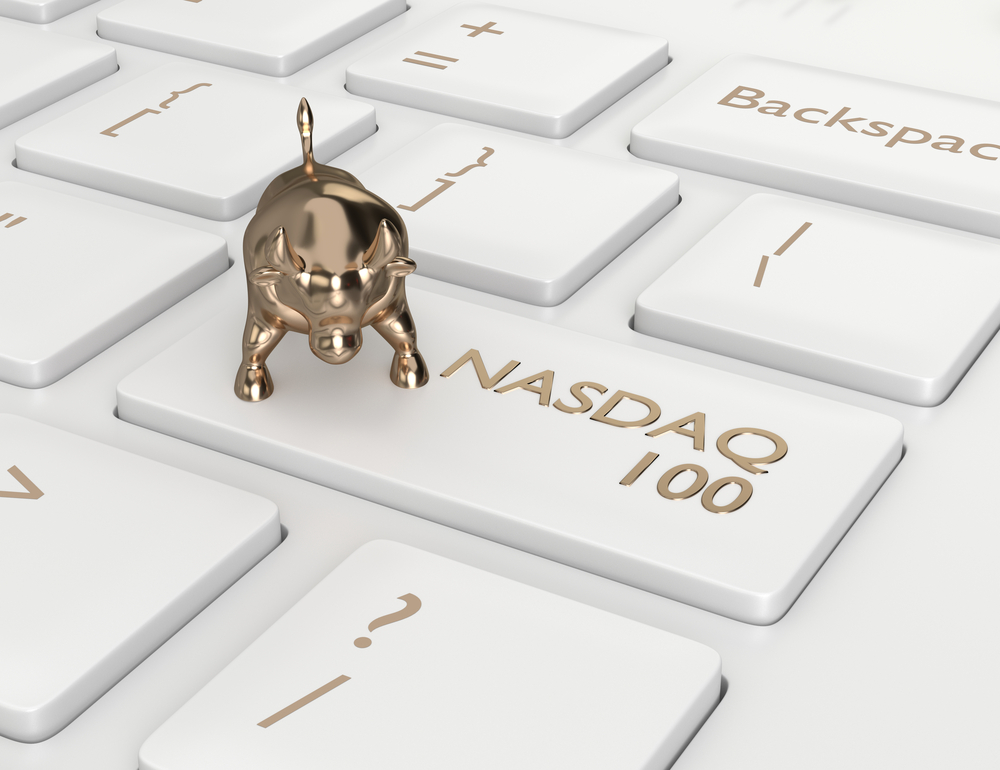
After significant sell-offs in the markets, Wall Street pointed to a recovery led by tech stocks. The $300 billion exchange-traded fund, QQQ, which tracks the Nasdaq 100 Index, rose in after-hours trading, reflecting a wave of optimism in the market. This recovery comes amid bets that the Federal Reserve will adopt a more cautious approach regarding interest rate cuts.
Concerns About Slowdowns in Other Sectors
Despite Tesla’s positive performance, some other companies saw declines. IBM shares fell after the company reported disappointing third-quarter revenues, impacted by a slowdown in demand for consulting services. Meanwhile, T-Mobile US reported an increase in mobile and broadband subscribers, in line with analysts’ expectations, prompting the company to raise its forecast for profits and new customers this year.
Other Market Indicators
At the same time, the S&P 500 Index fell below 5800 points, while the Nasdaq 100 Index dropped by 1.6%, and the Dow Jones Industrial Average fell by 1%. U.S. Treasury 10-year bond yields rose by three basis points to reach 4.23%. Internationally, the U.S. dollar appreciated against all major currencies in the G10 group, while the Japanese yen fell to its lowest level in three months, raising concerns about potential intervention by the Bank of Japan. Additionally, the Canadian dollar weakened after the Bank of Canada accelerated its pace of monetary easing.
Investor Challenges
In the coming weeks, investors face several challenges that could impact their risk appetite, including the earnings season for major tech companies, the October jobs report, the U.S. elections, and the Federal Reserve meeting. Investors are also closely monitoring the movements of 10-year Treasury yields, which have reached their highest levels since November.
Bonds
Bond Repricing
Jonathan Krinsky from BTIG noted that stocks have recently been more influenced by the movements of bonds and the U.S. dollar, which contrasts with market behavior in recent weeks. Despite the current improvement, Krinsky expects the markets to face downward pressure in the coming weeks, predicting that the S&P 500 may fall to a range of 5500-5650 points.
Hedging Against Bond Declines
Options contracts protecting against further declines in U.S. Treasury bond prices have reached their highest levels this year, reflecting investor concern over worsening losses. At the same time, interest rate swaps are increasingly pricing in expectations that the Federal Reserve will not implement significant rate cuts during its two remaining meetings this year.
Mixed Market Outlooks
Opinions about the future of the stock market are divided. Andrew Brenner from NatAlliance Securities stated that the rise in hedging options against falling bonds reflects investor concerns about political and economic challenges. Some analysts have warned that upcoming economic data may carry surprises that could negatively impact the markets.
Meanwhile, Tiffany Wilding from Pacific Investment Management advised investors not to overestimate the recent rise in bond yields, noting that stock performance in the month following the first interest rate cut does not necessarily indicate future economic trends.
Conversely, Nicholas Colas from DataTrek Research remains optimistic about major U.S. stocks,
pointing out that economic growth is still strong, and he expects corporate earnings to continue growing in the coming quarters.
Tesla Ignites a Surge in U.S. Tech Stocks After Strong Earnings
Which Investment Options Are Better: Stocks or Bonds?
Investment decisions are among the most important financial choices faced by both individuals and investors alike.
Among the most common options, the question arises: which is better to invest in,
stocks or bonds? Each has its own characteristics and benefits,
making the decision dependent on the investor’s personal goals and budget.
Stocks: Stocks represent a share in a company’s ownership. When you purchase stocks, you become a partial owner of the company and benefit from the increase in its value or through dividends.
Bonds: Bonds are loans you provide to governments or companies, where the investor receives fixed interest over time and recovers the principal after the bond term ends.
Comparison
Between Stocks and Bonds:
Risk:
Stocks: Stocks are generally riskier due to market fluctuations and can lead to loss of capital.
Bonds: Bonds are typically less risky but still carry the risk of interest rate changes or default.
Returns:
Stocks: Potential returns on stocks are higher, but they come with a higher level of risk.
Bonds: Bonds provide steady, regular returns, although these are generally lower than stock returns.
Liquidity:
Stocks: Stocks are easily traded with high liquidity in public markets.
Bonds: Bonds may have lower liquidity, especially in less developed markets.
Diversification and Protection:
Stocks: Stocks are more affected by market volatility and economic changes.
Bonds: Bonds can be a way to protect a portfolio from market fluctuations and provide a stable income.
What Suits You as an Investment
If you are an investor looking for rapid growth and willing to take on higher risk, stocks might be the better option.
If you are seeking safety and steady returns, bonds might suit you more.
It’s best to diversify between stocks and bonds to balance risk and return.
Conclusion:
The choice between investing in stocks or bonds largely depends on your financial goals,
risk tolerance, and your readiness to handle market fluctuations.
Always remember that diversification is the key to achieving long-term financial stability.
Which Investment Options Are Better: Stocks or Bonds?
Chinese Stocks Rise as Economic Stimulus Package Begins
Chinese stocks saw an uptick during Tuesday’s trading after the People’s Bank of China initiated its first steps to stimulate the stock market, giving a positive boost to investor confidence.
This rise comes as investors absorbed the new measures taken by Beijing to support the economy.
The CSI 300 index rose by 0.57%, adding 22 points to reach 3,957,
while the Shanghai Composite Index increased by 0.54% or 17 points to reach 3,285.
Meanwhile, the Shenzhen Composite Index climbed by 0.86%, reaching 1,953.
This support came after the People’s Bank of China announced its first stimulus operation under a plan aimed at boosting stock market performance. Through this operation, assets worth 50 billion yuan (equivalent to 7 billion USD) were exchanged with several brokerage firms, investment funds, and insurance companies.
Fitch:
Fitch Ratings expects the European Central Bank (ECB) to accelerate the pace of interest rate cuts.
On Monday, Fitch Ratings issued a memo predicting that the ECB will reduce interest rates more quickly than previously expected.
Despite this acceleration, the total expected cuts will remain at 200 basis points by the end of 2025.
In the memo, the agency noted that the ECB had already cut the interest rate by 25 basis points during its Monetary Policy Committee meeting held on October 17, bringing the main rate to 3.25%.
Fitch expects the bank to continue cutting rates by 25 basis points on four occasions over the next two years,
in March, June, September, and December, with a total of 100 basis points in cuts expected.
This latest rate cut is part of the ECB’s efforts to support economic activity, especially as inflation growth has slowed recently.
Nvidia:
Nvidia’s market value surpasses $3 trillion.
Nvidia’s stock closed Monday’s session at a new record high,
pushing the company’s market value past $3.5 trillion for the first time in its history.
The stock rose 4.15% to close at $143.71, with additional gains of 0.40% in after-hours trading, bringing it to $144.30.
With this rise, Nvidia’s market value reached $3.525 trillion, making it the second global company—after Apple—to end a trading session with a market capitalization above $3.5 trillion.
The company only needed its stock to hit $142.682 to achieve this milestone,
but it exceeded this level despite broader market challenges.
Nvidia is now ranked second globally in terms of market value, behind Apple,
which first reached this level in July and currently has a valuation of $3.595 trillion.
Chinese Stocks Rise as Economic Stimulus Package Begins
Asian Stocks Continue to Decline Amid Bond Market Pressures and Focus on Chinese Stimulus
Asian stocks extended their decline for the second consecutive day as Wall Street’s gains paused after the longest weekly rally this year.
This drop comes amid increasing pressure on bond markets as expectations for Federal Reserve rate cuts weaken.
The MSCI Asia-Pacific index fell by as much as 1.1%, with declines in Australia and Japan,
while Chinese markets posted slight gains.
This came after U.S. stocks pulled back from their record highs following a continuous upward surge.
U.S. Treasury yields on 10-year bonds rose to 4.20% after Kansas City Federal Reserve President Jeffrey Schmid suggested a slower pace of rate cuts due to uncertainty over the optimal level of reduction.
Bond Market Selling Pressures: According to Chris Weston, head of research at Pepperstone Group, several factors are driving the bond market selloff, including concerns about supply and stronger-than-expected U.S. economic data. He also noted that election-related bets are influencing the market, with traders anticipating a potential Republican takeover of both the White House and Congress.
Chinese Economic Stimulus: Markets continue to monitor Beijing’s efforts to support economic growth. Chinese banks recently cut interest rates following the central bank’s monetary easing in September, as part of a series of measures aimed at supporting the struggling real estate market. Analysts are hopeful that these cuts will lead to a recovery in property demand.
Japanese Elections
In Japan, attention is focused on the upcoming elections, amid a decline in support for the ruling coalition led by Prime Minister Shigeru Ishiba, which could result in a weak and unstable administration.
Wall Street Earnings Outlook: Investors are anticipating earnings reports from major U.S. companies,
with 20% of the S&P 500 firms set to release their financials, including Tesla, Boeing, and United Parcel Service.
According to a Bloomberg Market Live survey, these earnings reports are seen as more important for stock market performance than the U.S. elections or Federal Reserve policy.
Volatility in Options Markets and Gold: Options markets experienced sharp fluctuations as investors sought to hedge against risks. Gold prices steadied after hitting record highs, while oil saw a slight decline amid tensions in the Middle East.
Stock trading is one of the most popular financial tools for long-term profit,
but success requires careful preparation and an effective strategy.
Below, we’ll outline key tips, divided into two groups: those focused on preparation before trading,
and those for success in execution and management.
Learn the basics before you start: It’s essential to understand fundamental concepts such as stocks, profits, charts, and the factors that influence the stock market.
Define your investment goals: Whether you aim for short-term gains or building long-term investments, it’s crucial to have clear objectives in place before you begin.
Diversify your investment portfolio: Diversification is one of the most important ways to reduce risk.
Don’t put all your investments in one stock or sector; spread them across
different industries.
Use both technical and fundamental analysis: Technical analysis involves studying price movements and charts,
while fundamental analysis focuses on assessing the financial health of a company.
Both are necessary for making informed decisions.
Success in Execution and Management
Avoid emotional trading decisions: Don’t let emotions influence your decisions, especially during market volatility. Rely on rational analysis to make well-thought-out choices.
Research the market thoroughly before making decisions: Do your homework before making any investment decisions. Use economic news and financial reports to gain a comprehensive view of the stocks you’re interested in.
Set entry and exit points in advance: It’s better to plan your buying and selling prices before entering a trade, to avoid hesitation or making impulsive decisions.
Accept losses when necessary: Losses are a part of trading. Be prepared to cut your losses when needed rather than holding on in hopes of recovery.
Stay informed: The stock market is constantly changing, so it’s important to stay updated on global and local economic developments that may impact your decisions.
Don’t expect quick profits: Success in stock trading requires patience and long-term investment.
Don’t expect to make huge profits in a short period without proper planning.
Conclusion
By following these tips, you can improve your chances of success in the stock market,
whether you are a beginner or have previous trading experience.
Good preparation and wise risk management are the keys to success.