


https://bit.ly/4e4vMss


https://bit.ly/3Ojri6T


Dow Jones Forecast 2026: Market Trends and Future Outlook

The Dow Jones Industrial Average is one of the most recognized stock market indices in the world, often seen as a benchmark for the overall health of the U.S. equity market and, by extension, global financial sentiment. For traders and investors, understanding the Dow Jones Forecast is essential for making informed decisions, managing risk, and identifying opportunities across different market conditions.
The Dow Jones Forecast goes beyond short-term price movements.
Dow Jones forecast – technical analysis.
Technical analysis indicators plays a central role in shaping the Dow Jones Forecast, especially for traders who rely on price action and market behavior rather than economic data alone. By analyzing historical price patterns, volume, and indicators, market participants attempt to anticipate future movements of the index.
Key technical tools include trendlines, support and resistance levels, moving averages, and momentum indicators. When the Dow Jones Industrial Average trades above major moving averages, it often signals bullish sentiment, strengthening the Dow Jones Forecast on the upside.
Conversely, trading below these averages may suggest weakening momentum and increased downside risk.
Chart patterns such as channels, triangles, and head-and-shoulders formations are also closely monitored. These patterns help traders identify potential breakouts, reversals, or periods of consolidation. In many DJIA forecast models, confirmation from multiple indicators is used to increase the reliability of signals.
Momentum indicators like RSI and MACD provide insight into whether the market is overbought or oversold. Extreme readings may indicate potential corrections or rebounds. By combining these tools, technical analysis offers a structured framework for short-term and medium-term Dow Jones projections, helping traders align entries and exits with prevailing trends.
Why Trade the Dow Jones?
The Dow Jones Industrial Average attracts traders and investors for several compelling reasons. First, it represents some of the largest and most influential companies in the U.S. economy, making it a proxy for corporate America’s performance. This broad representation enhances the relevance of the Dow Jones Forecast across global markets.
Liquidity is another significant advantage. Dow-related instruments, including futures and CFDs, are actively traded, resulting in tight spreads and efficient execution. This makes the index suitable for both short-term trading and longer-term positioning.
Volatility also plays a role. While not as volatile as some technology-heavy indices, the Dow offers enough price movement to create consistent trading opportunities. For many traders, this balance makes Dow stock forecast strategies more manageable from a risk perspective.
Additionally, the Dow Jones responds clearly to major economic events, earnings seasons, and policy announcements. This transparency allows traders to connect macroeconomic developments directly to price behavior, enhancing the practical value of Dow Jones Industrial Forecast Analysis.
History of Dow Jones Industrial Average
Understanding the historical context of the Dow Jones Industrial Average provides valuable insight into its long-term behavior and strengthens any Dow Jones Forecast. Established in the late 19th century, the index has evolved alongside the U.S. economy, reflecting industrial growth, technological innovation, and shifts in global power.
Over decades, the Dow has weathered major events such as world wars, economic depressions, financial crises, and periods of rapid expansion. Each cycle has contributed to shaping market psychology and investor expectations. Long-term charts reveal that despite periods of sharp decline, the Dow Jones has historically trended upward, highlighting the resilience of diversified equity exposure.
Changes in index composition also matter. As industries rise and fall, companies are added or removed to maintain relevance. These adjustments ensure that the Dow Jones Industrial Average remains aligned with current economic realities rather than outdated sectors.
By studying historical drawdowns and recoveries, investors gain perspective on risk tolerance and time horizons. This historical awareness supports more balanced Dow Jones projections, especially for long term trading strategies.
Fundamental Analysis and Dow Jones Industrial Predictions
Fundamental analysis examines economic and corporate factors that drive the intrinsic value of the Dow Jones Industrial Average. It is a cornerstone of reliable Dow Jones industrial predictions, particularly for medium-term and long-term outlooks.
Impact of U.S. economic data releases
Economic indicators such as GDP growth, inflation, employment data, and consumer spending significantly influence the Dow Jones Forecast. Strong economic data often supports higher corporate revenues and profits, boosting investor confidence. Conversely, weak data can raise concerns about slowing growth and earnings pressure.
Company earnings within the DJIA
Earnings reports from Dow-listed companies play a direct role in index performance. Since the index is price-weighted, significant price moves in high-value stocks can disproportionately affect the overall index. Positive earnings surprises can strengthen Dow Jones projections, while disappointing results may trigger declines.
Global market influence on Dow Jones performance
Global factors such as international trade conditions, geopolitical developments, and foreign market performance review also impact the Dow. In an interconnected economy, global shocks can quickly influence U.S. equities, making global awareness essential for accurate Dow Jones Forecast assessments.
Dow Stock Forecast: Sector and Stock-Level Insights
Sector performance within the Dow Jones Industrial Average provides deeper insight into the broader Dow stock forecast. While the index includes only 30 companies, these firms span multiple sectors, offering a snapshot of diverse economic activity.
Top-performing Dow Jones stocks
Strong performance from key stocks can drive the index higher. When multiple sectors show strength simultaneously, it reinforces bullish Dow Jones stock prediction scenarios. Investors monitor leadership trends to identify which industries are driving growth.
Weak sectors and risk areas
Underperforming sectors can weigh on the index, especially during economic slowdowns. Identifying weak areas helps traders anticipate potential headwinds and adjust exposure accordingly.
How do individual stocks affect the DJIA?
Because the Dow is price-weighted, individual stocks movements can have an outsized impact. Understanding this structure is essential for interpreting short-term Dow Jones Forecast fluctuations and avoiding misinterpretation of broader market strength or weakness.
Dow Jones Stock Prediction Scenarios
Scenario analysis helps traders and investors prepare for different market outcomes. Each Dow Jones stock prediction scenario is based on varying assumptions about economic conditions, earnings, and sentiment.
Best-case market scenario
In a best-case scenario, strong economic growth, easing inflation, and supportive monetary policy drive sustained equity gains. Corporate earnings exceed expectations, reinforcing optimistic Dow Jones projections.
Worst-case market scenario
A worst-case outlook may involve recession risks, policy tightening, or geopolitical shocks. In this environment, risk aversion rises, and the Dow Jones Forecast turns defensive, with increased volatility and downside pressure.
Neutral and consolidation outlook
Markets do not always trend strongly. Periods of consolidation occur when positive and negative factors balance out. In such cases, range-bound strategies align better with a cautious Dow Jones Industrial Forecast.
Risks That Can Impact the Dow Jones Forecast
Every Dow Jones Forecast is subject to risk. Market volatility driven by geopolitical events can cause sudden price swings that invalidate prior analysis.
Unexpected economic shocks, such as financial crises or abrupt changes in growth expectations, can rapidly alter market sentiment.
Policy and interest rate changes are particularly influential. Central bank decisions affect borrowing costs, valuations, and investor behavior, making them critical variables in Dow Jones projections.
Trading and Investment Strategies Based on Dow Jones Forecasts
Effective strategies align with the prevailing Dow Jones Forecast and individual risk tolerance.
Day trading vs swing trading approaches
Day traders focus on intraday price movements, using technical signals and volatility. Swing traders hold positions for days or weeks, combining technical and fundamental insights.
Long-term investment strategies
Long-term investors emphasize fundamentals, diversification, and compounding. A long-term Dow Jones Industrial Forecast supports strategic asset allocation rather than frequent trading.
Risk management and position sizing
Regardless of strategy, risk management is essential. Proper position sizing, stop-loss use, and diversification protect capital during adverse market conditions.
Conclusion
The Dow Jones Forecast serves as a vital guide for navigating equity markets. By integrating technical analysis, fundamental insights, historical perspective, and scenario planning, traders and investors can develop a more informed and resilient approach. With support from trading platform online like Evest, market participants gain the tools and education needed to interpret Dow Jones projections effectively and adapt to changing market environments.
FAQs
What is the Dow Jones Forecast?
The Dow Jones Forecast represents expectations about the future performance of the Dow Jones Industrial Average based on technical, fundamental, and market analysis.
How accurate is the DJIA forecast?
Accuracy improves with comprehensive analysis, but market uncertainty means no forecast is guaranteed.
What factors influence Dow Jones projections?
Economic data, corporate earnings, global events, and monetary policy all influence Dow Jones projections.
Is the Dow Jones Industrial forecast reliable for long-term investing?
While short-term fluctuations occur, the Dow Jones Industrial forecast has historically supported long-term investment strategies when combined with proper risk management.
Gold Price Forecasts: Latest Trends & Market Outlook

Gold has been a cornerstone of wealth and financial security for centuries, serving as both a store of value and a hedge against economic uncertainty. Today, investors, traders, and institutions closely monitor gold price forecasts to make informed decisions about buying, selling, or holding this precious metal. With markets becoming increasingly interconnected and influenced by a myriad of factors, understanding the latest trends and future projections is crucial.
The purpose of this article is to provide a comprehensive overview of gold price forecasts, covering key factors that influence gold prices, trends predicted for 2025, and strategies for both short-term traders and long-term investors.
What is Gold and What Affects Its Price?
Gold is a precious metal that has long been regarded as a symbol of wealth and security. Unlike fiat currencies, it cannot be printed or artificially manipulated, making it a finite and tangible asset. Its price is determined by a combination of factors that reflect global economic conditions, investor sentiment, and supply-demand dynamics.
Primary factors influencing gold prices include:
- Global Economic Conditions and Inflation: Gold is often seen as a hedge against inflation. When currencies lose purchasing power, investors turn to gold, driving its price higher. Economic instability, recession fears, or fiscal crises tend to increase demand for gold as a safe-haven asset.
- Interest Rates and Currency Fluctuations: Rising interest rates generally increase the opportunity cost of holding gold, leading to lower demand. Conversely, when interest rates are low or negative, gold price forecasts often show an upward trajectory. Additionally, fluctuations in major currencies, particularly the U.S. dollar, directly affect gold prices, as it is primarily traded in USD.
- Geopolitical Tensions and Market Uncertainty: Conflicts, political instability, or tensions between nations often lead investors to flock to gold. Events like wars, sanctions, or international disputes create uncertainty, making gold a preferred choice for capital preservation.
- Supply and Demand Dynamics: The production of gold from mines, recycling of old jewelry, and industrial demand all affect prices. When demand outpaces supply, prices rise; conversely, an oversupply can suppress gold price expectations.
Understanding these fundamentals is crucial for interpreting gold price predictions and forming strategies to capitalize on market movements.
Factors Influencing Gold Prices
A complex interplay of economic, financial, and geopolitical factors influences the movement of gold prices. Here’s a deeper look:
- Global Economic Conditions and Inflation: Persistent inflation reduces the real value of cash, making gold a preferred store of value. Historical data suggests that during periods of high inflation, gold price forecasts tend to indicate bullish trends.
- Interest Rates and Currency Fluctuations: Low-interest rates reduce the yield on bonds and savings accounts, pushing investors toward gold. Fluctuations in the U.S. dollar also have a significant impact. A weaker USD generally results in higher gold prices, while a stronger USD can depress them.
- Geopolitical Tensions and Market Uncertainty: Global events like trade wars, military conflicts, and political instability increase the appeal of gold as a hedge. Investors often respond by buying gold, affecting both spot prices and futures contracts.
- Supply and Demand Dynamics: Gold mining output, the sale of gold reserves by central banks, and consumer demand for jewelry and technology all play critical roles. Seasonal demand, particularly in countries like India and China, can also impact gold market forecasts.
By monitoring these factors, traders can align their decisions with broader market trends and refine their gold price predictions for both short-term trading and long-term investment.
Gold Market Forecast
Looking ahead to 2026, analysts and financial institutions provide gold market forecasts based on a combination of historical trends, current economic indicators, and geopolitical events.
- Predicted Trends: Experts expect gold to continue its role as a safe-haven asset, with price fluctuations linked closely to inflation, interest rate movements, and geopolitical stability. Short-term volatility may arise from unexpected economic announcements, while long-term trends suggest steady appreciation in response to global uncertainty.
- Short-Term vs Long-Term Forecasts: Short-term gold price predictions are often influenced by daily market sentiment, currency movements, and trading volume. Long-term forecasts, however, focus on macroeconomic conditions, monetary policy trends, and structural changes in supply and demand.
- Key Signals to Watch: Traders should observe central bank announcements, inflation reports, bond yields, and significant geopolitical developments. Evest Technical analysis tools like gold charts and USD correlation graphs also provide critical insight into potential price movements.
Overall, the 2025 outlook for gold remains cautiously optimistic, with potential for both strategic investment gains and hedging benefits.
Gold Price Forecasts Expectations
Setting realistic gold price expectations requires a blend of historical analysis, current market trends, and forward-looking indicators.
- Using Historical Data: Past price movements provide context for future predictions. Patterns, cyclical trends, and historical highs and lows inform gold price forecasts.
- Analytical Tools: Investors rely on gold charts, gold graphs, and market signals to interpret price action. Technical indicators like moving averages, RSI, and MACD help gauge market sentiment.
- Impact of Financial News: Global economic updates, central bank reports, and trade announcements influence expectations. Markets react swiftly to news, affecting both spot and futures prices.
By incorporating these tools, investors can develop informed gold price predictions that guide their trading and long-term investment strategies.
Gold Investment Forecast
A well-researched gold investment forecast considers opportunities for both traders and long-term investors:
- Opportunities: Gold offers portfolio diversification, risk mitigation, and potential capital appreciation. It can be invested in physical form, ETFs, futures contracts, or gold mining stocks.
- Risks: Despite its safe-haven status, gold is subject to market volatility, geopolitical events, and currency fluctuations. Investors should be prepared for potential short-term losses.
- Comparisons: When evaluating gold, investors often compare it with other commodities, equities, or bonds. Gold typically performs well during economic uncertainty, making it a defensive asset in turbulent markets.
A thoughtful approach to gold investment forecasts allows investors to balance risk and reward effectively.
How to Use Gold Price Predictions
Using gold rate forecasts effectively requires a combination of strategy, timing, and risk management:
- Buying and Selling Decisions: Investors can plan entry and exit points using technical analysis and market indicators. Gold price predictions inform whether to buy during dips or sell during rallies.
- Trading Strategies: Incorporating forecasts into trading strategies can enhance decision-making. Trend-following, swing trading, and hedging strategies benefit from accurate projections.
- Investment Planning: Long-term investors use gold price expectations to structure their portfolios, ensuring allocation aligns with risk tolerance and market outlook.
By leveraging forecasts, traders and investors can make informed decisions, maximize returns, and minimize exposure to adverse market movements.
Conclusion
Gold price forecasts play a critical role in shaping investment strategies for traders and long-term investors alike. By understanding the factors that influence gold prices, monitoring market signals, and using historical data for reference, investors can make informed decisions and better manage risk.
FAQs
What are gold price forecasts, and why are they important?
Gold price forecasts are predictions of future gold price movements based on historical data, economic indicators, and market trends. They help investors make informed buying and selling decisions and manage risk.
How do experts predict future gold prices?
Experts use a combination of technical analysis, macroeconomic indicators, historical trends, and geopolitical developments to generate gold price predictions.
What factors most influence gold price predictions?
Inflation, interest rates, currency strength, geopolitical tensions, and supply-demand dynamics are the primary factors influencing gold market forecasts.
How accurate are gold market forecasts?
While forecasts provide valuable insights, they are not guarantees. Gold prices can be affected by sudden economic events or geopolitical crises, so forecasts should be used alongside risk management strategies.
Your Guide to the Vanguard 500 Index Fund ETF
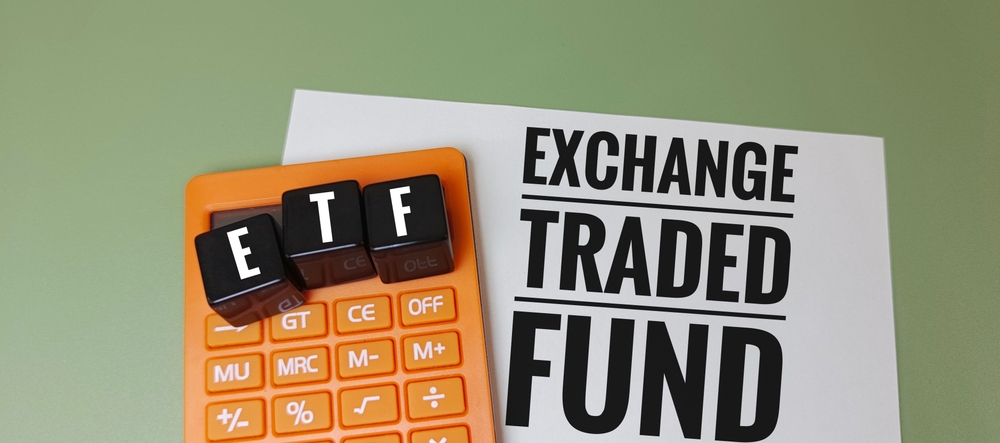
The Vanguard 500 Index Fund ETF has become one of the most recognized investment vehicles in the financial world. This exchange-traded fund (ETF) is designed to replicate the performance of the S&P 500, a benchmark index representing 500 of the largest U.S. publicly traded companies. For investors seeking exposure to the U.S. equity market, understanding the intricacies of the Vanguard 500 Index Fund ETF is crucial.
Understanding the Vanguard S&P 500 ETF
The Vanguard S&P 500 ETF is designed to track the performance of the S&P 500 index. The S&P 500 is widely regarded as a benchmark for the U.S. stock market, representing approximately 80% of the total market capitalization of U.S. equities. This ETF provides investors with a simple way to gain exposure to the broader U.S. economy without having to purchase individual stocks.
Key features of the Vanguard S&P 500 Index ETF include:
- Diversification: By investing in 500 companies, the ETF reduces the risk associated with individual stock fluctuations.
- Cost-effectiveness: Vanguard ETFs are known for low expense ratios, making them attractive to both retail and institutional investors.
- Liquidity: The ETF can be traded on major exchanges, allowing investors to buy and sell shares throughout the trading day.
- Performance Tracking: The fund closely mirrors the performance of the S&P 500, providing returns aligned with the broader U.S. stock market trading.
Investors can monitor the ETF S&P 500 Vanguard performance through charts and graphs, comparing it with other indices or benchmarks. Understanding the structure and objectives of the ETF is the first step in integrating it into a well-rounded investment strategy.
Vanguard 500 Index Fund (VOO) Details
The Vanguard 500 Index Fund, commonly referred to as VOO stock, is one of the flagship ETFs offered by Vanguard. Launched to provide investors with efficient exposure to the S&P 500, VOO has steadily gained popularity due to its low fees, transparency, and reliability.
Key Details Include:
- Expense Ratio: VOO has one of the lowest expense ratios among S&P 500 ETFs, typically under 0.05%, allowing investors to keep more of their returns.
- Dividend Yield: Investors receive dividends from the underlying stocks, which are distributed periodically, providing a consistent income stream.
- Market Capitalization Weighting: The ETF weights its holdings based on market capitalization, giving larger companies like Apple, Microsoft, and Amazon a more significant influence on performance.
- Accessibility: VOO is easily accessible through major brokers and trading platforms, making it simple for both beginners and experienced investors to trade.
Investing in Vanguard S&P 500 through VOO ensures exposure to a wide array of industries, including technology, healthcare, finance, and consumer goods. The fund’s design allows investors to benefit from long-term market growth while mitigating the risk of individual stock volatility.
How To Invest in the Vanguard 500 Index Fund ETF?
Investing in the Vanguard 500 Index Fund ETF is straightforward, but it requires understanding several steps:
- Select a Brokerage Account: Choose a brokerage platform that offers access to ETFs. Look for low trading fees, easy-to-use interfaces, and research tools.
- Fund Your Account: Deposit sufficient funds into your brokerage account to purchase VOO shares. Vanguard ETFs can be bought in whole or fractional shares, depending on the platform.
- Place an Order: Investors can use market orders, limit orders, or stop orders to buy VOO. Market orders execute immediately at the current price, while limit orders allow investors to set a preferred purchase price.
- Monitor Your Investment: Track the VOO stock performance through charts, news, and updates. Regular monitoring ensures alignment with investment goals and risk tolerance.
- Reinvest Dividends: Investors can choose to reinvest dividends automatically to take advantage of compounding returns.
By following these steps, investors can gain exposure to the Vanguard S&P 500 ETF efficiently while minimizing costs and administrative hurdles.
Why Vanguard ETFs Remain Popular with UK Investors in 2025?
Vanguard ETFs, including the Vanguard 500 Index Fund ETF, continue to attract UK investors due to several key factors:
- Low Costs: Vanguard’s commitment to minimal expense ratios appeals to investors seeking maximum returns.
- Diversification: ETFs provide exposure to hundreds of companies, reducing reliance on individual stock performance.
- Regulatory Trust: Vanguard is globally recognized, with strong compliance standards that reassure UK investors.
- Tax Efficiency: ETFs often generate lower capital gains distributions than mutual funds, providing potential tax advantages.
- Ease of Access: UK investors can purchase Vanguard ETFs through multiple trading platforms, making investment convenient and flexible.
The Vanguard S&P 500 ETF is beautiful because it provides international exposure to the U.S. market, historically one of the strongest-performing equity markets.
Top Vanguard ETFs for Broad Market Exposure
Beyond VOO, Vanguard offers a range of ETFs that provide broad market exposure:
- Vanguard Total Stock Market ETF (VTI): Covers the entire U.S. stock market, including small-cap and mid-cap stocks.
- Vanguard FTSE All-World ETF (VEU): Offers international equity exposure across developed and emerging markets.
- Vanguard Growth ETF (VUG): Focuses on high-growth U.S. companies with potential for long-term capital appreciation.
Investors looking to diversify beyond the S&P 500 can consider these options to balance their portfolios and reduce reliance on a single index.
Dividend & Income: Top Vanguard ETFs for Yield Seekers
For income-focused investors, several Vanguard ETFs offer attractive dividends:
- Vanguard High Dividend Yield ETF (VYM): Focuses on U.S. companies with above-average dividend yields.
- Vanguard Dividend Appreciation ETF (VIG): Invests in companies with a history of consistently increasing dividends.
These ETFs provide steady income streams, making them suitable for investors seeking golden dividends while still enjoying exposure to the broader market.
Example Vanguard ETF Portfolios by Risk Level
Example Vanguard ETF portfolios by risk level show how different combinations of funds can match various investment goals. They help illustrate general asset allocation approaches without specific financial advice.
Higher Risk – Chasing Returns
Aggressive investors may focus heavily on growth-oriented ETFs like VUG and VOO, aiming for high returns while accepting greater volatility.
Medium Risk – Balanced Approach
A balanced portfolio could combine VOO, VTI, and VIG, providing growth potential alongside moderate income and reduced volatility.
Lower Risk – Targeting Steady Growth
Conservative investors may prefer a mix of VOO, VIG, and bond ETFs, prioritizing steady growth and income with lower exposure to market swings.
Conclusion
The Vanguard 500 Index Fund ETF represents a cornerstone investment for both new and experienced investors seeking exposure to the U.S. equity market. Its low costs, diversification, and ease of access make it a powerful tool for building a balanced portfolio. Whether investors are focused on growth, income, or a combination, VOO and other Vanguard ETFs provide flexibility and efficiency.
By understanding Vanguard s&p 500 trading, monitoring VOO stock, and leveraging tools like the ETF S&P 500 Vanguard, investors can make informed decisions to achieve long-term financial goals. Vanguard ETFs continue to remain popular due to their transparency, reliability, and strong historical performance.
Faqs
How To Invest in the Vanguard S&P 500 ETF
Invest through a brokerage account, fund it, place market or limit orders, and monitor your investment regularly. Reinvest dividends for compounding growth.
What Vanguard ETF Tracks the S&P 500?
The Vanguard 500 Index Fund ETF (VOO) directly tracks the performance of the S&P 500.
Which Is Better, S&P 500 or VOO?
VOO provides direct, low-cost exposure to the S&P 500, making it an efficient vehicle to replicate index performance.
Is the Vanguard S&P 500 ETF Good for Diversification?
Yes, it offers diversified exposure to 500 U.S. companies across various sectors.
How Does the Vanguard S&P 500 ETF Compare to Other S&P 500 Index Funds?
VOO is known for its low expense ratio, high liquidity, and strong tracking of the S&P 500, making it a preferred choice among investors globally.
Trading account types

Choosing the right trading account is one of the most important decisions any investor makes before entering the financial markets. The account type you select directly affects your trading conditions, available features, and overall experience on the platform. Trading account types are designed to serve a wide range of trader profiles, from first-time investors exploring the markets through a risk-free demo environment, to high-volume traders seeking tighter spreads and premium support. Whether you are guided by Islamic finance principles, building your first portfolio, or scaling an active trading strategy, Evest offers a structured and transparent account framework to support your journey.
What Is Evest?
Evest is an online multi-asset CFD trading platform founded in 2020, built around the principle that trading should be accessible, transparent, and data-driven. The platform allows retail and professional traders to trade CFDs across a wide range of financial instruments, including forex, stocks, commodities, indices, ETFs, and cryptocurrencies. Evest is owned by ATRIAFINANCIAL HOLDINGS LTD, a company registered in the United Kingdom (registration number 12745548), with its registered address at 11 Blackheath Village, London, SE3 9LA.
The platform operates through three regulated entities. ATRIAFINANCIAL LTD is authorized by the Vanuatu Financial Services Commission (VFSC) under license number 17910. ATRIAFINANCIAL SA (PTY) LTD is licensed and regulated by the Financial Sector Conduct Authority (FSCA) in South Africa under license number 36060. The Mwali International Services Authority authorizes ATRIAFINANCIAL (COMOROS) LTD under license number T2023414.
Evest operates its own proprietary web and mobile trading platform in addition to supporting MT5, one of the most widely used trading terminals in the world. The broker is known for its zero-commission stock trading, copy trading service, Evest Academy for trader education, and Trading Central integration for professional market analysis.
Why Traders Choose Evest?
Evest has built its reputation in the MENA region on five key pillars that consistently stand out among its client base.
- First, the platform experience. Evest is designed to be seamless from the moment a trader arrives on the platform, whether they are an expert or a complete beginner. The interface combines simplicity with flexibility, allowing traders to navigate the markets without friction.
- Second, data integrity. In trading and investment, numbers are everything. Evest’s services are built around the purity of real-time market data, giving traders the accurate information they need to make informed decisions on every trade.
- Third, expert customer support. All Evest customer support staff are trained platform experts, available in both English and Arabic, 24 hours a day, five days a week, from Monday to Friday.
- Fourth, regulatory commitment. Evest operates under the licensing requirements of recognized international regulators, honoring the trust clients place in the company by maintaining full compliance at every level.
- Fifth, security of funds. Client funds are held in segregated accounts entirely separate from the company’s operational accounts. The platform is secured by Rapid-SSL encryption, and no one has authority over a client’s funds except the client themselves. Only the account holder can deposit, open or close trades, and withdraw funds.
Trading account types In Evest
Evest offers three main categories of trading accounts: live trading accounts structured across four deposit-based tiers, an Islamic trading account, and a demo account. Each is designed with a specific trader profile and set of needs in mind.
Live Trading Account Tiers
Evest structures its live trading accounts into four tiers based on deposit size. Each tier builds on the previous one, adding features and tightening spreads as the deposit level increases. All four tiers include a dedicated account manager, daily market summaries, and market analysis.
| Account Tier | Deposit Range | Spread From | Key Features |
| Silver | $250 – $4,999 | 1.8 pips | Account manager, Daily market summary, Market analysis |
| Gold | $5,000 – $19,999 | 1.4 pips | Account manager, Daily market summary, Market analysis, Daily SMS signal (1/day) |
| Platinum | $20,000 – $49,999 | 0.9 pips | Account manager, Daily market summary, Market analysis, Daily SMS signal, Senior account manager, Trading Central platform, Debit card (coming soon) |
| Diamond | $50,000+ | 0.5 pips | All Platinum features + No withdrawal fees, Special events invitations |
Silver Account
The Silver account is the entry point into live trading at Evest, accessible with a deposit between $250 and $4,999. It is designed for traders who are taking their first steps into live markets and want a structured, supported environment without committing a large capital outlay. Silver account holders receive a dedicated account manager who provides guidance tailored to their goals, along with daily market summaries and market analysis to keep them informed about price movements and opportunities. Spreads on this account start from 1.8 pips.
Gold Account
The Gold account is suited for traders who are ready to commit more capital and want access to a higher level of market intelligence. Available with a deposit between $5,000 and $19,999, this tier adds daily SMS trading signals, delivered once per day, on top of all Silver features. Spreads tighten to a starting point of 1.4 pips, offering improved trading conditions for more active strategies.
Platinum Account
The Platinum account is designed for serious and experienced traders operating with deposits between $20,000 and $49,999. In addition to everything available in the Gold tier, Platinum account holders gain access to a senior account manager for more advanced and personalized support, full access to the Trading Central platform for professional-grade technical analysis signals, and a debit card facility (coming soon). Spreads on this account start from 0.9 pips, reflecting significantly improved execution conditions.
Diamond Account
The Diamond account is Evest’s premium tier, available for deposits of $50,000 and above. It is built for high-volume professional traders who demand the best possible conditions and the highest level of service. Diamond account holders enjoy all Platinum features, combined with spreads starting from just 0.5 pips, complete removal of withdrawal fees, and exclusive invitations to Evest special events. This account represents the full Evest experience, combining elite trading conditions with dedicated premium support.
Evest Islamic Trading Account
The Evest Islamic Trading Account is one of the most significant offerings on the platform, particularly for the MENA market, where a large portion of traders follow Islamic financial principles. This account is fully Sharia-compliant and operates on a 100% interest-free basis, making it a genuinely halal brokerage account option for Muslim investors.
The core distinction of the Islamic account is the complete removal of the swap fee. In conventional trading accounts, overnight positions accumulate an interest-based rollover charge, which is considered riba under Islamic law and is therefore prohibited. The Islamic account eliminates this charge, allowing traders to hold positions open overnight without incurring any interest-related costs and without compromising their financial values.
Beyond the swap-free structure, the Islamic account provides access to the same full range of tradable instruments and platform features available across Evest’s live account tiers. Traders can access forex pairs, global stocks, commodities such as gold and silver, indices, ETFs, and cryptocurrency CFDs. This positions Evest as a credible, regulated choice for Muslim traders seeking a compliant trading environment that does not require them to sacrifice market access, platform quality, or transparency.
Evest Demo Account
The Evest Demo Account is the ideal starting point for anyone who is new to trading or new to the Evest platform. It provides a fully simulated trading environment where users can practice executing trades, explore platform features, and develop their strategies without putting any real capital at risk.
The demo environment mirrors live market conditions on the Evest platform, including real-time pricing and access to the same instruments available on live accounts. This means traders develop genuine market experience rather than working in an artificial or delayed environment. The Demo Account works in parallel with Evest Academy, the broker’s dedicated educational resource available at academy.evest.com, which provides structured learning content from beginner guides through to advanced trading strategies.
Switching from a demo to a live account is straightforward, and Evest’s account management team is available to help traders select the most appropriate live account tier based on their goals and available capital.
How to Start Trading with Evest?
Getting started with Evest is a simple and guided process designed to get traders into the markets quickly and safely.
1. Create an Account
Visit evest.com and complete the registration process by entering your personal information and submitting the required identification documents in line with KYC (Know Your Customer) regulations.
2. Verify Your Account
Once your account has been verified, you can choose between:
- Opening a Demo Account to practice trading risk-free
- Funding a Live Account to begin real trading
3. Access the Evest Trading Platforms
After funding your account, you will have full access to the Evest trading ecosystem, including:
- Evest Web Platform
- Evest Mobile App (available on Google Play & App Store)
- MT5 Platform for advanced trading users
4. Use Advanced Trading Features
All Evest platforms provide access to:
- Real-time market data
- Fast trade execution
- Portfolio management tools
- Trading Central for technical analysis
- Copy Trading feature to follow and replicate experienced traders in real time
5. Explore Evest Investment Baskets (EIBs)
Evest also provides Evest Investment Baskets (EIBs) — diversified thematic investment portfolios that combine technology with financial expertise.
How to Choose the Right Evest Account?
Selecting the right Evest account type comes down to understanding your own profile, goals, and capital. Here is a practical guide to making the right decision.
- If you are completely new to trading and want to learn the mechanics of the markets before committing real money, start with the Demo Account. Use it alongside Evest Academy to build foundational knowledge and test strategies in a zero-risk environment.
- If you are ready to trade with real capital and are starting with a moderate deposit, the Silver account provides a solid, well-supported entry point with a dedicated account manager and essential market tools. As your confidence and capital grow, moving up to the Gold or Platinum tier unlocks tighter spreads and more advanced market intelligence.
- If you are an experienced trader with significant capital and demand premium conditions, the Diamond account delivers the tightest spreads on the platform, no withdrawal fees, and exclusive access to senior support and special events.
- If you are a Muslim trader who requires a fully Sharia-compliant trading environment, the Islamic Trading Account provides the same market access and platform quality as the standard live accounts, without any interest-based charges.
FAQs
What is the minimum deposit to open a live trading account with Evest?
The minimum deposit to open a live trading account with Evest is $250, which places you in the Silver account tier. This gives you access to a dedicated account manager, daily market summaries, market analysis, and spreads starting from 1.8 pips. The Silver account is designed to provide a fully supported live trading experience without requiring a large upfront capital commitment.
What is the difference between the Evest Islamic Account and the standard live accounts?
The key difference is the removal of the swap fee. Standard live accounts charge an overnight rollover fee on positions left open past the end of the trading day, as this fee carries an interest component. The Islamic Account eliminates this charge, making it 100% Sharia-compliant and suitable for Muslim traders who follow Islamic finance principles. All other platform features, market access, and trading conditions remain consistent across both account types.
Can I switch from the Demo Account to a live account at any time?
Yes. The Demo Account is designed as a risk-free practice environment that mirrors real market conditions on the Evest platform. Once you feel confident in your understanding of the markets and your trading approach, you can open a live account at any time. Evest's account management team is available to guide you through the process and help you select the most appropriate live account tier based on your goals and the capital you are ready to deploy.
What additional benefits do higher-tier accounts offer?
Higher deposit tiers unlock progressively better trading conditions and exclusive features. The Gold account adds daily SMS trading signals on top of the core features available across all tiers. The Platinum account introduces a senior account manager and full access to the Trading Central platform for professional technical analysis. The Diamond account, available for deposits of $50,000 and above, includes all Platinum features alongside spreads starting from 0.5 pips, no withdrawal fees, and invitations to exclusive Evest special events.
Forex Demo Account: How to Practise Trading with Evest?
A forex demo account allows users to explore market prices, order types, and risk-management tools using virtual funds instead of their own money. Evest offers a free demo account with $25,000 in virtual funds, live market data, and access to more than 400 financial instruments, helping beginners become familiar with the platform before considering live trading.
However, demo trading does not eliminate the risks associated with live trading or guarantee similar results. Real-money trading involves financial exposure, emotional pressure, and execution conditions that cannot be fully replicated in a simulated environment.
How Demo Trading Differs from Live Trading?
Forex demo accounts simulate key parts of live trading, including price movements, spreads, charts, and order types. However, they cannot reproduce every condition experienced in a live account.
The main differences involve real financial exposure, emotional pressure, order execution, and possible slippage. Understanding these limitations helps traders use a demo account as a structured learning tool rather than as proof of future trading performance.
- No Financial Risk: The most apparent difference is the absence of real financial exposure. This eliminates fear and emotional stress, which are significant factors in live trading mistakes. Beginners often underestimate the psychological challenges in trading real money, where emotions like fear and greed influence decisions.
- Order Execution and Slippage: Demo orders are simulated and may be filled differently from orders placed in a live account. In live trading, the final execution price can be affected by liquidity, volatility, changing spreads, and slippage, particularly during major news events or rapid market movements.
- Psychological Experience: Trading with a demo account cannot fully replicate the emotional pressure associated with real trading. While one can practice strategy and decision-making, the adrenaline of potential losses or gains is absent.
- A demo account is useful for learning how different order types work, but users should not assume that every live order will be executed at exactly the same speed or price shown during demo trading.
- Risk-Free Experimentation: Demo accounts allow traders to test extreme strategies without worrying about capital loss. This flexibility is beneficial when experimenting with different forex trading strategies, such as scalping, swing trading, or trend following.
Understanding these differences ensures traders use demo accounts effectively as a learning tool, bridging the gap between theoretical knowledge and real trading experience.
Making Forex Demo Accounts More Realistic
To make demo trading more useful, traders should treat the virtual balance as if it were real capital. Start by using position sizes and leverage levels that reflect what you could realistically use in a live account.
Set a maximum risk level for each trade, use stop-loss and take-profit orders, and record every position in a trading journal. Traders should also avoid placing trades they would not be willing to take with real money simply because the demo funds cannot be lost.
Following consistent rules turns the Evest demo account from a risk-free experimentation tool into a more structured training environment. However, even disciplined demo trading cannot fully reproduce the emotional and financial pressure of trading with real capital.
Advantages of Starting Forex Trade with a Demo Account
There are numerous benefits to starting your trading journey with forex demo accounts:
- Risk-Free Learning: Beginners can understand trading basics, practice technical analysis, and execute demo account trading in forex without risking capital.
- Familiarity with Platforms: Demo accounts allow traders to explore Evest’s interface, charting tools, and order types. Familiarity with the trading platform improves efficiency when moving to real accounts.
- Testing Strategies: Traders can experiment with different forex trading strategies, including scalping, swing trading, or news-based approaches, and refine them before applying them in live markets.
- Confidence Building: Repeated practice in demo accounts develops confidence in decision-making, risk assessment, and trade execution.
- Understanding Market Mechanics: Demo accounts expose traders to spreads, slippage, margin requirements, and leverage effects, helping them learn practical aspects of forex trading that are often overlooked in theory.
- Safe Introduction to Volatility: Market fluctuations can be daunting. Using a forex trading demo account allows traders to experience volatility without the financial pressure, helping them develop patience and discipline.
- Evaluation of Performance: Traders can track their performance over time, identify strengths and weaknesses, and adjust strategies accordingly.
Starting with a demo account can help traders understand the platform, practise risk controls, and evaluate their decision-making process without putting capital at risk.
However, performance in a demo account should be treated as part of the learning process rather than evidence that the same strategy will produce profitable results under live market conditions.
What Should You Look for in a Forex Demo Account?
A useful forex demo account should provide the tools needed to learn how a trading platform works under simulated market conditions. Important features include live market data, access to different order types, charting tools, risk-management settings, and a realistic selection of financial instruments.
Evest provides a free demo account with $25,000 in virtual funds, live data, and access to more than 400 financial instruments. No initial deposit is required, allowing users to explore the platform and practise placing and managing trades before deciding whether live trading is appropriate for them.
When Should You Consider Moving from a Demo to a Live Account?
Consistent demo profits alone are not enough to determine whether someone is ready for live trading. Demo accounts do not fully reproduce the emotional pressure, financial consequences, or execution conditions associated with real-money trading.
Before considering a live account, traders should be able to:
- Follow a written trading plan consistently.
- Define the maximum amount they are prepared to risk on each trade.
- Calculate position sizes before entering the market.
- Use stop-loss and take-profit orders correctly.
- Record and review trades in a trading journal.
- Measure losses and maximum drawdown, not only profitable trades.
- Avoid changing strategies after every short-term loss.
- Understand that demo performance does not guarantee live results.
Even after meeting these conditions, traders should only use capital they can afford to lose and begin with risk levels that reflect their financial circumstances and experience.
Demo Account Features
A forex trading demo account includes several features that mirror live trading environments:
- Real-Time Quotes: Access to live market prices ensures realistic trading conditions.
- Order Types: Execute market, limit, stop-loss, and take-profit orders.
- Leverage Options: Practice using Leverage safely to understand its effects on potential gains and losses.
- Analytical Tools: Charts, indicators, and trend analysis tools help refine trading strategies.
- Performance Tracking: Keep track of profits, losses, and trading metrics to evaluate skill development.
- Multiple Currency Pairs: Trade major, minor, and exotic currency pairs to diversify learning.
These features collectively make the best forex demo account a powerful educational resource for beginners and experienced traders alike.
What Can You Trade with a Demo Account?
With an Evest demo account, users can explore more than 400 financial instruments using virtual funds and live market data. This allows them to become familiar with the way different instruments move and how orders are placed and managed through the platform.
Common forex pairs that users may encounter include EUR/USD, USD/JPY, and USD/CHF. Instrument availability and trading conditions may vary according to the user’s region, platform policies, and current market availability, so users should check the instruments displayed inside their Evest account.
Skill Development Through Demo Trading
Demo trading provides a practical way to develop trading skills in a risk-free environment. It allows users to practice and gain experience while becoming more comfortable with market platforms and tools.
Technical Analysis
A demo account allows traders to practise reading charts, applying indicators, and observing price trends without risking their own capital. Technical analysis can support a more structured decision-making process, but no indicator or analytical method can guarantee profitable results.
Strategy Testing
Traders can use a demo account to forward-test their trading rules under current simulated market conditions and review how those rules perform over a series of trades.
Backtesting is a separate process that evaluates a strategy using historical market data and requires a platform or external tool that specifically supports historical testing. It should not be presented as a standard demo-account feature unless that functionality has been confirmed.
Risk and Money Management
Practicing risk management techniques, such as calculating lot sizes and setting stop-loss levels, is critical in preparing for live markets.
Emotional Control
Even in a demo account, traders can simulate the discipline required for live trading by sticking to plans and avoiding impulsive decisions.
A forex demo account is most valuable when it is used to learn how a platform works, practise different order types, and apply consistent risk-management rules without risking personal capital.
Evest provides a free demo account with $25,000 in virtual funds, live market data, and access to more than 400 financial instruments. These features allow users to explore the platform and develop a more structured trading process before considering a live account.
However, demo trading cannot fully reproduce the emotions, financial exposure, slippage, or execution conditions of live trading. It should therefore be used as a preparation and learning tool, not as a guarantee of future trading performance.
FAQs
How long do forex demo accounts last?
Most brokers, including Evest, offer demo accounts with unlimited access or predefined durations, often ranging from 30 days to 90 days. Some allow renewal at any time.
Can I renew my demo account?
Yes, demo accounts can typically be renewed or reactivated, allowing continued practice and skill development.
What is the difference between a demo account and a live trading account?
The key difference is financial risk. A demo account uses virtual funds for practice, whereas a live account involves real money, requiring strict risk management and emotional discipline.
What Is USD to CHF? Essential Basics for Traders & Investors
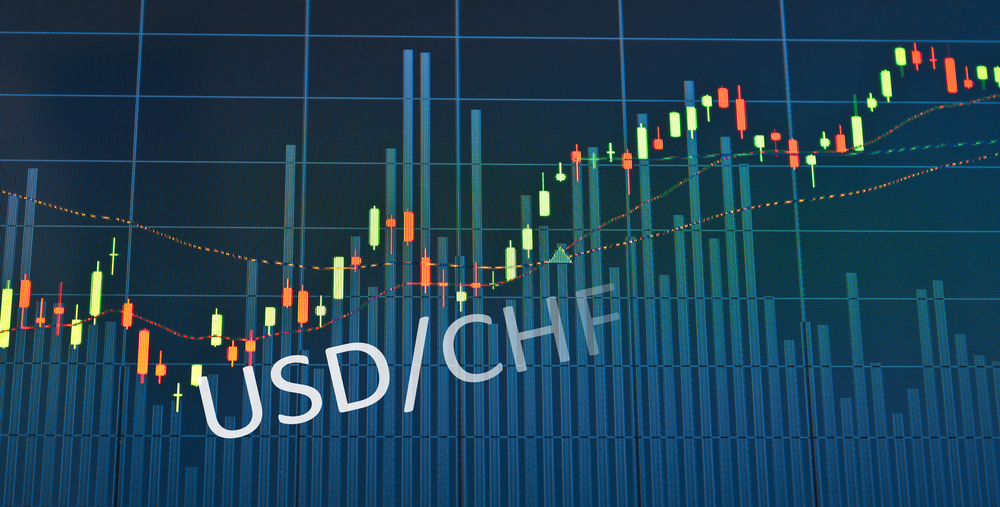
Understanding forex trading starts with knowing the major currency pairs and how their exchange rates operate. One such pair that draws attention among traders worldwide is the USD/CHF, representing the value of the US dollar against the Swiss franc. For traders, knowing what USD to CHF is is crucial, as this pair is widely used for hedging, speculation, and safe-haven investments.
The USD/CHF currency pair is highly liquid, offers consistent price movements, and provides a unique opportunity to analyze global economic dynamics. Platforms like Evest offer advanced tools, charts, and signals to help traders monitor USD CHF charts, track trends, and execute trades efficiently.
What Does USD CHF Mean?
USD/CHF refers to a commonly traded currency pair in the global foreign exchange market, representing the relationship between two major world currencies:
Definition of USD/CHF as a Forex Currency Pair
USD/CHF is a currency pair where the US dollar (USD) is the base currency and the Swiss franc (CHF) is the quote currency. The exchange rate represents how many Swiss francs are needed to purchase one US dollar. For example, if USD/CHF is 0.9250, it means 1 USD equals 0.9250 CHF.
Why the US Dollar and Swiss Franc Are Commonly Traded?
The US dollar is the most traded currency in the world due to its global acceptance, economic influence, and status as a reserve currency. The Swiss franc is considered a safe-haven currency due to Switzerland’s economic stability, low inflation, and strong banking system. The combination of these two currencies attracts traders who seek both liquidity and stability.
How Traders Interpret the Price of USD/CHF?
Traders use USD/CHF prices to gauge market sentiment. A rising USD/CHF rate indicates a stronger US dollar relative to the Swiss franc, while a declining rate shows franc strength. Understanding these movements, alongside economic and geopolitical factors, is essential for making informed trading decisions.
How Does USD/CHF Trading Work?
USD/CHF trading involves analyzing the price movement between two major currencies within the foreign exchange market.
Base Currency vs Quote Currency
In USD/CHF, the US dollar is the base currency and the Swiss franc is the quote currency. Buying USD/CHF means buying USD while selling CHF, and selling USD/CHF involves selling USD to buy CHF.
How to Read USD/CHF Price?
The price shows how much of the quote currency (CHF) is required to purchase one unit of the base currency (USD). Traders use this information to plan entries and exits in forex positions.
Liquidity and Volatility of the Pair
USD/CHF is moderately volatile compared to other major pairs, providing opportunities for both short-term traders and long-term investors. Its liquidity ensures tight spreads and efficient trade execution, which is crucial for effective risk management.
Factors That Influence the USD/CHF Exchange Rate
The USD/CHF exchange rate is shaped by a range of global and market-related factors that affect currency movements:
US Economic Data
Economic indicators like GDP, unemployment rates, and consumer spending affect the USD. Positive data strengthens the USD, whereas weaker data can lead to depreciation.
Swiss Economic Stability
Switzerland’s stable economy and prudent fiscal policies make the CHF a preferred safe-haven. Changes in Swiss economic conditions influence USD/CHF movements.
Safe-Haven Demand for the Swiss Franc
During global uncertainty, investors flock to CHF due to its reputation as a low-risk currency. This demand can strengthen CHF relative to USD, impacting the USD/CHF rate.
Interest Rates from the Federal Reserve & Swiss National Bank
Monetary policies, including interest rate adjustments, directly impact currency valuation. Higher US interest rates tend to strengthen the USD, while changes in Swiss rates affect the CHF demand.
How to Exchange USD to CHF?
Exchanging USD to CHF involves converting one currency into another through recognized financial channels:
Where and How to Exchange the Currency?
USD can be exchanged for CHF via banks, forex brokers, or online trading platforms like Evest. Each method has its own costs, spreads, and execution speeds.
Costs, Spreads, and Conversion Fees
Traders should consider the cost of transactions, including spreads (the difference between buying and selling prices) and additional fees. Lower costs improve profitability in forex trading.
Online Tools to Check Live Conversion
Platforms like Evest offer live USD CHF charts and conversion tools, making it easier for traders to monitor rates and execute trades efficiently.
USD CHF Chart: How to Read It?
A USD/CHF chart visually shows how the exchange rate moves over time in the financial markets. It helps users observe price changes and understand general market direction without focusing on detailed analysis.
Types of Charts
Line charts show overall trends, while candlestick charts provide detailed insights into price movements with open, high, low, and close data.
Price Movement Basics
Charts help traders identify bullish or bearish trends, detect volatility, and plan trade entries and exits.
Timeframes for Analysis
Traders analyze charts across different timeframes—short-term for scalping trading or day trading, long-term for swing or position trading—to align strategies with market behavior.
Understanding What Is USD to CHF Graph Is
Understanding a USD to CHF graph helps illustrate how the exchange rate between the two currencies changes over time.
Trend Analysis (Uptrend, Downtrend, Sideways)
The USD CHF graph helps identify prevailing trends. Uptrends indicate USD strength, downtrends indicate CHF strength, and sideways movements signal consolidation.
Support and Resistance
Support and resistance levels indicate price points where the market may reverse or stall, providing valuable signals for trading decisions.
What the Graph Reveals About Market Sentiment
Analyzing the graph shows trader behavior, investor confidence, and market expectations, helping traders anticipate potential price movements.
USD CHF Signals: Should You Use Them?
USD/CHF signals are tools used to highlight potential market movements based on general market activity. Traders often reference them to gain insight into possible trends without relying on detailed decision-making.
What are Trading Signals?
USD CHF signals are alerts generated based on technical indicators or market analysis, suggesting potential trade opportunities.
Technical Indicators Commonly Used for USD/CHF
Indicators such as moving averages, RSI, MACD, and Bollinger Bands help traders identify trends, momentum, and potential reversals.
Pros & Cons of Following Forex Signals
Signals can guide inexperienced traders, but relying solely on them without understanding the market can be risky. Combining signals with personal analysis improves decision-making.
Best Trading Strategies for USD/CHF
Choosing suitable trading strategy for USD/CHF focuses on understanding how this currency pair behaves in different market conditions. Traders often look at overall trends and market dynamics to guide their approach.
Trend-Following Strategies
Following the prevailing trend helps traders capture profits from sustained movements in USD/CHF.
Breakout Trading
Traders look for key support or resistance levels to anticipate breakout moves and take advantage of sharp price changes.
Safe-Haven Reaction Strategies
During global uncertainty, CHF tends to strengthen. Traders may use this knowledge to hedge positions or exploit volatility.
Risk Management for USD/CHF Traders
Setting stop-loss orders, managing lot sizes, and monitoring exposure help mitigate potential losses in USD/CHF trading.
Is USD/CHF a Good Pair for Beginners?
USD/CHF is often considered by many traders as a commonly followed currency pair in the forex market. Its regular activity and market presence make it a familiar option for those starting to explore currency trading.
Why Do Some Traders Prefer It?
Moderate volatility and high liquidity make USD/CHF attractive for beginners learning forex trading strategies.
Risk Level
Compared to other major pairs, USD/CHF has manageable risk when traders use proper position sizing and risk management.
Daily Price Ranges
Understanding average daily ranges helps beginners plan trades and avoid overexposure.
Conclusion
The USD/CHF pair offers a unique blend of stability and trading opportunities. By understanding what USD to CHF is, monitoring USD CHF charts and USD CHF signals, and applying disciplined strategies, traders can navigate this currency pair confidently. Platforms like Evest provide the tools, analytics, and educational resources to help both beginners and advanced traders make informed decisions. Using demo accounts initially and gradually transitioning to live trading ensures a safe and effective learning curve.
FAQs
What does USD to CHF mean in currency trading?
USD/CHF represents the exchange rate between the US dollar (USD) and the Swiss franc (CHF), showing how many CHF are needed to buy 1 USD.
How does the USD to CHF exchange rate work?
The exchange rate reflects supply and demand, economic data, interest rates, and global investor sentiment affecting the USD and CHF.
What factors influence the USD CHF price movement?
Factors include US and Swiss economic performance, interest rate policies, safe-haven demand, geopolitical events, and market sentiment.
How can I exchange USD to CHF safely and at the best rate?
Use reliable banks, regulated brokers, or online platforms like Evest that provide competitive spreads and secure transactions.
Is USD CHF a major forex pair?
Yes, USD/CHF is a major currency pair known for liquidity, moderate volatility, and widespread trading interest.
What Is Forex Trading? How Does It Work?
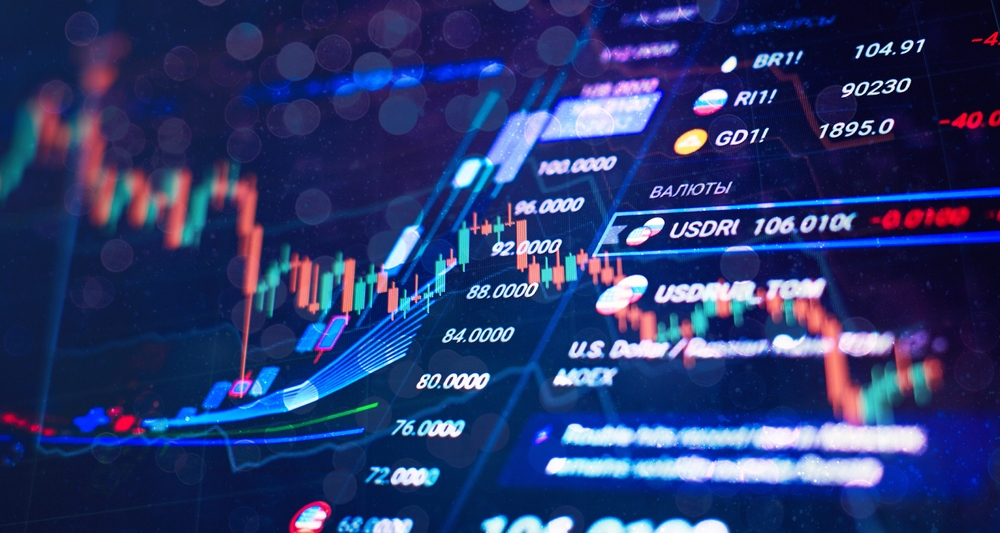
Forex trading involves taking a position on the exchange rate between two currencies, such as EUR/USD or GBP/USD. Traders may profit if the market moves in their expected direction, but they may also lose money, particularly when leverage is used. This Evest guide explains how forex trading works, the main terms beginners need to understand, and the costs and risks to consider before placing a trade.
How Forex Trading Works?
Forex trading involves speculating on whether one currency will rise or fall against another. Depending on the product, account type and Evest entity serving the client, traders may be trading a derivative such as a Contract for Difference rather than physically buying and owning the underlying currencies. Traders should review the product specifications, fees and risk disclosures applicable to their account before trading.
Currency Pairs and Exchange Rates
Currencies are traded in pairs, such as EUR/USD or USD/JPY. The first currency is the base currency, while the second is the quote currency. The exchange rate shows how much of the quote currency is needed to purchase one unit of the base currency. For example, if EUR/USD is 1.1000, it means 1 euro equals 1.10 U.S. dollars. Forex trading platforms display real-time quotes and allow traders to execute buy or sell orders based on these rates.
What Causes Currency Prices to Move?
Currency prices fluctuate due to a variety of factors, including economic indicators, geopolitical events, central bank policies, interest rate changes, and market sentiment. Traders monitor news releases, such as inflation data, employment reports, and trade balances, to anticipate price movements. Understanding these dynamics helps traders develop effective forex trading strategies.
Major vs Minor vs Exotic Pairs
Major currency pairs include the most traded currencies like USD, EUR, JPY, GBP, AUD, and CHF. Minor pairs involve less common combinations, while exotic pairs combine a primary currency with a smaller economy’s currency. Each type has its own level of liquidity, volatility, and risk, which directly influences trading opportunities.
Key Market Sessions (London, New York, Asian)
The forex market operates in three main sessions: Asian, European (London), and North American (New York). Each session has distinct characteristics in terms of volatility and trading volume. Traders often time their entries and exits based on the session with the highest activity for their chosen currency pair.
Why People Trade Forex?
Forex trading attracts millions worldwide because of its unique features and profit potential.
Profit Opportunities
Forex price movements may create trading opportunities, but no strategy or use of leverage guarantees a profit. Leverage does not improve the quality of a trading opportunity; it simply increases the size of the trader’s exposure. Traders should evaluate potential losses before potential gains and use a predefined risk management plan for every position.
High Liquidity
The foreign exchange market is one of the largest and most liquid financial markets in the world. Global foreign exchange turnover includes spot transactions, forwards, swaps, options and other instruments, not only retail forex trades. While major currency pairs often have relatively high liquidity and competitive spreads, execution speed, spreads and available liquidity may still vary depending on market conditions, the trading session and the selected currency pair.
Leverage Benefits and Risks
Leverage allows traders to open a position that is larger than the amount deposited as margin. This increases market exposure and can magnify both profits and losses. A relatively small movement against the trader’s position may therefore result in a significant loss, including the loss of the amount allocated to the trade. Beginners should understand margin requirements, position sizing and stop-out rules before using leverage.
Accessibility Through Online Platforms
Modern forex trading platforms like Evest enable traders to access global markets with just a few clicks. Features such as real-time charts, technical indicators, and one-click execution make trading convenient and efficient, even for beginners.
What is Forex Trading for Beginners?
Beginners must understand the foundational concepts to navigate the forex market successfully.
Essential Concepts (Pips, Lots, Leverage, Margin)
- Pip: A standard unit used to measure price movements in a currency pair. For most currency pairs, one pip is equal to 0.0001, while pairs involving the Japanese yen are commonly quoted with one pip equal to 0.01. Some platforms may also display fractional pips.
- Lot: A standardized position size in forex trading. A standard lot commonly represents 100,000 units of the base currency, a mini lot represents 10,000 units and a micro lot represents 1,000 units. The available trade sizes may vary depending on the account and platform.
- Leverage: Borrowed capital to increase exposure.
- Margin: Funds required to open a leveraged position.
How to Read Forex Charts?
Charts display price movements over time. Line charts show closing prices, while candlestick charts provide detailed data on open, high, low, and close prices. Understanding these charts is crucial for implementing effective forex trading strategies.
Common Mistakes Beginners Make
New traders often over-leverage, ignore risk management, or trade emotionally. Using a forex trading demo account can help beginners practice without risking real money.
How Beginners Can Start Safely?
Starting with small positions, using demo accounts, and following simple strategies helps beginners build confidence and skills before engaging in live trading.
Forex Trading Platforms
Forex trading platforms are digital tools that enable users to buy and sell currencies in the market. They provide access to real-time data, trading features, and resources to help traders navigate the forex market effectively.
What is a Forex Platform?
A forex trading platform is software that allows traders to access the forex market. It enables order placement, account management, and market analysis.
Features to Look For
Key features include real-time charts, technical indicators, fast execution speed, customizable layouts, and risk management tools. Platforms should also offer demo accounts for safe practice.
Popular Platform Examples
Popular platforms, without naming brands, generally provide desktop, web, and mobile access, allowing traders to execute trades anywhere and anytime.
Forex Trading Strategies
Effective forex trading strategies help traders capitalize on market opportunities while managing risks.
Scalping
Scalping involves making multiple trades to capture small price movements. It requires quick decision-making and tight risk controls.
Day Trading
Day traders open and close positions within a single trading day, avoiding overnight risks and capitalizing on daily market volatility.
Swing Trading
Swing trading targets short- to medium-term price swings over several days. Traders use technical and fundamental market analysis to identify opportunities.
Trend Following
Trend following involves identifying and trading in the direction of prevailing market trends. Traders use indicators like moving averages and trend lines.
Fundamental & News Trading
This strategy relies on economic data releases, geopolitical events, and news reports to predict currency price movements.
Forex Trading Demo Account
A forex trading demo account allows users to practice trading currencies without risking real money. It helps beginners and experienced traders alike to test strategies and become familiar with the trading platform.
What is a Forex Demo Account?
A forex demo account allows users to practise with virtual funds in a simulated trading environment. It can help beginners learn how to place orders, read charts and test basic strategies without risking real capital. However, demo trading may not fully reflect live-market conditions, including emotional pressure, slippage, liquidity changes and differences in order execution.
Benefits for Beginners
Demo accounts help traders practice strategies, understand platforms, and learn forex trading for beginners without risking capital.
How to Practice Without Risking Money?
Traders can experiment with different forex trading strategies, analyze results, and build confidence before transitioning to live accounts.
Is Forex Trading Halal or Haram?
The question of whether forex trading is halal or haram is often discussed in the context of Islamic finance principles.
Islamic Perspective
The Shariah assessment of forex trading depends on the complete structure of the transaction, including the nature of the traded product, settlement, possession, leverage, financing arrangements and applicable fees. Scholars may hold different opinions depending on these details. Traders seeking a Shariah-compliant option should review the full account terms and consult a qualified Shariah specialist before trading.
What Makes a Forex Trade Halal?
Trades must be immediate (spot) and free from interest charges.
Islamic (Swap-Free) Trading Accounts
Evest may offer swap-free account options for eligible clients, subject to the applicable account terms and conditions. A swap-free account may remove or replace certain overnight financing charges, but this feature alone does not determine whether every trade is Shariah-compliant. Traders should review any administrative fees, holding-period conditions and product specifications before opening a position.
Risks of Forex Trading
Forex trading carries various risks that can affect both new and experienced traders. Understanding these risks helps individuals make informed decisions and manage their exposure in the market.
Leverage Risks
High leverage amplifies gains and losses, making it essential to manage exposure carefully.
Market Volatility
Currency markets can be unpredictable, influenced by geopolitical events and economic announcements.
Emotional Trading
Traders may make impulsive decisions under pressure. Using demo accounts helps reduce emotional trading mistakes.
Importance of Risk Management
Stop-loss orders, position sizing and predefined risk limits can help traders manage their exposure, but they cannot eliminate trading risk. During market gaps, major news events or periods of extreme volatility, a stop-loss order may be executed at a different price from the level selected by the trader.
FAQs
What is forex trading and how does it work?
Forex trading involves buying one currency and selling another simultaneously, aiming to profit from exchange rate fluctuations.
Is forex trading suitable for beginners?
Yes, beginners can start safely using demo accounts, small positions, and simple strategies.
What are the main forex trading strategies?
Strategies include scalping, day trading, swing trading, trend following, and news/fundamental trading.
Which platform is best for forex trading?
A reliable platform should offer real-time charts, fast execution, demo accounts, and risk management tools.
Is forex trading considered halal or haram?
Forex trading can be halal if it complies with Islamic principles, using spot trades and swap-free accounts.