
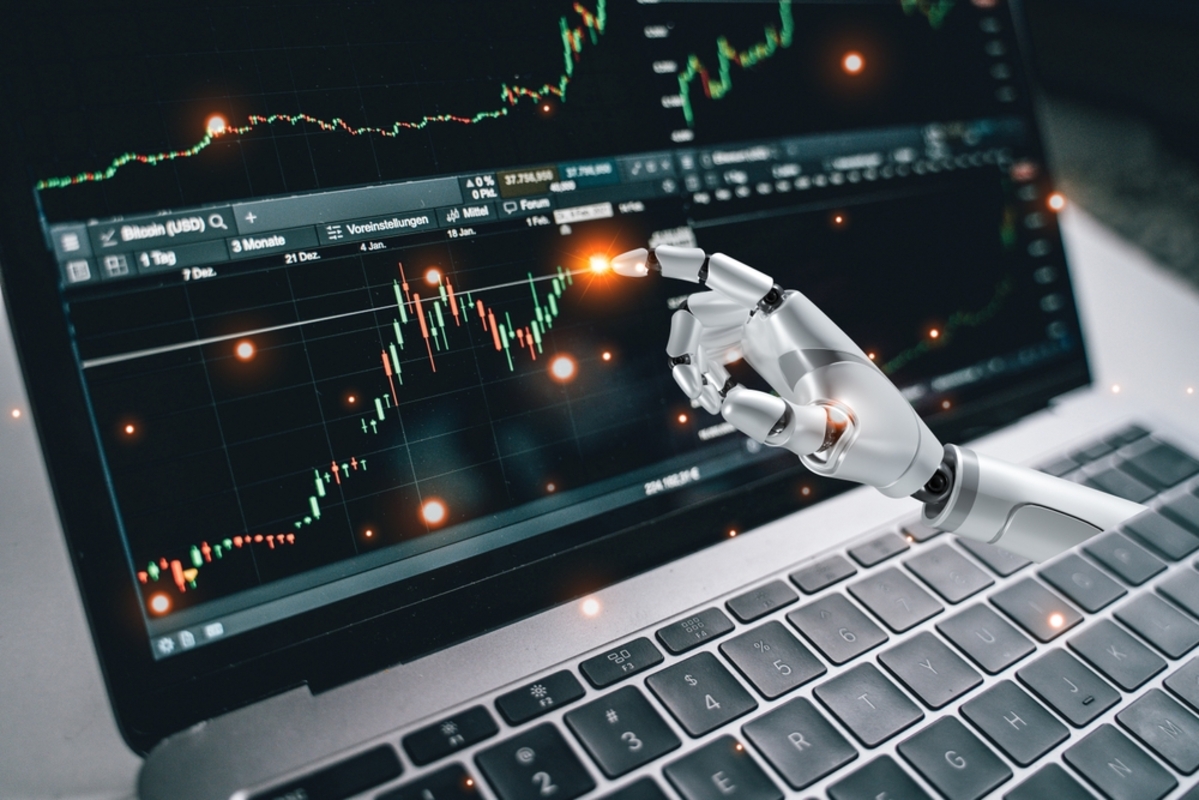
Technology has transformed the financial markets by making trading faster, more efficient, and accessible to traders around the world. One of the most popular innovations in modern trading is automated forex trading, which allows software and trading bots to execute trades based on predefined strategies. These systems can analyze market conditions, open positions, and manage trades without constant human intervention. Many traders use automated solutions to reduce emotional decision-making and improve trading discipline. Understanding how automated trading works can help traders choose the right tools and strategies for long-term market success.
What Is Automated Forex Trading?
Automated forex trading represents a revolutionary approach to currency trading, where predefined algorithms execute trades on behalf of traders without manual intervention. This method leverages technology to analyze market conditions, identify opportunities, and place trades at speeds impossible for humans to achieve. The concept has gained significant traction in recent years as traders seek efficiency, precision, and the ability to capitalize on market movements around the clock. At its core, automated forex trading eliminates human emotions from decision-making, which is often the root cause of costly mistakes in manual trading. Platforms like Evest provide valuable insights into how these systems operate and their potential benefits for both novice and experienced traders.
The rise of automated trading can be attributed to several key factors. First, the increasing accessibility of advanced trading technologies has democratized algorithmic trading, making it available to a broader audience. Second, the forex market’s 24-hour nature demands constant monitoring, which automated systems can provide without fatigue. Finally, the ability to backtest strategies against historical data allows traders to refine their approaches before deploying capital. However, it’s crucial to understand that while automated forex trading offers numerous advantages, it also comes with inherent risks that must be carefully managed.
How Automated Trading Systems Work?
Understanding how automated trading systems function is essential for anyone considering this approach. These systems operate through a combination of sophisticated components that work in harmony to execute trades based on predefined criteria. The process begins with data collection, where the system gathers real-time market information from various sources. This data is then processed through algorithms designed to identify patterns, trends, and potential trading opportunities. The system’s ability to analyze vast amounts of information in milliseconds allows it to react to market changes faster than any human trader could.
- Data Collection and Analysis: Automated systems continuously monitor multiple currency pairs, economic indicators, and news events that could impact forex markets. They use both fundamental and technical analysis to assess market conditions. For example, a system might track interest rate announcements from central banks or analyze price charts using moving averages and other technical indicators.
- Signal Generation: Once the system identifies a potential trading opportunity, it generates a signal. This signal could be based on a variety of factors, such as a specific price level being reached, a particular technical pattern forming, or a fundamental event occurring. The signal serves as the trigger for the next step in the process.
- Trade Execution: After a signal is generated, the system executes the trade according to the predefined rules. This step involves placing buy or sell orders in the market at the optimal time and price. The execution process must be fast and reliable to ensure the trade is filled at the desired parameters.
- Risk Management: One of the most critical aspects of automated forex trading is risk management. The system must include rules for setting stop-loss and take-profit levels, as well as position sizing based on trading account balance and risk tolerance. Effective risk management ensures that losses are limited and profits are protected.
Algorithms
The heart of any automated forex trading system lies in its algorithms. These are complex sets of rules and mathematical models designed to interpret market data and make trading decisions. Algorithms can be as simple as following a basic moving average crossover strategy or as complex as incorporating machine learning techniques to adapt to changing market conditions. The development of these algorithms often requires a deep understanding of both programming and financial markets.
Types of Algorithms Used in Automated Trading:
- Technical Indicators-Based Algorithms: These rely on standard technical analysis tools like RSI, MACD, or Bollinger Bands to generate trading signals.
- Machine Learning Algorithms: These use historical data to identify patterns and make predictions about future price movements. They can adapt and improve over time as they process more data.
- Statistical Arbitrage Algorithms: These exploit small price inefficiencies between related assets or markets, often used in high-frequency trading.
- Sentiment Analysis Algorithms: These gauge market sentiment by analyzing news, social media, and other sources to predict price movements based on public perception.
Key Characteristics of Effective Algorithms:
- Accuracy: The algorithm must correctly identify trading opportunities and avoid false signals.
- Adaptability: It should be able to adjust to changing market conditions and avoid becoming obsolete.
- Speed: The ability to execute trades quickly is crucial, especially in volatile markets.
- Robustness: The algorithm must handle unexpected market events without failing or producing erratic results.
Developing a successful algorithm often involves extensive backtesting and optimization. Traders must test their algorithms against historical data to ensure they perform as expected under various market conditions. However, it’s important to note that past performance is not always indicative of future results, and over-optimization can lead to systems that perform well in backtests but fail in live trading.
Trading Signals
Trading signals are the triggers that initiate buy or sell orders within an automated forex trading system. These signals are generated based on the criteria defined by the algorithm and can be derived from a variety of sources. Understanding how trading signals work is crucial for anyone looking to implement automated forex trading, as the quality of these signals directly impacts the system’s success.
Sources of Trading Signals:
- Technical Analysis Signals: Generated from price charts and indicators such as moving averages, Fibonacci retracements, or candlestick patterns.
- Fundamental Analysis Signals: Based on economic data releases, such as GDP reports, employment figures, or central bank announcements.
- Sentiment-Based Signals: Derived from news sentiment analysis, social media trends, or other indicators of market psychology.
- Statistical Signals: Generated from statistical models that identify deviations from historical norms or correlations between different assets.
Types of Trading Signals:
- Entry Signals: Indicate when to enter a trade, either by buying or selling a currency pair.
- Exit Signals: Determine when to close a trade, either to take profits or cut losses.
- Stop-Loss Signals: Automatically close a trade if it moves against the trader by a specified amount.
- Take-Profit Signals: Close a trade when it reaches a predetermined profit level.
Execution Systems
The execution system is the component of an automated forex trading setup that actually places trades in the market. This system must be highly reliable, as delays or failures in execution can lead to missed opportunities or losses. The choice of execution system can significantly impact the overall effectiveness of an automated trading strategy.
Components of an Execution System:
- Broker Integration: The system must be compatible with the chosen forex broker, ensuring seamless communication and order execution.
- Order Types: Support for various order types, including market orders, limit orders, stop orders, and trailing stops.
- Latency: Low latency is essential for high-frequency trading, where even milliseconds can make a difference.
- Error Handling: Robust mechanisms to handle execution errors, such as failed orders or slippage.
Factors to Consider When Choosing an Execution System:
- Broker Reputation: Selecting a reputable broker with a strong track record in automated trading is crucial. Evest platform often highlights brokers that support automated trading with reliable execution.
- API Access: The broker must provide a stable and well-documented API for connecting automated systems.
- Execution Speed: Faster execution can be beneficial, especially in volatile markets where prices can change rapidly.
- Fees and Commissions: Lower fees and commissions can significantly improve the profitability of automated trading strategies.
Common Execution Challenges:
- Slippage: The difference between the expected price of a trade and the actual executed price, which can occur in fast-moving markets.
- Requotes: When the broker provides a new price after an order is placed, it potentially leads to missed opportunities.
- Connection Issues: Network or server issues that can disrupt the execution process.
Types of Automated Forex Trading Systems
Automated forex trading systems come in various forms, each designed to cater to different trading styles and objectives. Understanding the different types of systems available can help traders choose the one that best fits their needs and risk tolerance.
Expert Advisors (EAs)
Expert Advisors, commonly referred to as EAs, are software programs that run on the MetaTrader 4 (MT4) or MetaTrader 5 (MT5) platforms. These programs are designed to automate trading strategies based on predefined rules. EAs are popular among forex traders due to their flexibility and ease of use.
Key features of Expert Advisors:
- Backtesting Capabilities: EAs can be tested against historical data to evaluate their performance before live trading. This allows traders to refine strategies and identify potential flaws.
- Multi-Currency Support: Many EAs are designed to trade multiple currency pairs simultaneously, diversifying risk and capitalizing on opportunities across different markets.
- Risk Management Tools: Built-in features such as automatic stop-loss and take-profit placement, as well as position sizing based on account balance, help mitigate losses.
- Integration with Indicators: EAs can incorporate a wide range of technical indicators such as RSI, MACD, and Bollinger Bands to generate trading signals.
How to develop or select an EA:
- Custom Development: Traders with programming skills such as MQL4 for MT4 can create their own EAs tailored to specific strategies. This requires knowledge of coding and financial markets.
- Pre-Built EAs: Many third-party developers sell pre-built EAs on platforms like the MetaTrader Marketplace. These can be purchased and customized with limited programming knowledge.
- Free EAs: Some EAs are available for free, often with basic functionalities. These may require additional tweaking to suit individual trading styles.
- Community Feedback: Reviewing user testimonials and performance reports can help identify reliable EAs. Evest often features discussions on EA performance and best practices.
Limitations of EAs:
- Over-Optimization Risk: EAs that are excessively optimized for past market conditions may fail in live trading due to changing market dynamics.
- Dependency on Broker: Some EAs may not work optimally with all brokers due to differences in execution speed, spreads, or API compatibility.
- Maintenance Requirements: EAs need regular updates to adapt to new market conditions or platform changes, such as MetaTrader updates.
- Cost: High-quality, custom-developed EAs can be expensive, and even free or low-cost EAs may require additional costs for indicators or plugins.
Trading Bots
Unlike EAs, which are primarily designed for the MetaTrader platform, trading bots are more versatile and can operate across multiple trading platforms, including forex, stocks, and cryptocurrencies. These bots are often cloud-based or run on proprietary software and can be highly customizable.
Key features of trading bots:
- Cross-Platform Compatibility: Many trading bots support multiple brokers and exchanges, allowing traders to diversify their strategies across different markets.
- Advanced Algorithmic Strategies: Some bots incorporate machine learning and artificial intelligence to adapt to market changes dynamically.
- Real-Time Monitoring: Bots continuously track market conditions and execute trades based on predefined rules without human intervention.
- Portfolio Management: Advanced bots can manage multiple trading accounts or portfolios simultaneously, balancing risk across different assets.
Types of trading bots:
- Grid Trading Bots: These bots place buy and sell orders at predetermined intervals, such as grid levels, to capitalize on market volatility. They are popular in ranging markets.
- Scalping Bots: Designed for high-frequency trading, these bots execute a large number of small trades to profit from minor price movements.
- Arbitrage Bots: Exploit price differences between different brokers or exchanges to lock in risk-free profits, though regulatory and execution challenges can limit effectiveness.
- News-Based Bots: These bots react to economic news releases or geopolitical events by adjusting positions based on sentiment analysis.
Advantages of using trading bots:
- Accessibility: Many trading bots are user-friendly and require no coding knowledge, making them accessible to beginners.
- 24/7 Operation: Bots can trade around the clock, taking advantage of opportunities in global markets without the need for constant monitoring.
- Emotion-Free Trading: By removing human emotions from the equation, bots can stick to strategies without hesitation or fear.
- Scalability: Bots can manage multiple trades simultaneously, allowing traders to scale their strategies without increasing manual effort.
Challenges of trading bots:
- High Initial Costs: Some advanced bots require significant upfront investment, including subscription fees or one-time purchases.
- Technical Complexity: While many bots are user-friendly, more sophisticated ones may require technical expertise to set up and optimize.
- Market Dependency: Bots perform best in specific market conditions, such as trending versus ranging markets. Poor performance in unexpected conditions can lead to losses.
- Security Risks: Bots that require API access to trading accounts can be vulnerable to hacking or data breaches if not properly secured.
Copy Trading Systems
Copy trading is an automated forex trading method that allows traders to replicate the trades of experienced investors in real time. This approach is particularly popular among beginners who lack the knowledge or confidence to develop their own strategies. Copy trading systems leverage the expertise of professional traders while automating the execution process.
How copy trading works:
- Selection of Signal Providers: Traders choose from a pool of experienced investors whose strategies align with their risk tolerance and goals.
- Automatic Trade Replication: Once a signal provider is selected, the copy trading platform automatically mirrors their trades in the trader’s account.
- Real-Time Sync: Trades are executed in real time, ensuring the trader’s portfolio moves in tandem with the signal provider’s strategy.
- Performance Tracking: Traders can monitor the performance of their selected signal providers, including profit and loss ratios, risk levels, and trade history.
Benefits of copy trading:
- Access to Expertise: Beginners can benefit from the strategies of seasoned traders without needing extensive market knowledge.
- Time Efficiency: Copy trading eliminates the need for constant market analysis, making it ideal for traders with limited time.
- Diversification: Traders can copy multiple signal providers to spread risk across different strategies and markets.
- Low Entry Barrier: Copy trading platforms often require minimal capital to start, making them accessible to retail traders.
Popular copy trading platforms:
- MetaTrader 4/5 (MT4/MT5): Supports copy trading through plugins like ZuluTrade or Mirror Trader.
- eToro: One of the most well-known copy trading platforms, offering a wide range of signal providers and social trading features.
- Darwinex: A platform that allows traders to copy strategies from Darwinex’s network of approved investors.
- Ayondo: Provides copy trading for forex, stocks, and other assets, with a focus on transparency and risk management.
Risks and considerations:
- Dependence on Signal Providers: The success of copy trading hinges on the performance of the chosen signal providers. Poor performance can lead to significant losses.
- Lack of Control: Traders have limited control over the trades being executed, which may not align with their personal risk preferences.
- Fees and Commissions: Copy trading platforms often charge fees for replicating trades, which can eat into profits.
- Market Volatility: Sudden market shifts can lead to rapid drawdowns, even for experienced signal providers. Traders must be prepared for such risks.
Best practices for copy trading:
- Diversify Across Providers: Avoid relying on a single signal provider to mitigate risk.
- Review Performance Metrics: Analyze historical performance, risk levels, and drawdowns before selecting a provider.
- Start Small: Begin with a small capital allocation to test the strategy before committing larger amounts.
- Monitor Regularly: Even though trades are automated, periodic reviews of the signal provider’s performance are essential.
Benefits of Automated Forex Trading
While automated forex trading offers numerous advantages, its true potential lies in its ability to enhance trading efficiency, consistency, and accessibility. Below are additional benefits that make automated systems an attractive option for traders of all levels.
- Historical Data Analysis: Automated systems can test strategies against decades of historical data, identifying strengths and weaknesses that manual traders might overlook.
- Parameter Tuning: Traders can adjust variables such as stop-loss levels, position sizes, and entry and exit criteria to optimize performance.
Scenario Testing: Simulate different market conditions, such as high volatility and low liquidity, to assess how a strategy would perform under stress.
Reduction of Guesswork: Eliminates the need for subjective decision-making, replacing it with data-driven insights.: - Custom Indicators: Automated systems can incorporate proprietary or less common indicators that may not be available in manual trading platforms.
- Multi-Timeframe Analysis: Easily analyze multiple timeframes simultaneously to identify higher-probability trade setups.
- Correlation Analysis: Identify relationships between currency pairs or assets to diversify or hedge positions effectively.
- News and Sentiment Integration: Some advanced systems integrate economic calendars and sentiment analysis to react to news events in real time. Evest provides traders with access to these advanced analytical tools, making it easier to build and optimize automated strategies.
FAQs
How do you choose a good forex trading bot?
A good forex trading bot should have a proven track record, transparent performance reports, and strong risk management features. Traders should also check whether the bot is compatible with trusted trading platforms like MetaTrader. Testing the bot on a demo account before using real money can help evaluate its reliability and performance.
Is automated trading better than manual trading?
Automated trading can be faster and more disciplined because trading bots follow predefined rules without emotional interference. Manual trading, however, allows traders to adapt to changing market conditions and use personal judgment. The better choice depends on the trader’s experience, strategy, and preferred trading style.
Do automated trading systems require monitoring?
Yes, automated trading systems still require regular monitoring to ensure they are functioning correctly and adapting to market conditions. Technical issues, market volatility, or unexpected events can affect a bot’s performance. Traders should review results frequently and update strategies when necessary to reduce potential risks.