
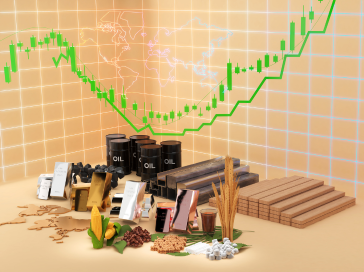
Trading commodity contracts in Saudi Arabia allows investors to trade on the rise or fall of commodity prices without the need to physically own them.
It enables trading in both current and future prices of commodities, including (oil, gold, silver, and many other commodities).
Topic
General Steps
Trading commodity contracts can be done through various markets and financial instruments. Here are general steps for trading commodity contracts:
- Learning and Research:
- Understand the basics of the commodity market and the impact of economic and political factors on it.
- Study the assets you want to trade, whether it’s gold, silver, oil, or any other commodity.
- Choose a Financial Broker:
- Select a reliable and licensed financial broker that offers commodity contract trading services.
- Open a Trading Account:
- Open a trading account with the chosen broker, which may require providing personal information and verifying your identity.
- Analysis and Decision-Making:
- Use market analysis to understand price trends and make decisions based on technical and fundamental analysis.
- Place Orders:
- Based on your analysis, place trading orders, whether they are immediate market orders or pending orders.
- Monitor and Risk Management:
- Track the execution of your orders and regularly monitor your trading account.
- Use risk management carefully, including setting stop-loss and take-profit orders to minimize risks.
- Learn from Experiences:
- Learn from your trading experiences and market movements. Continuously improve your strategies over time.
It’s important to note that trading commodity contracts involves high financial risks, and having a complete understanding of the market is crucial.
If you are unsure how to start, seeking financial advice from a professional can be helpful.
Opportunities
Trading commodity contracts offers various opportunities for investors, influenced by factors such as technical and fundamental analysis, as well as global economic events. Here are some potential opportunities:
- Price Fluctuations:
- Price fluctuations in commodities can be a source of profit, allowing investors to capitalize on price changes.
- Impact of Global Events:
- Global events, such as geopolitical crises, natural disasters, and economic events, can significantly impact commodity prices, creating trading opportunities.
- Portfolio Diversification:
- Trading commodity contracts provides a means to diversify an investment portfolio effectively, offering different performance from stock and bond markets.
- Trading Futures Contracts:
- Trading futures contracts can have benefits, as investors can agree to buy or sell a specific commodity at a predetermined price in the future.
- Profiting from Price Movements:
- Investors can profit from both rising and falling commodity prices, either through buying (going long) or selling (going short).
- Currency-Commodity Trading:
- Currency contracts related to commodities, like the Australian Dollar/Canadian Dollar, provide additional trading opportunities.
It’s crucial to be aware of the risks associated with trading commodity contracts and have an effective strategy for risk management.
Continuous research and learning are recommended before engaging in commodity trading, and consulting with a financial advisor can be beneficial.
Challenges
Trading commodities involves several challenges that investors should be aware of. Here are common challenges in commodity trading:
- Price Volatility:
- Commodity markets are known for significant price volatility, which can lead to substantial losses if risks are not managed carefully.
- Geopolitical and Global Events:
- Geopolitical events and global occurrences can have a significant impact on commodity prices, posing challenges in predicting changes and making informed decisions.
- Leverage:
- While leverage can amplify profits, it also increases the risk of losses, and managing leverage effectively is crucial.
- Weather and Climate Impact:
- Agricultural commodities are heavily influenced by weather conditions. Adverse weather can negatively impact production and lead to price increases.
- Technological Costs and Market Access:
- Trading commodities electronically depends on access to trading platforms and technological tools, which may involve associated costs.
- Changes in Supply and Demand:
- Changes in consumption and production patterns can affect commodity prices. For example, fluctuations in oil demand and supply can impact prices.
It’s emphasized that trading commodities requires a good understanding of these challenges and an effective risk management strategy.
Striking a balance between potential gains and risks is a crucial part of successful commodity trading.
Trading commodity contracts in Saudi Arabia